How to Say Maybe in Spanish | Uncertainty Expressions
As of 2026, expressing uncertainty in Spanish can be challenging for English speakers. You might wonder how to say "maybe" in Spanish. The word for "maybe" in Spanish is "quizás" (IPA: /ki.ˈθas/). It's a versatile term used across various contexts to express doubt or uncertainty.
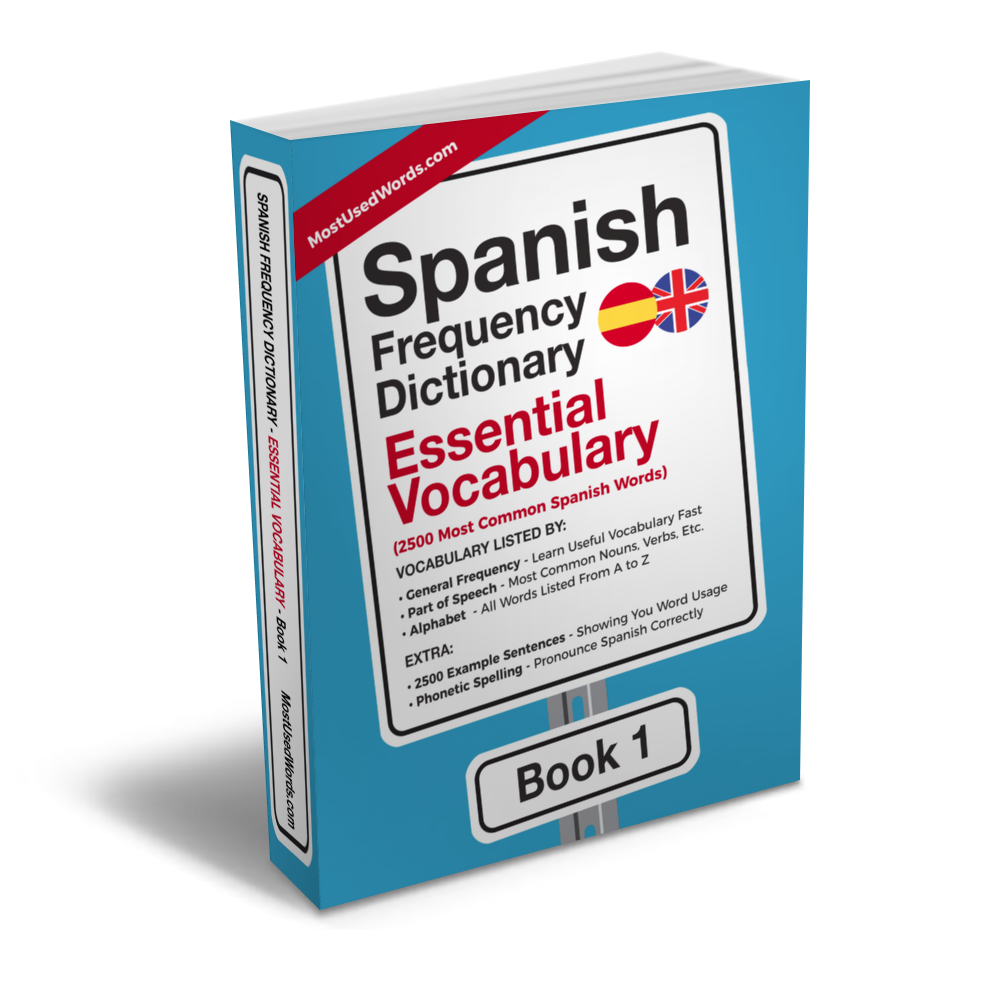
2,500 most common Spanish words with IPA pronunciation & bilingual example sentences
Meaning and Usage of "Quizás" and "Tal Vez"
Quizás is commonly used in Spanish to convey doubt or uncertainty. It can be translated into English as "maybe," "perhaps," or "possibly." This word indicates that something is not certain but may happen, offering a more polite way of saying "no" in some situations.
In addition to quizás, another common alternative phrase for expressing uncertainty is "tal vez" (IPA: /tal ˈβes/). Both terms are widely used and have identical meanings. Understanding the nuances between these expressions can help you communicate more effectively in different social contexts.
Pronunciation Tips for Non-Native Speakers
Want to improve your Spanish?
The Spanish Frequency Dictionary series covers the 10,000 most common Spanish words — ranked by how often native speakers actually use them, with IPA pronunciation, English translations, and bilingual example sentences at every level.
Browse all 4 volumes →For non-native speakers, pronouncing quizás and tal vez correctly is crucial to being understood. The stress falls on the second syllable of both words: "ki-THAS" and "TAL-bes."
Expressions for Certainty in Spanish
In addition to learning how to express uncertainty, it's also important to know how to convey certainty in Spanish. For example, you can use phrases like "seguro que" (certainly) or "sin duda" (without a doubt).
Regional Differences and Cultural Context
In Spanish-speaking countries, there are regional variations in how people express uncertainty. While quizás is widely used across the Spanish-speaking world, some Latin American countries prefer using tal vez. Both terms have identical meanings and are equally common.
The cultural significance of these expressions varies depending on social contexts. For instance, "quizás" might be more prevalent in formal settings or among older generations, while "tal vez" could be favored in informal conversations or by younger people. Understanding the nuances can help you communicate effectively across different situations and regions.
How to Say Maybe in Spanish: Sample Sentences
To better understand how to use these expressions, here are five sample sentences:
- Quizás llegue tarde a la reunión. (Maybe I'll arrive late to the meeting.)
- Tal vez vaya al cine mañana. (Maybe I'll go to the movies tomorrow.)
- Quizás llueva esta tarde. (Maybe it will rain this afternoon.)
- Tal vez no pueda ir a la fiesta. (Maybe I won't be able to go to the party.)
- Quizás podamos ir al parque después del almuerzo. (Maybe we can go to the park after lunch.)
Build Your Spanish Vocabulary Systematically
The fastest way to grow your Spanish vocabulary is to start with the words you'll actually encounter every day. The Spanish Frequency Dictionary covers the 2,500 most common Spanish words, each with IPA pronunciation, an English translation, and bilingual example sentences.
Browse the full range of Spanish frequency dictionaries to find the volume that matches your level.