How to Say March in Spanish | Pronunciation and Usage
Updated for 2026, the word for March in Spanish is "marzo" (IPA: /ˈmaɾ.θo/).
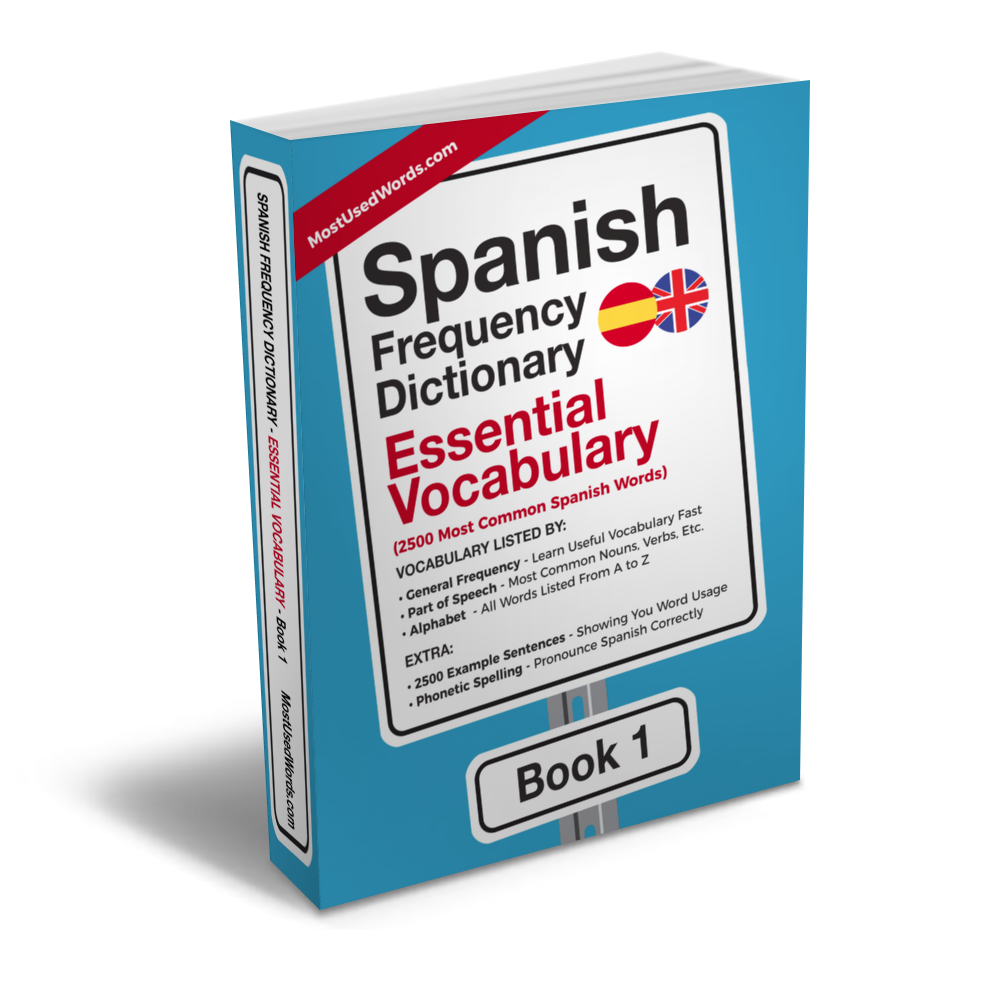
2,500 most common Spanish words with IPA pronunciation & bilingual example sentences
Pronunciation Guide
Want to improve your Spanish?
The Spanish Frequency Dictionary series covers the 10,000 most common Spanish words — ranked by how often native speakers actually use them, with IPA pronunciation, English translations, and bilingual example sentences at every level.
Browse all 4 volumes →To help non-native speakers, here's a pronunciation guide for "marzo": /ˈmaɾ.θo/. The first syllable is pronounced with an 'a' similar to the English word "car," followed by a rolled 'r', and ending with an 'o' like in "more."
Historical Context of March in Spanish-Speaking Cultures
The term "marzo" originates from Latin, where it was known as "Martius," named after Mars, the Roman god of war. This connection to Mars explains why some Spanish-speaking regions use terms related to Mars or Martians when referring to March.
Comparison with Other Months' Names and Pronunciations
In Spanish, each month has a unique name and pronunciation. For example, "abril" (April) is pronounced as /aˈβɾil/, while "mayo" (May) sounds like /ˈmaʝo/. Understanding these differences can help you distinguish between similar-sounding months.
Cultural Significance in Different Spanish-Speaking Countries
In Spanish-speaking countries, March is a month filled with significant cultural and historical events. For instance, Father's Day (Día del Padre) is celebrated on March 19th in Spain and many Latin American nations. Additionally, Mexico marks the beginning of Spring on March 21st, celebrating this transition with various festivities.
Common Phrases Related to Spring Activities
Spring activities such as planting flowers or enjoying outdoor sports are common during March. Here are some phrases you might use:
- Vamos a plantar flores en marzo.
- Marzo es un buen mes para jugar al fútbol al aire libre.
Translating "March" to Spanish: Alternative Terms and Pronunciations
In addition to "marzo," some regions use alternative terms like "marciano" (IPA: /marˈsjano/), which translates to "Martian." This term reflects the month's association with Mars, a planet often linked to March due to its name.
Regional Differences in Pronunciation
In certain parts of Spain and Latin America, "marzo" is pronounced with a 'th' sound instead of a rolled 'r'. For example, in Castilian Spanish regions where the letter 's' sounds like 'th', you might hear "marcho." In contrast, in most other areas, it retains its traditional pronunciation.
Usage in Formal and Informal Contexts
"Marzo" is used universally across both formal and informal contexts. Whether writing a business letter or chatting with friends, this term remains consistent.
How to Say "March" in Spanish: Sample Sentences
Here are five sample sentences using "marzo" in various tenses and contexts:
- Este año, mi cumpleaños es el 23 de marzo.
- (This year, my birthday is on March 23rd.)
- La primavera comienza en marzo en el hemisferio norte.
- (Spring begins in March in the northern hemisphere.)
- Vamos a celebrar la llegada de la primavera en marzo.
- (We are going to celebrate the arrival of spring in March.)
- Marzo es un mes muy especial para los agricultores.
- (March is a very special month for farmers.)
- Tengo una cita en marzo con mi abogado.
- (I have an appointment with my lawyer in March.)
Build Your Spanish Vocabulary Systematically
The fastest way to grow your Spanish vocabulary is to start with the words you'll actually encounter every day. The Spanish Frequency Dictionary covers the 2,500 most common Spanish words, each with IPA pronunciation, an English translation, and bilingual example sentences.
Browse the full range of Spanish frequency dictionaries to find the volume that matches your level.