How to Say Light in Spanish | MostUsedWords.com
Updated for 2026, knowing how-to-say-light-in-spanish is crucial for effective communication across the diverse linguistic landscape of Spanish-speaking countries.
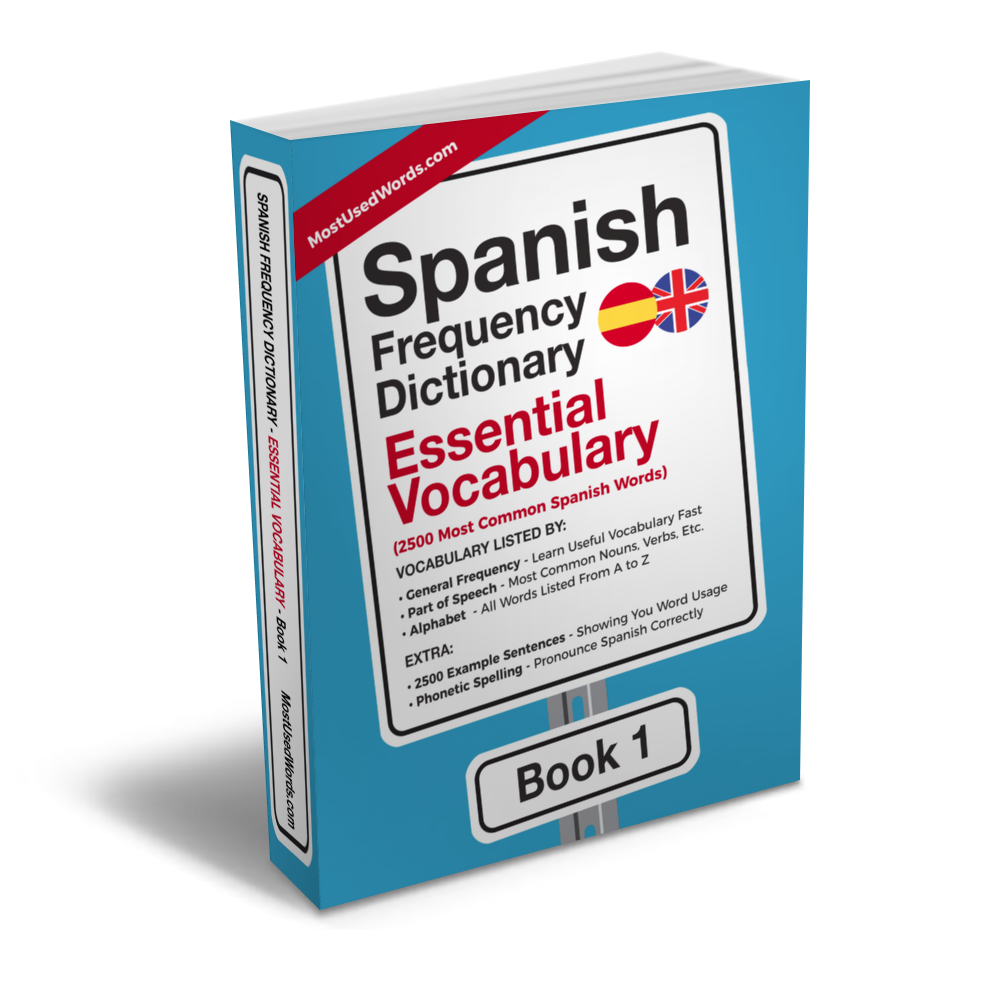
2,500 most common Spanish words with IPA pronunciation & bilingual example sentences
What is "Light" in Spanish?
In Spanish, the word for "light" is "Luz" (IPA: /luθ/). This feminine noun originates from the Latin term "lux," highlighting its universal significance across languages and cultures.
Cultural Significance of Light in Spanish-Speaking Countries
Want to improve your Spanish?
The Spanish Frequency Dictionary series covers the 10,000 most common Spanish words — ranked by how often native speakers actually use them, with IPA pronunciation, English translations, and bilingual example sentences at every level.
Browse all 4 volumes →In many Spanish-speaking countries, light symbolizes hope, clarity, and enlightenment. For instance, during festivals like Las Fallas in Valencia, Spain, light is celebrated through fireworks and bonfires, emphasizing its cultural importance beyond mere illumination.
Regional Differences and Pronunciation Guides for "Luz"
The standard term for light across Spanish-speaking regions is "Luz." However, variations exist. In Andalusia, Spain, people might use "Foco" to refer to a lightbulb or lamp. Meanwhile, in Mexico, "Lumbre" can denote fire or a light source.
In Argentina and other parts of South America, the term "Iluminación" is sometimes used to describe the brightness of a room or space. Understanding these regional nuances enhances your ability to communicate effectively in different Spanish-speaking contexts.
Pronunciation Guide for 'Luz'
The pronunciation of "luz" can vary slightly across regions but generally follows the standard IPA: /luθ/. Pay attention to the soft 'z' sound at the end, which is characteristic of Castilian Spanish. In Latin America, it may be pronounced more softly or even as a 's.'
Common Idioms and Expressions Using "Luz"
Spanish offers numerous idiomatic expressions involving "Luz," such as:
- Tener luz de razón: To have common sense or sound judgment.
- Echar luz sobre algo: To shed light on something, to clarify an issue.
- Quedarse sin luz: To lose power or electricity.
Sample Sentences Using "Luz"
To help you practice using "Luz" in context:
- Hoy hace mucho luz, sal y disfruta del sol. (Today is very sunny, go out and enjoy the sun.)
- No enciendas la luz, puedo leer con la luz de la luna. (Don't turn on the light, I can read by moonlight.)
- La Luz en el cuarto es muy tenue; necesitamos cambiarla. (The light in the room is very dim; we need to change it.)
- Tengo luz de razón para decir que debemos irnos ya. (I have common sense to say that we should leave now.)
- El pintor usó la Luz en su obra maestra para crear un efecto dramático. (The painter used light in his masterpiece to create a dramatic effect.)
Build Your Spanish Vocabulary Systematically
The fastest way to grow your Spanish vocabulary is to start with the words you'll actually encounter every day. The Spanish Frequency Dictionary covers the 2,500 most common Spanish words, each with IPA pronunciation, an English translation, and bilingual example sentences.
Browse the full range of Spanish frequency dictionaries to find the volume that matches your level.