How to Say Language in Spanish for Beginners | MostUsedWords
As of 2026, knowing how to say "language" in Spanish is crucial for anyone starting their journey into the language. The primary term used is "lengua," which can also be translated as "idioma" or "habla" depending on regional preferences and cultural context.
The word “lengua” (pronounced /leŋ.ɡwa/) is widely used in Spain to refer to the Spanish language, while “idioma” (pronounced "i.ˈðjo.ma") is more common in Latin American countries. In Puerto Rico, you might hear “habla” (/ˈabla/).
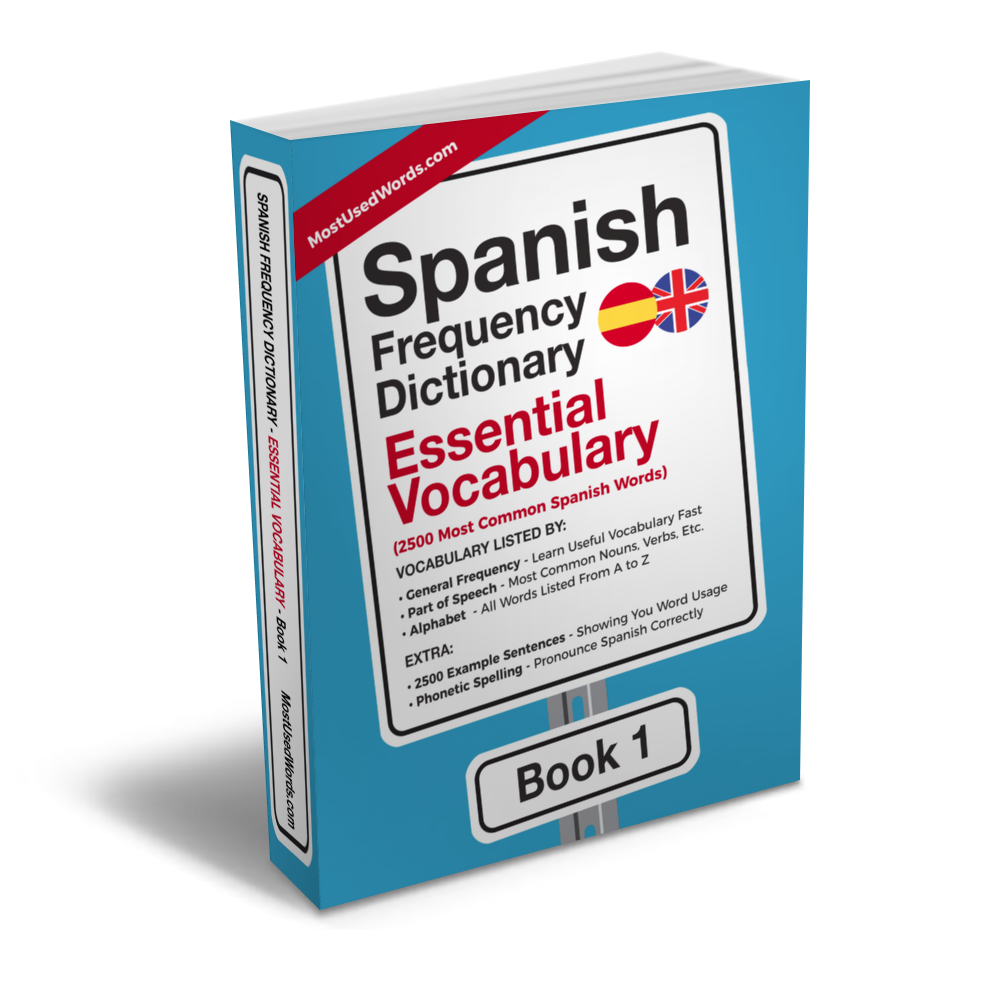
2,500 most common Spanish words with IPA pronunciation & bilingual example sentences
Understanding Regional Differences
When learning Spanish, it's important to understand the regional differences and cultural nuances that come with each term. For example:
- Spain: The word "lengua" is commonly used.
- Latin America: "Idioma" is more prevalent in this region.
- Puerto Rico: In Puerto Rico, “habla” is the preferred term for language.
Sample Sentences Using 'Lengua', 'Idioma', and 'Habla'
Want to improve your Spanish?
The Spanish Frequency Dictionary series covers the 10,000 most common Spanish words — ranked by how often native speakers actually use them, with IPA pronunciation, English translations, and bilingual example sentences at every level.
Browse all 4 volumes →To help you master these terms, here are some sample sentences:
- El español es una lengua hermosa. (Spanish is a beautiful language.)
- Hablo varios idiomas. (I speak several languages.)
- Tengo dificultad con la habla en Puerto Rico. (I have difficulty with the language in Puerto Rico.)
Importance of Understanding Regional Language Terms
When traveling or communicating with Spanish speakers, understanding regional terms like "lengua," "idioma," and "habla" can greatly enhance your ability to communicate effectively. This knowledge not only helps you navigate different dialects but also shows respect for the cultural diversity within the Spanish-speaking world.
Language Learning Tips
To improve your language skills, consider these tips:
- Practice with native speakers: Engage in conversations to enhance fluency and comprehension.
- Read books and articles: Expand your vocabulary by reading materials written for Spanish speakers.
- Use frequency dictionaries: Focusing on the most common words will accelerate your learning process.
How to Say Language in Spanish: Sample Sentences Continued
Here are additional sentences using "lengua," "idioma," and "habla" to further illustrate their usage:
- Necesito aprender un nuevo idioma. (I need to learn a new language.)
- La lengua española es muy rica en vocabulario. (The Spanish language is very rich in vocabulary.)
- No entiendo la habla de los puertorriqueños. (I don't understand the speech of Puerto Ricans.)
Build Your Spanish Vocabulary Systematically
The fastest way to grow your Spanish vocabulary is to start with the words you'll actually encounter every day. The Spanish Frequency Dictionary covers the 2,500 most common Spanish words, each with IPA pronunciation, an English translation, and bilingual example sentences.
Browse the full range of Spanish frequency dictionaries to find the volume that matches your level.