How to Say Jokeful in Spanish | MostUsedWords.com
As of 2026, the term "jokeful" can be translated into Spanish using several words that convey a humorous or playful nature. This article will provide you with an in-depth look at how to express this concept accurately and naturally in various contexts.
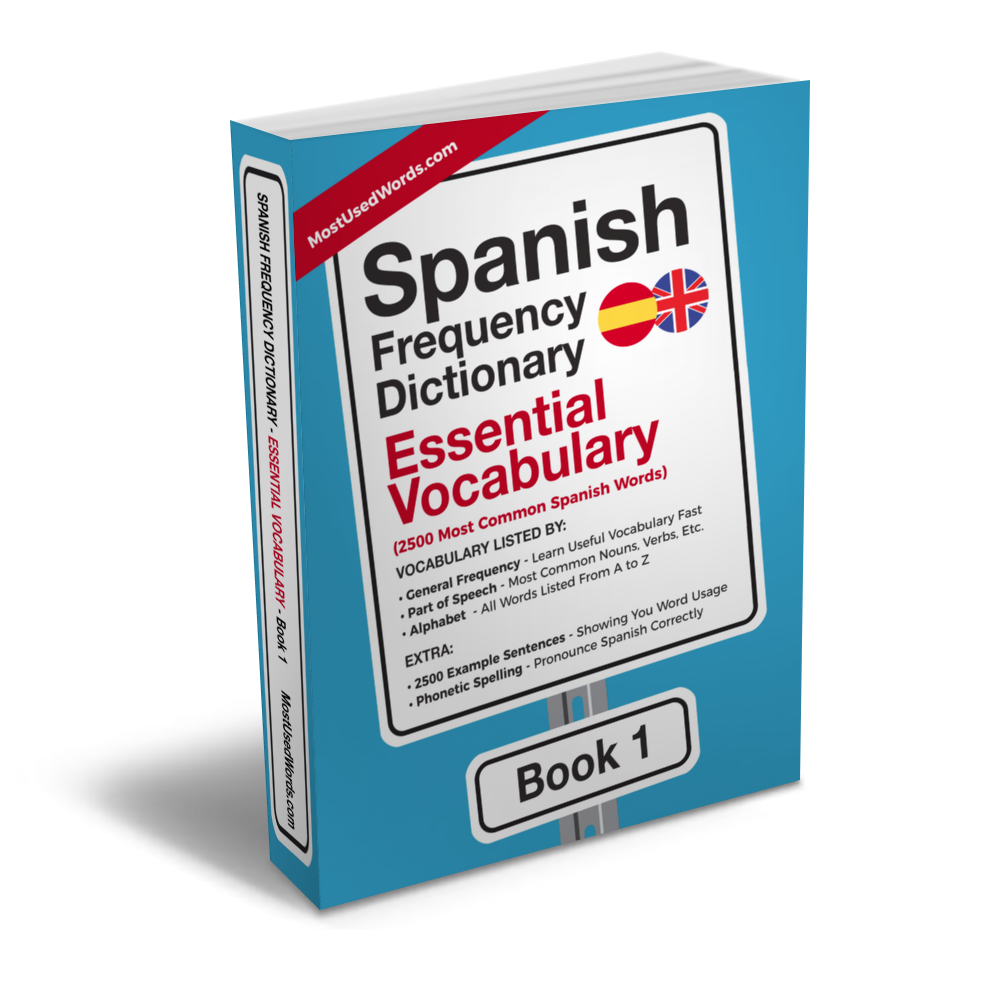
2,500 most common Spanish words with IPA pronunciation & bilingual example sentences
What is "Jokeful" in Spanish?
The adjective "jokeful" describes someone or something characterized by humor, wit, and playfulness. In Spanish, you can use several words to convey this meaning:
- Jocoso (IPA: /xoˈkoso/): This term means playful or humorous and is widely used in Spain and Latin America.
- Gracioso (IPA: /ɡɾaˈθjoso/): Similar to "jocoso," this word translates to funny, amusing, or witty. It's commonly understood across Spanish-speaking regions.
- Bromista (IPA: /bɾoˈmista/): This term specifically refers to someone who enjoys making jokes and being playful.
Regional Differences in Vocabulary
Want to improve your Spanish?
The Spanish Frequency Dictionary series covers the 10,000 most common Spanish words — ranked by how often native speakers actually use them, with IPA pronunciation, English translations, and bilingual example sentences at every level.
Browse all 4 volumes →The Spanish language varies across different regions, with some words more commonly used in certain areas than others. For example:
- Jocoso: This term is widely recognized and used to describe a playful or humorous quality.
- Gracioso: Similar to "jocoso," this word can be used to describe someone who is amusing, entertaining, or humorous. It's widely utilized across Spanish-speaking regions.
- Bromista: This term is more specific and refers to someone who enjoys making jokes or being playful.
Usage Examples with Native Speakers
Here are some sample sentences that demonstrate the use of these terms:
- Mi amigo es muy jocoso. Siempre me hace reír con sus ocurrencias.
My friend is very jokeful. He always makes me laugh with his wit.
- Durante la fiesta, hubo un ambiente muy jocoso y todos disfrutamos mucho.
During the party, there was a very playful atmosphere, and we all had a great time.
- El comediante hizo un chiste muy jocoso que hizo reír a todo el público.
The comedian made a very funny joke that made the whole audience laugh.
Cultural Context of Jokeful Expressions in Spanish-Speaking Countries
Understanding cultural nuances is crucial when using humor in different contexts. For instance, what might be considered a playful joke in one region could be seen as inappropriate or offensive elsewhere.

Build Your Spanish Vocabulary Systematically
The fastest way to grow your Spanish vocabulary is to start with the words you'll actually encounter every day. The Spanish Frequency Dictionary covers the 2,500 most common Spanish words, each with IPA pronunciation, an English translation, and bilingual example sentences.
Browse the full range of Spanish frequency dictionaries to find the volume that matches your level.