How to Say It Is in Spanish - Ser vs Estar Differences
As of 2026, learning a new language can be challenging, especially when it comes to mastering phrases like "it is" in Spanish. The phrase "it is" in Spanish is typically expressed as "es," derived from the verb "ser." However, another verb, "estar," also means "to be" and is often used interchangeably with "ser," depending on context.
Understanding 'Ser' vs. 'Estar'
The verbs "ser" (IPA: /ser/) and "estar" (IPA: /esˈtaɾ/) both translate to "to be" in English but are used differently based on the context:
- Ser: Used for permanent or inherent characteristics, such as nationality, profession, or identity.
- Estar: Used for temporary states or conditions, like location, emotional state, or physical condition.
For example, you would say Es de España (He/She is from Spain) but Está en la biblioteca (He/She is in the library).
Ser Usage Across Tenses
Want to improve your Spanish?
The Spanish Frequency Dictionary series covers the 10,000 most common Spanish words — ranked by how often native speakers actually use them, with IPA pronunciation, English translations, and bilingual example sentences at every level.
Browse all 4 volumes →The verb "ser" can be used across various tenses to describe permanent characteristics:
- Presente: Es un libro.
- Futuro: Será una gran oportunidad.
- Condicional: Sería interesante conocerlo.
Estar Common Mistakes and Corrections
A common mistake is using "es" instead of "está." For instance, saying Es lloviendo (It is raining) should actually be Está lloviendo. Another frequent error is forgetting to use the correct form for temporary conditions:
- Mistake: Es cansado.
- Correction: Está cansado.
Pronunciation Tips for Non-Native Speakers
For non-native speakers, mastering the pronunciation of "ser" and "estar" can be challenging. Here are some tips:
- "Ser" is pronounced with a soft 's' sound at the beginning.
- "Estar" has an emphasis on the second syllable: es-TAR.
Regional Differences and Slang Usage
In some Latin American countries, particularly in Central America and the Caribbean, the word "ta" (IPA: /ta/), a slang form of "está," is commonly used. For example, instead of saying Está bien (It's okay), people might say Ta bien.
Common Phrases Using 'Es' and 'Está'
Here are some common phrases that use "es" and "está":
- Es importante estudiar.
- No es fácil aprender español.
(It is important to study)
(It is not easy to learn Spanish)
How to Say "It Is Raining" in Spanish
To say "it is raining" in Spanish, you would use the verb "estar": Está lloviendo.
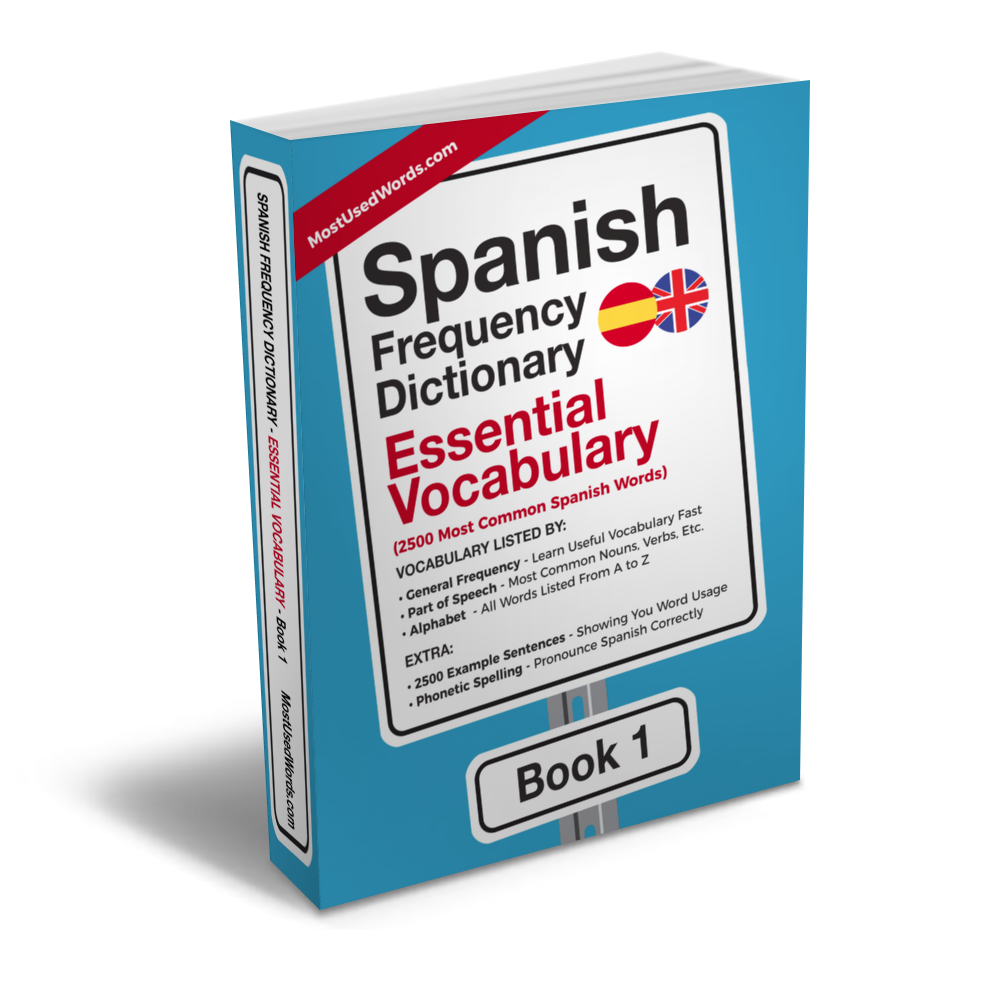
2,500 most common Spanish words with IPA pronunciation & bilingual example sentences
Build Your Spanish Vocabulary Systematically
The fastest way to grow your Spanish vocabulary is to start with the words you'll actually encounter every day. The Spanish Frequency Dictionary covers the 2,500 most common Spanish words, each with IPA pronunciation, an English translation, and bilingual example sentences.
Browse the full range of Spanish frequency dictionaries to find the volume that matches your level.