How to Say Intelligent in Spanish | MostUsedWords.com
As of 2026, knowing how to express intelligence is crucial when learning Spanish. The term "intelligent" can be translated into several words in Spanish, each carrying nuances that reflect different contexts and regions.
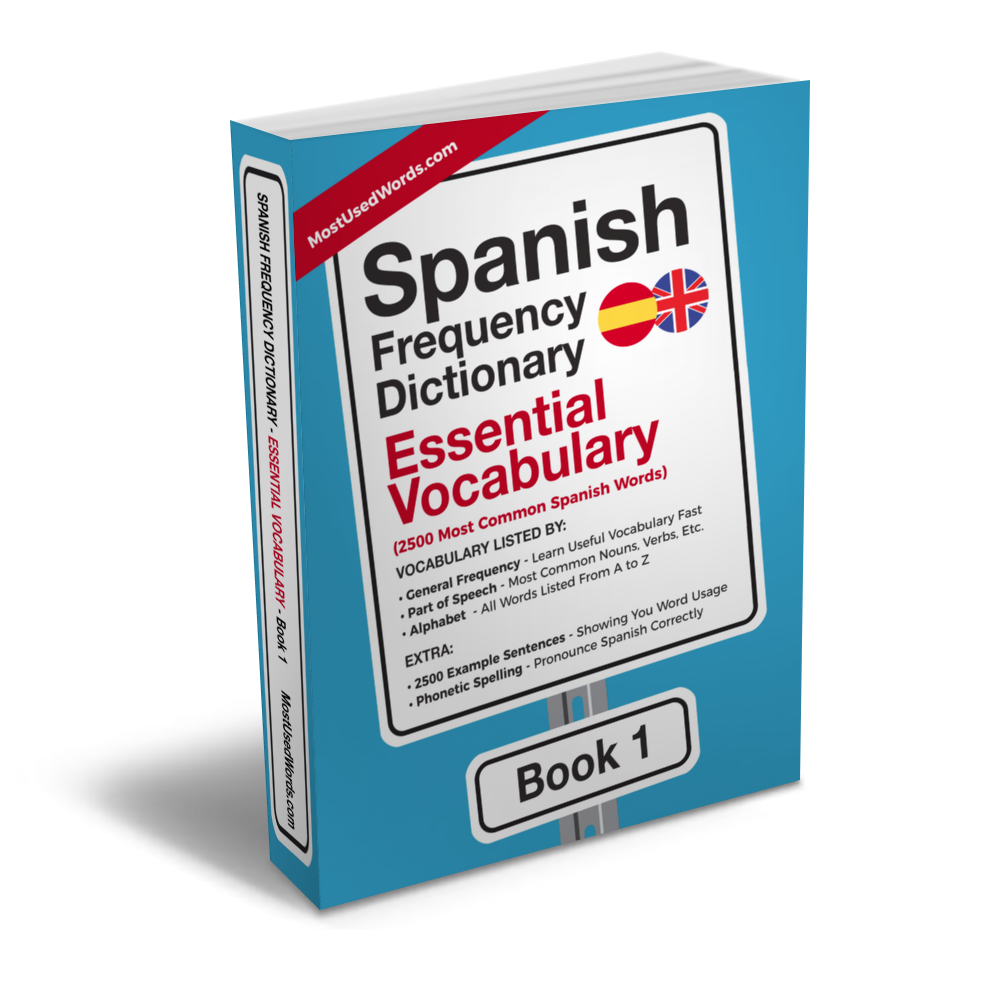
2,500 most common Spanish words with IPA pronunciation & bilingual example sentences
How to Say Intelligent in Spanish
The English word "intelligent" translates to various terms in Spanish, such as "inteligente", "sabio/a", and "ingenioso/a". Each of these words has its unique usage depending on the context or region. Here’s a closer look at each:
Inteligente (IPA: /in.te.liˈxen.te/)
Want to improve your Spanish?
The Spanish Frequency Dictionary series covers the 10,000 most common Spanish words — ranked by how often native speakers actually use them, with IPA pronunciation, English translations, and bilingual example sentences at every level.
Browse all 4 volumes →"Inteligente" is the most universally accepted term for "intelligent" in Spanish, used across Latin America and Spain. It describes someone who possesses high intellectual abilities or skills.
- Sample Sentences:
- Ella es muy inteligente. (She is very intelligent.)
- Tiene una mente muy inteligente. (He/She has a very intelligent mind.)
- Su hijo es un niño muy inteligente. (His/her child is a very intelligent kid.)
Sabio/a (IPA: /ˈsa.bjo(a)/)
"Sabio" translates to "wise", but it can also denote intelligence, especially in Spain.
- Sample Sentences:
- Él es un sabio en la materia. (He is a wise man on the subject.)
- Ella es una mujer muy sabia. (She is a very wise woman.)
Ingenioso/a (IPA: /in.xeˈnjoso(a)/)
"Ingenioso" means "clever" or "ingenious", and it's often used to describe someone who is intelligent, particularly in Latin America.
- Sample Sentences:
- Los niños son muy ingeniosos. (The kids are very clever.)
- Ella es una persona muy ingeniosa. (She is a very ingenious person.)
Regional Differences and Usage of 'Intelligent' in Spanish
The choice between "inteligente", "sabio/a", or "ingenioso/a" can vary based on the region:
- "Sabio" is more commonly used in Spain.
- "Ingenioso" is frequently used in Latin America.
- "Inteligente" remains a safe and widely accepted choice across all Spanish-speaking regions.
How to Say Smart or Clever in Spanish: Additional Translations
In addition to "inteligente", you can also use "listo" (smart) or "astuto" (clever), depending on the context:
- Listo (IPA: /ˈlis.to/): This term is often used for someone who is quick-witted.
- Astuto (IPA: /asˈtu.t̪o/): This word can imply cleverness or shrewdness, depending on the context.
Build Your Spanish Vocabulary Systematically
The fastest way to grow your Spanish vocabulary is to start with the words you'll actually encounter every day. The Spanish Frequency Dictionary covers the 2,500 most common Spanish words, each with IPA pronunciation, an English translation, and bilingual example sentences.
Browse the full range of Spanish frequency dictionaries to find the volume that matches your level.