How to Say Insult in Spanish | MostUsedWords.com
As of 2026, understanding how to convey an "insult" in Spanish is crucial for anyone looking to master the nuances of the language. In this article, we will explore the term insulto and its usage across different contexts.

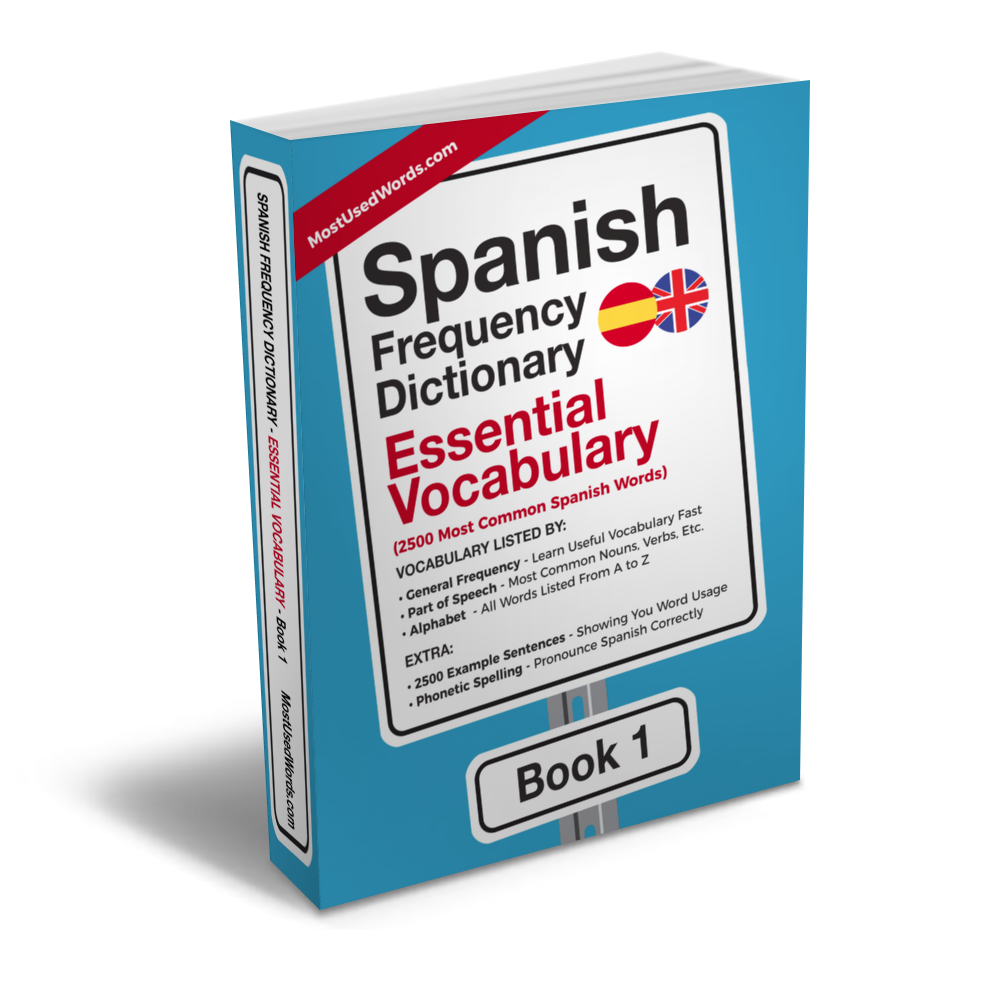
2,500 most common Spanish words with IPA pronunciation & bilingual example sentences
What is "Insult" in Spanish?
The English noun "insult" translates to insulto (/inˈsul.to/) in Spanish, which captures the essence of offense or disrespect towards someone through words or actions. This term can also refer to hurtful comments or gestures that undermine an individual's dignity.
Usage and Examples of "Insulto" in Different Contexts
Want to improve your Spanish?
The Spanish Frequency Dictionary series covers the 10,000 most common Spanish words — ranked by how often native speakers actually use them, with IPA pronunciation, English translations, and bilingual example sentences at every level.
Browse all 4 volumes →Insulto is a versatile term used across various contexts. Here are some examples:
- Ese comentario fue un insulto directo hacia mi persona.
- No me gusta que me hagan el insulto de tratarme como si fuera estúpido.
Synonyms of "Insult" in Spanish with Examples
Here are some synonyms of insulto along with their meanings and examples:
- Afrenta (/əˈfɾenta/): An offensive or disrespectful action or remark that causes harm to one's dignity or reputation. Example: La afrenta que me hicieron en la reunión fue inaceptable.
- Ultraje (/ulˈtɾaxe/): An act that deeply offends or insults someone’s feelings or sensibilities, often involving a violation of moral or social standards. Example: El ultraje que cometió en público fue una falta grave.
- Agravio (/aˈɣɾaβjo/): A deliberate insult or offense that is intended to demean or belittle someone's honor or self-esteem. Example: No permitiré que me hagan agravios sin respuesta.
- Desprecio (/desˈpɾesjo/): A strong feeling of contempt or disdain towards someone, often demonstrated through disrespectful behavior or speech. Example: Su desprecio hacia mí es evidente en cada palabra que dice.
- Injuria (/inˈxuɾja/): A hurtful or offensive action, speech, or behavior that causes damage to someone's reputation, feelings, or rights. Example: La injuria que cometió fue tan grave que tuvo que disculparse públicamente.
- Difamación (/difamaˈθjon/): The act of making false statements or spreading damaging information about someone with the intent to harm their reputation. Example: La difamación de mi nombre ha causado mucho daño a mi carrera.
- Calumnia (/kaˈlumnia/): The spreading of false statements about someone to damage their reputation; a malicious and often deliberate act of defamation. Example: La calumnia que se ha esparcido sobre mí no tiene fundamento.
Regional Variations for "Insulto" in Spanish
Different regions have their own unique ways of expressing an insult. Here are a few regional variations:
- In Mexico, you might hear chamaco or chinga tu madre.
- In Spain, terms like cabrón and gilipollas are commonly used.
- In Argentina, you might encounter boludo or pibe.
Build Your Spanish Vocabulary Systematically
The fastest way to grow your Spanish vocabulary is to start with the words you'll actually encounter every day. The Spanish Frequency Dictionary covers the 2,500 most common Spanish words, each with IPA pronunciation, an English translation, and bilingual example sentences.
Browse the full range of Spanish frequency dictionaries to find the volume that matches your level.