How to Say Hello Pretty Lady in Spanish | MostUsedWords.com
As of 2026, learning how to say "Hello, pretty lady" in Spanish is an elegant way to greet a woman respectfully. In this article, we explore the phrase "Hola, bonita dama," its cultural significance, regional variations, and alternative greetings.
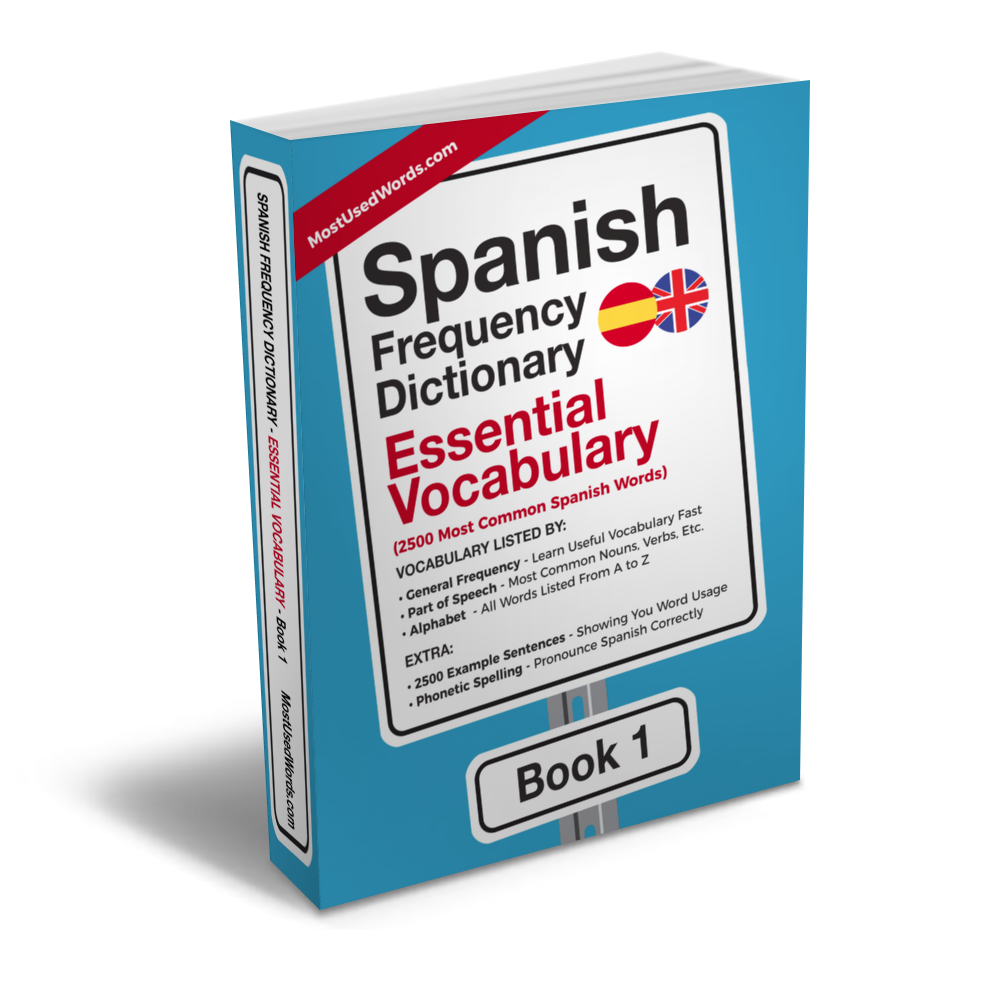
2,500 most common Spanish words with IPA pronunciation & bilingual example sentences
How to Say Hello Pretty Lady in Spanish
The phrase Hola, bonita dama (IPA: /ˈola boˈnita ˈðama/) is a respectful way to greet a woman in Spanish. It translates literally as "Hello, pretty lady," where "Hola" means hello, "bonita" means beautiful or pretty, and "dama" refers to a lady.
Cultural Context and Etiquette
Want to improve your Spanish?
The Spanish Frequency Dictionary series covers the 10,000 most common Spanish words — ranked by how often native speakers actually use them, with IPA pronunciation, English translations, and bilingual example sentences at every level.
Browse the full series →In Spanish-speaking cultures, addressing someone with "Hola, bonita dama" is not just about complimenting their appearance but also showing respect and admiration for their elegance or personality. However, it's crucial to understand the cultural nuances and context in which such a greeting would be appropriate.
Alternative Phrases for Different Occasions
While "Hola, bonita dama" is widely understood, there are regional variations and alternative phrases that might be more suitable depending on the occasion:
- Spain: In Spain, it's common to use "guapa" instead of "bonita." For example, you might hear "Hola, guapa" in casual settings.
- Latin America: In various Latin American countries, alternatives like "Hola, linda dama" or "Hola, bella dama" are often used. These phrases convey a similar sentiment but with slight variations in tone and context.
How to Greet a Woman in Spanish: Sample Sentences
To help you use "Hola, bonita dama" effectively, here are some sample sentences:
- Hola, bonita dama, ¿me permites acompañarte esta noche?
- Cuando vi a la chica en el parque, le dije: "Hola, bonita dama".
- ¿Has escuchado alguna vez la expresión "Hola, bella dama"? Es una hermosa forma de saludar en español.
- El caballero galante le susurró "Hola, hermosa dama" mientras le entregaba una rosa.
- En muchas culturas, es importante mostrar respeto al dirigirse a alguien con un saludo como "Hola, bonita dama".
- Hola, guapa (Hello, beautiful)
- ¡Qué guapa estás hoy! (You look so beautiful today!)
Hello, pretty lady, may I accompany you tonight?
When I saw the girl in the park, I said: "Hello, pretty lady."
Have you ever heard the expression "Hello, pretty lady"? It's a beautiful way to greet in Spanish.
The gallant gentleman whispered to her, "Hello, pretty lady," as he handed her a rose.
In many cultures, it's essential to show respect when addressing someone with a greeting like "Hello, pretty lady."
Spanish Compliments and Greetings
In addition to "Hola, bonita dama," there are numerous ways to compliment women in Spanish. For instance:
Frequently Asked Questions
Q: Is "Hola, bonita dama" appropriate in all Spanish-speaking countries?
A: While it is generally understood, regional variations and cultural contexts may affect its appropriateness. It's best to use alternatives like "guapa," "linda," or "bella" depending on the country.
Q: Can I use "Hola, bonita dama" in a formal setting?
A: While it is respectful and elegant, it's more commonly used in casual settings. For formal situations, consider using titles or surnames along with greetings.
Q: What are some other ways to greet women elegantly in Spanish?
A: You can use phrases like "Hola, hermosa" (Hello, beautiful) or "¡Qué linda eres!" (You're so lovely!) depending on the context and relationship.
Build Your Spanish Vocabulary Systematically
The fastest way to grow your Spanish vocabulary is to start with the words you'll actually encounter every day. The Spanish Frequency Dictionary covers the 2,500 most common Spanish words, each with IPA pronunciation, an English translation, and bilingual example sentences.
Browse the full range of Spanish frequency dictionaries to find the volume that matches your level.