How to Say Have a Good Day in Spanish | MostUsedWords.com
Updated for 2026, saying "que tengas un buen día" is the most common way to wish someone a good day in Spanish.
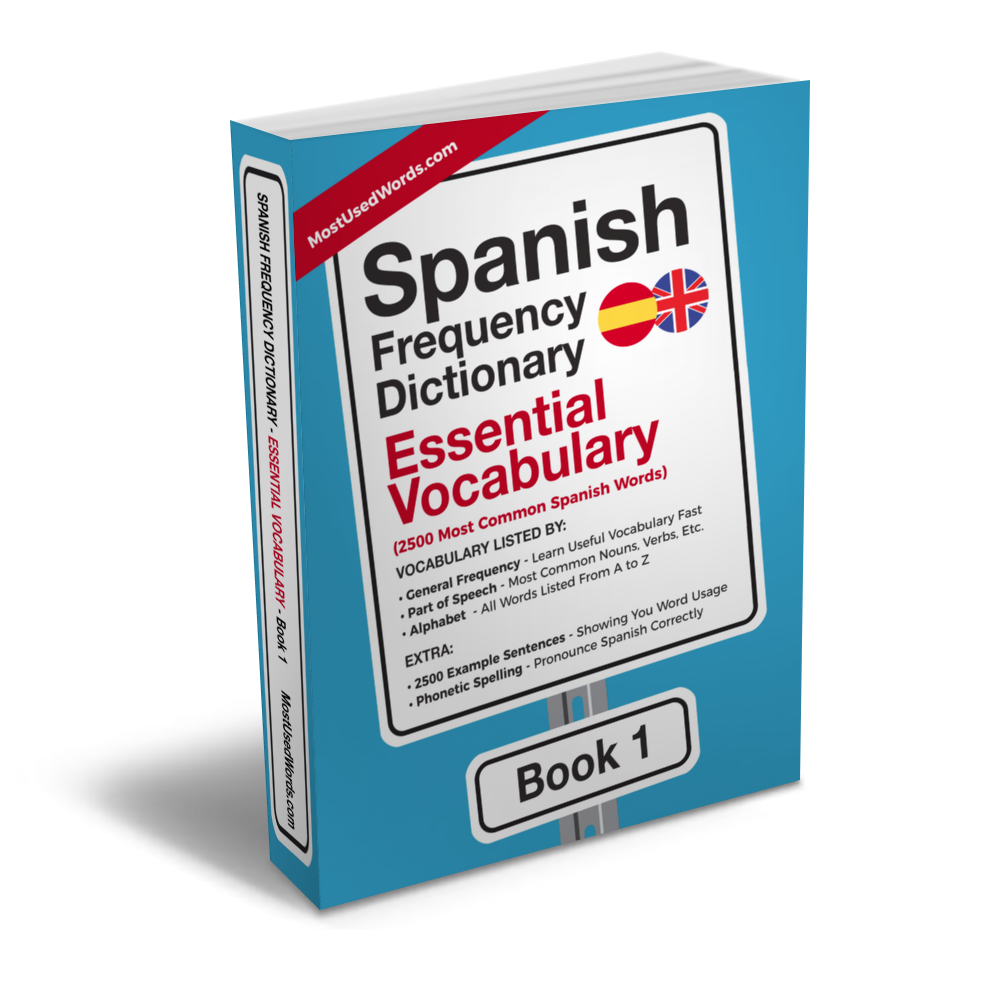
2,500 most common Spanish words with IPA pronunciation & bilingual example sentences
How to Say "Have a Good Day" in Spanish
The phrase "que tengas un buen día" (pronounced [kə teŋ'gas ũn bwen 'di.ɑ]) is widely used throughout the Spanish-speaking world, including Spain and Mexico. It's an essential greeting that can be used both formally and informally.
Variations of "Have a Good Day" in Spanish
Want to improve your Spanish?
The Spanish Frequency Dictionary series covers the 10,000 most common Spanish words — ranked by how often native speakers actually use them, with IPA pronunciation, English translations, and bilingual example sentences at every level.
Browse all 4 volumes →While "que tengas un buen día" is standard, there are several variations you might encounter:
- Buen día! (Good day!)
- Que pases un buen día! (Have a good day!)
- Que disfrutes tu día! (Enjoy your day!)
- Que tengas un gran día! (Have a great day!)
Cultural Context and Body Language in Spanish-Speaking Countries
In many Spanish-speaking countries, saying "que tengas un buen día" is often accompanied by a nod or smile. In Mexico, you might see people waving goodbye with a slight bow of the head.
Formal vs Informal Greetings in Spanish
The phrase "que tengas un buen día" can be used formally and informally depending on your relationship with the person. For formal settings, you might use "buenos días" (good morning) or "buenas tardes" (good afternoon).
Regional Variations in "Have a Good Day" Expressions
In different regions of Spanish-speaking countries, there are variations:
- Spain: "Que tengas un buen día por la mañana" (Have a good morning.) or "que tengas un buen día por la tarde" (Have a good afternoon.)
- Mexico: "Que tengas un buen día de trabajo" (Have a good day at work.) or "que tengas un buen día de descanso" (Have a good day off.)
Pronunciation Tips for "Have a Good Day" in Spanish
To pronounce "que tengas un buen día", stress the word "tengas". Practice with these variations:
- Buenos días!
- Que pases un buen día!
- Que disfrutes tu día!
- Que tengas un gran día!
Sample Sentences for "Have a Good Day" in Spanish
Here are some sample sentences:
- Hoy es un día hermoso. Que tengas un buen día.
- Buenos días, espero que tengas un gran día de trabajo.
- Que pases un buen día en la escuela.
Build Your Spanish Vocabulary Systematically
The fastest way to grow your Spanish vocabulary is to start with the words you'll actually encounter every day. The Spanish Frequency Dictionary covers the 2,500 most common Spanish words, each with IPA pronunciation, an English translation, and bilingual example sentences.
Browse the full range of Spanish frequency dictionaries to find the volume that matches your level.