How to Say Hardworking in Spanish | MostUsedWords.com
As of 2026, understanding cultural nuances is crucial when learning a new language like Spanish. The concept of being "hardworking" (trabajador) is universally valued but can be expressed differently across cultures and regions in Spanish-speaking countries.
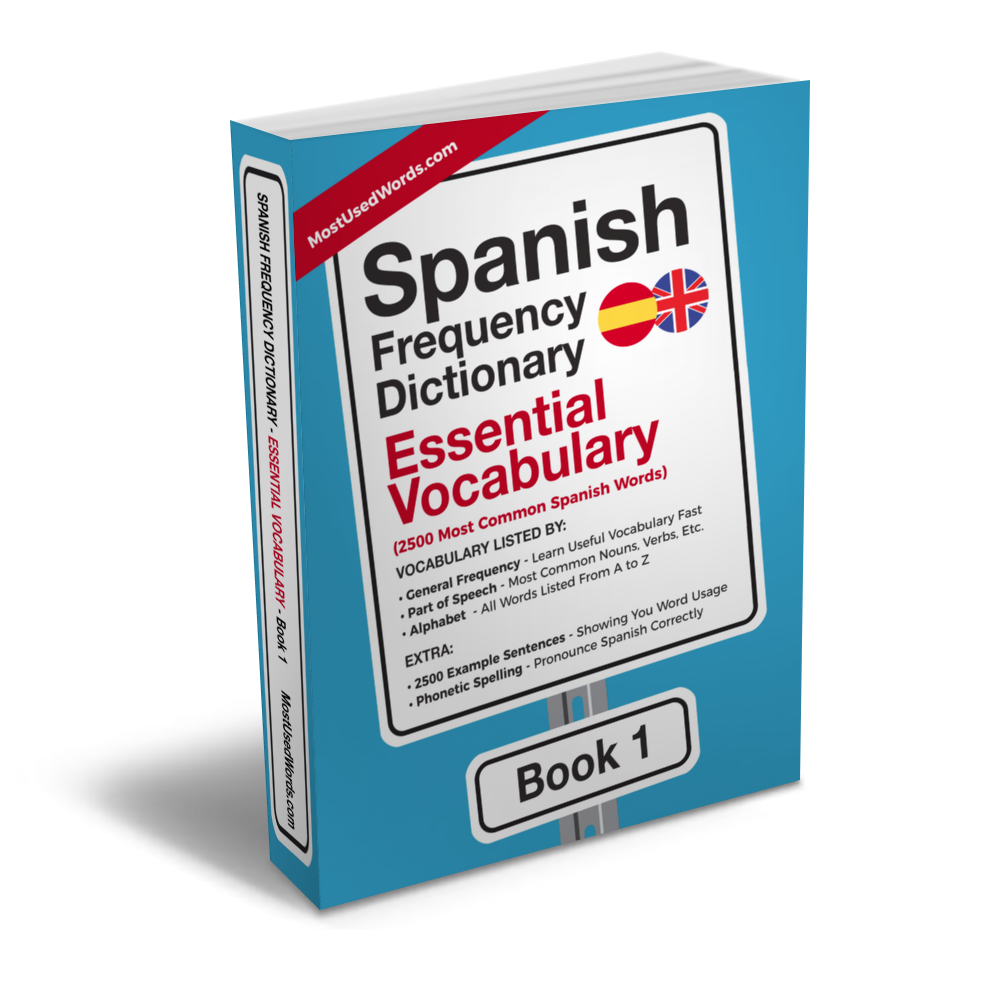
2,500 most common Spanish words with IPA pronunciation & bilingual example sentences
What Does "Hardworking" Mean in Spanish?
The term "hardworking" translates to "trabajador" in Spanish, which encompasses someone who dedicates significant effort and commitment to their work. This concept is deeply rooted in the cultural values of many Spanish-speaking nations, where diligence and perseverance are highly esteemed.
Synonyms for Hardworking in Spanish
Want to improve your Spanish?
The Spanish Frequency Dictionary series covers the 10,000 most common Spanish words — ranked by how often native speakers actually use them, with IPA pronunciation, English translations, and bilingual example sentences at every level.
Browse all 4 volumes →Beyond "trabajador," there are several other words that convey similar meanings:
- Trabajador (IPA: /tɾa.ba.xa.ˈðor/): This is the most common way to describe someone who works hard in general or specifically diligent in their job.
- Laborioso (IPA: /la.βo.ɾjo.ˈso/): Meaning industrious, this term often implies willingness to put in long hours or extra effort.
- Esforzado (IPA: /es.foɾ.ˈθa.ðo/): This adjective describes someone who is willing to make a great effort and achieve significant results.
- Aplicado (IPA: /a.pli.ˈka.ðo/): Meaning diligent, this term also refers to dedication in learning or work.
- Emprendedor (IPA: /em.pɾen.ðe.ˈðoɾ/): This term describes someone who is hardworking and entrepreneurial, innovative, and willing to take risks.
Antonyms for Hardworking in Spanish
To fully understand the concept of being "hardworking," it's also useful to know its opposites:
- Perezoso (IPA: /pe.ˈɾeso.so/): Lazy, indicating someone who avoids work or effort.
- Sin esfuerzo (IPA: /sin e.ˈfɾeɾ.zo/): Effortless, implying a lack of dedication or commitment to tasks.
Cultural Context of Hardworking Values in Spanish-Speaking Countries
The cultural context surrounding hardworking values varies across different regions within the Spanish-speaking world. For instance, in countries like Mexico and Spain, there is a strong emphasis on perseverance and dedication at work, reflecting historical traditions such as agriculture and craftsmanship.
Regional Idiomatic Expressions for Hardworking
In addition to direct translations, regional idioms can provide colorful ways to express hardworking values:
- Tener las ganas de trabajar (IPA: /te.ˈner las ˈga.nas ðe tra.ba.ˈrar/): To have the desire to work.
- Dar lo mejor de uno mismo (IPA: /daɾ lo me.ˈʝor ðe u.ˈno ˈmis.mo/): To give one's best.
Build Your Spanish Vocabulary Systematically
The fastest way to grow your Spanish vocabulary is to start with the words you'll actually encounter every day. The Spanish Frequency Dictionary covers the 2,500 most common Spanish words, each with IPA pronunciation, an English translation, and bilingual example sentences.
Browse the full range of Spanish frequency dictionaries to find the volume that matches your level.