How to Say Girl in Spanish | Pronunciation and Usage Guide
As of 2026, the word for "girl" in Spanish is most commonly "chica," pronounced /ˈtʃika/. This article provides a comprehensive guide on how to say "girl" in Spanish, including pronunciation tips, cultural context, and regional variations.
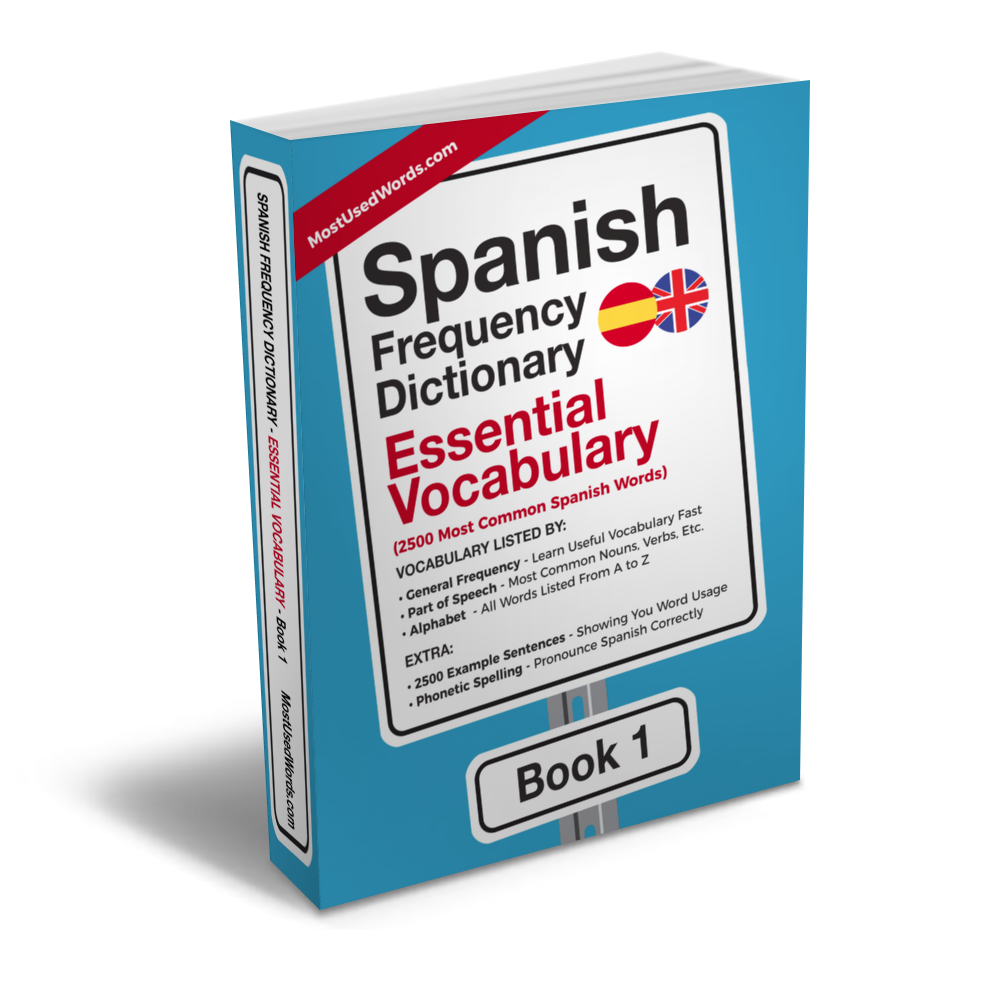
2,500 most common Spanish words with IPA pronunciation & bilingual example sentences
Pronunciation Guide
The primary term used for "girl" in Spanish is chica (IPA: /ˈtʃika/). Other terms include:
- Niña (IPA: /ˈniɲa/) — young female child aged 1-12 years old.
- Muchacha (IPA: /muˈtʃatʃa/) — young woman in her teenage years or early twenties, commonly used in Latin America.
- Joven (IPA: /xoˈβen/) — general term for a young person of any gender.
Meaning and Usage
Want to improve your Spanish?
The Spanish Frequency Dictionary series covers the 10,000 most common Spanish words — ranked by how often native speakers actually use them, with IPA pronunciation, English translations, and bilingual example sentences at every level.
Browse all 4 volumes →The word "chica" is widely used to refer to a female child or young woman. It can also be used informally to describe a female friend or acquaintance. In some regions, such as Argentina, the term mina (IPA: /ˈmina/) is commonly used instead.
Cultural Context and Media Usage
In Spanish media and everyday conversation, "chica" often carries connotations of youthfulness and charm. For instance, in popular songs or movies, the term might be used to describe a young female character with a certain allure or charisma.
Regional Differences in Usage
The usage of terms like "chica," "niña," and others varies across Spanish-speaking countries:
- Mexico: The word chava (IPA: /ˈtʃava/) is often used instead.
- Spain: In Spain, niña is frequently used and can also describe a female student.
- Argentina: Instead of "chica," the term mina (IPA: /ˈmina/) is commonly used.
Formal vs Informal Use
The terms for "girl" in Spanish can be used both formally and informally. For example, "muchacha" might be more formal or respectful when addressing a young woman in a professional setting, while "chica" is generally informal.
Sample Sentences with Context
To help you understand the usage of these terms better, here are some sample sentences:
- Esa chica tiene incomparable glamour.
(That girl has unparalleled glamour.)
- La chica de al lado es mi amiga.
(The girl next door is my friend.)
- Mi hermana pequeña es una niña muy dulce.
(My little sister is a very sweet girl.)
- La muchacha que trabaja en la tienda siempre es amable con los clientes.
(The young woman who works in the store is always friendly with customers.)
Build Your Spanish Vocabulary Systematically
The fastest way to grow your Spanish vocabulary is to start with the words you'll actually encounter every day. The Spanish Frequency Dictionary covers the 2,500 most common Spanish words, each with IPA pronunciation, an English translation, and bilingual example sentences.
Browse the full range of Spanish frequency dictionaries to find the volume that matches your level.