How to Say Germany in Spanish | Most Used Words
As of 2026, many English speakers learning Spanish wonder how to say "Germany" in Spanish. The answer is straightforward: it's "Alemania". This article delves into the history and cultural significance of this term across Hispanic regions.
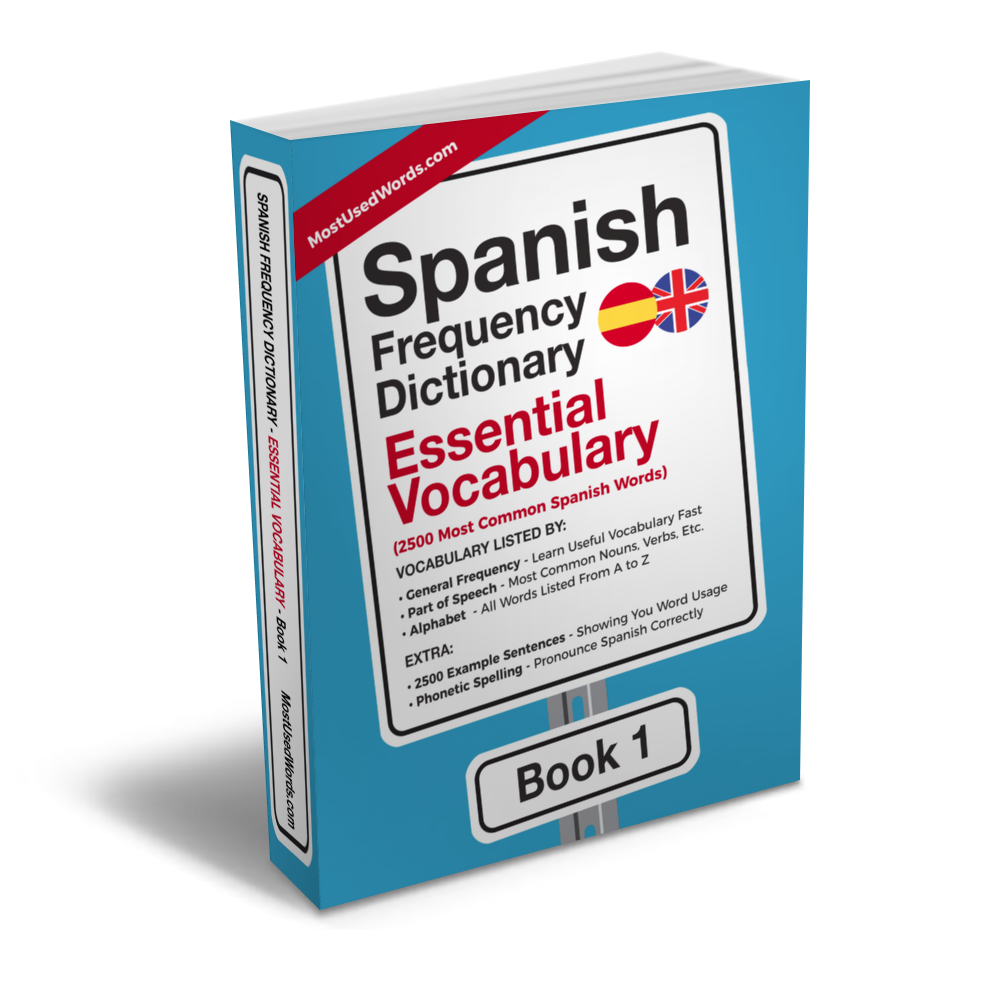
2,500 most common Spanish words with IPA pronunciation & bilingual example sentences
The Word for Germany in Spanish
Alemania, pronounced /aˈle.ma.nja/, is the direct translation of "Germany" in Spanish. The origin of the word traces back to Latin, where "Alemannia" referred to a Germanic tribe that inhabited the region during Roman times.
Etiology and Historical Context
Want to improve your Spanish?
The Spanish Frequency Dictionary series covers the 10,000 most common Spanish words — ranked by how often native speakers actually use them, with IPA pronunciation, English translations, and bilingual example sentences at every level.
Browse all 4 volumes →The term "Alemania" evolved from the Latin "Alemannia", which originally denoted the territory of the Alemanni, a Germanic tribe. Over time, this name transformed into what we now know as "Alemania". This evolution is rich with historical significance, reflecting centuries of cultural and linguistic development.
Regional Pronunciations and Variations
In different Spanish-speaking regions, the pronunciation of "Alemania" can vary. For instance, in Spain, the letter 'd' often has a softer sound compared to its harder counterpart in Latin American Spanish. This regional variation impacts how words like "Alemania" are articulated.
Cultural Perceptions and Historical Relations
The perception of Germany varies across Hispanic countries due to historical ties and cultural exchanges. In some regions, Alemania is associated with rich history and culture, while in others it may be linked more closely with technological advancements or economic influence.
Comparative Analysis: Other Languages
It's also worth noting how "Germany" translates into other languages like Italian ("Germania") and French ("Allemagne"). This comparative approach helps understand the linguistic diversity surrounding this term across Europe.
Common Phrases and Cultural References
Alemania is frequently mentioned in common phrases and idiomatic expressions. For example, "El equipo de fútbol de Alemania es muy bueno" (The German football team is very good) or "Quiero visitar Alemania en el futuro" (I want to visit Germany in the future). These examples highlight the cultural significance of Germany within Spanish-speaking communities.
Conclusion
Learning how to say "Germany" in Spanish not only enhances your vocabulary but also provides insight into historical and cultural contexts. Whether you're planning a trip or simply curious, understanding the etymology and regional nuances of "Alemania" enriches your linguistic journey.
Build Your Spanish Vocabulary Systematically
The fastest way to grow your Spanish vocabulary is to start with the words you'll actually encounter every day. The Spanish Frequency Dictionary covers the 2,500 most common Spanish words, each with IPA pronunciation, an English translation, and bilingual example sentences.
Browse the full range of Spanish frequency dictionaries to find the volume that matches your level.