How to Say Fork in Spanish | MostUsedWords.com
As of 2026, the word for "fork" in Spanish is tenedor (IPA: /te.ne.ˈðoɾ/). This article delves into the translation and usage of this essential utensil across different Spanish-speaking countries.
In Spanish, the word for "fork" is tenedor (IPA: /te.ne.ˈðoɾ/), which refers to the eating utensil with two or more prongs. This term is widely used across the Spanish-speaking world but comes with regional variations and a rich history.
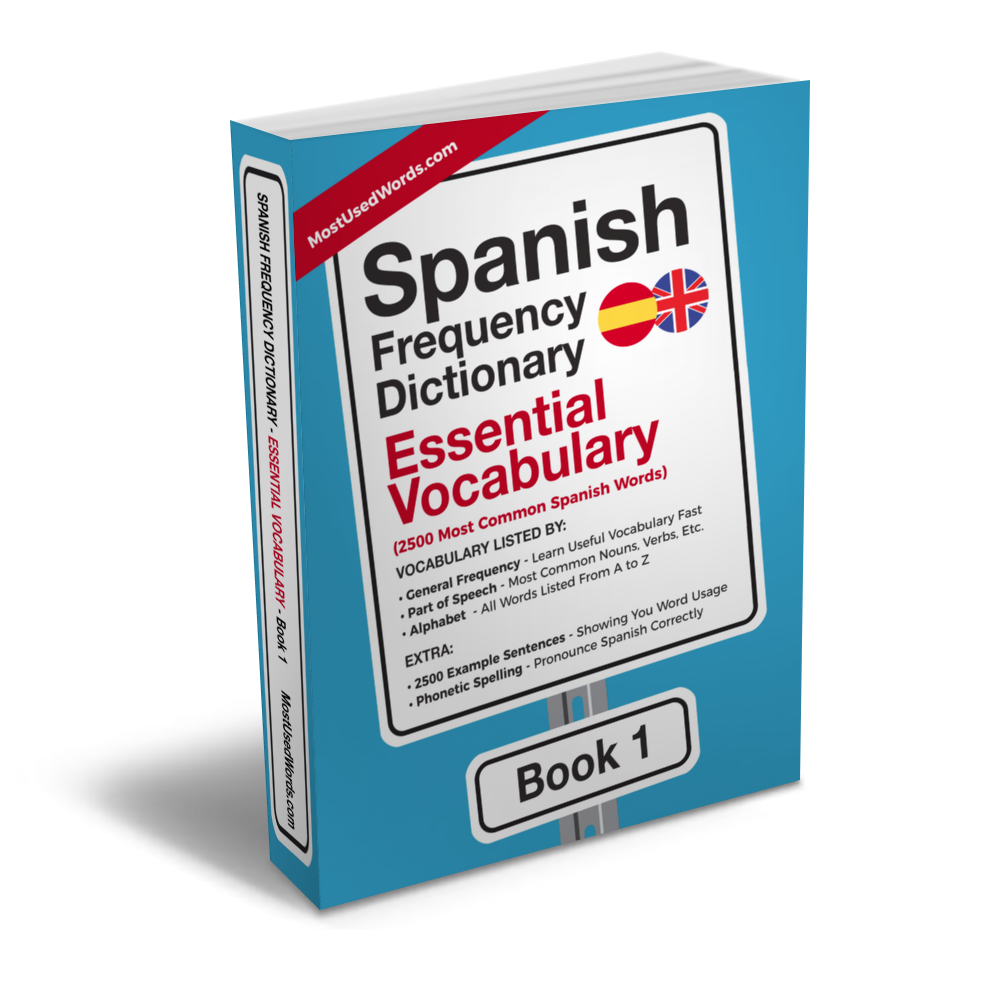
2,500 most common Spanish words with IPA pronunciation & bilingual example sentences
The Etymology of "Tenedor" in Spanish
The word tenedor has an interesting etymology rooted in Latin, where it derives from the verb tendere, meaning to stretch or extend. This reflects the nature of a fork's prongs extending outwards. The plural form is tenedores (IPA: /te.ne.ˈðo.ɾes/).
Cultural Context and Usage in Spanish-Speaking Countries
Want to improve your Spanish?
The Spanish Frequency Dictionary series covers the 10,000 most common Spanish words — ranked by how often native speakers actually use them, with IPA pronunciation, English translations, and bilingual example sentences at every level.
Browse the full series →The cultural context of using forks varies across different regions within the Spanish-speaking world, reflecting unique dining customs and traditions.
- Mexico: In central and southern Mexico, you might hear horquilla (IPA: /or.ˈki.ʎa/), which also means "fork."
- Argentina, Uruguay, and Paraguay: These countries use the term trinche (IPA: /ˈtɾin.tʃe/). Note that this word can also refer to a carving knife.
- Spain: In some regions of Spain, particularly in the Canary Islands, you may come across the term garfo (IPA: /ˈɡaɾ.fo/), though "tenedor" remains the most widely used term.
Pronunciation Guide for Regional Variations
The pronunciation of tenedor can vary slightly across regions:
- Mexico: Horquilla is pronounced as /or.ˈki.ʎa/.
- Argentina, Uruguay, and Paraguay: Trinche is pronounced as /ˈtɾin.tʃe/.
- Spain: Garfo is pronounced as /ˈɡaɾ.fo/.
Spanish Vocabulary for Utensils: Sample Sentences with "Fork"
To help you master the use of tenedor, here are five sample sentences:
- Por favor, ¿me pasas el tenedor?
(Please, can you pass me the fork?)
- Me gusta usar un tenedor de postre para disfrutar de los dulces.
(I like to use a dessert fork to enjoy desserts.)
- El tenedor trinchante es ideal para servir carnes asadas.
(The carving fork is ideal for serving roasted meats.)
- Siempre tengo un tenedor de mesa en mi bolsa para emergencias.
(I always carry a table fork in my bag for emergencies.)
- Los niños pequeños aprenden a usar el tenedor durante la etapa de destete.
(Young children learn to use the fork during the weaning stage.)

Frequently Asked Questions
What is the plural of "tenedor"?
The plural form of tenedor in Spanish is tenedores (IPA: /te.ne.ˈðo.ɾes/).
Is there a difference between "garfo" and "tenedor"?
In some regions, particularly the Canary Islands of Spain, garfo is used to refer to a fork, though it's less common than tenedor.
What does "trinche" mean in Spanish?
Trinche, primarily used in Argentina, Uruguay, and Paraguay, means "fork," but can also refer to a carving knife.
Build Your Spanish Vocabulary Systematically
The fastest way to grow your Spanish vocabulary is to start with the words you'll actually encounter every day. The Spanish Frequency Dictionary covers the 2,500 most common Spanish words, each with IPA pronunciation, an English translation, and bilingual example sentences.
Browse the full range of Spanish frequency dictionaries to find the volume that matches your level.