How to Say Forest in Spanish | MostUsedWords.com
Updated for 2026, knowing how to say "forest" in Spanish is crucial for nature enthusiasts and travelers exploring Spanish-speaking countries. The primary term used across most regions is bosque (IPA: /ˈbos.ke/), which refers to a dense area with many trees.
Forests hold significant cultural importance in Spanish-speaking nations, serving as natural habitats for diverse flora and fauna while also symbolizing tranquility and environmental preservation. Understanding regional variations such as selva and monte can enhance your appreciation of these areas during travel.
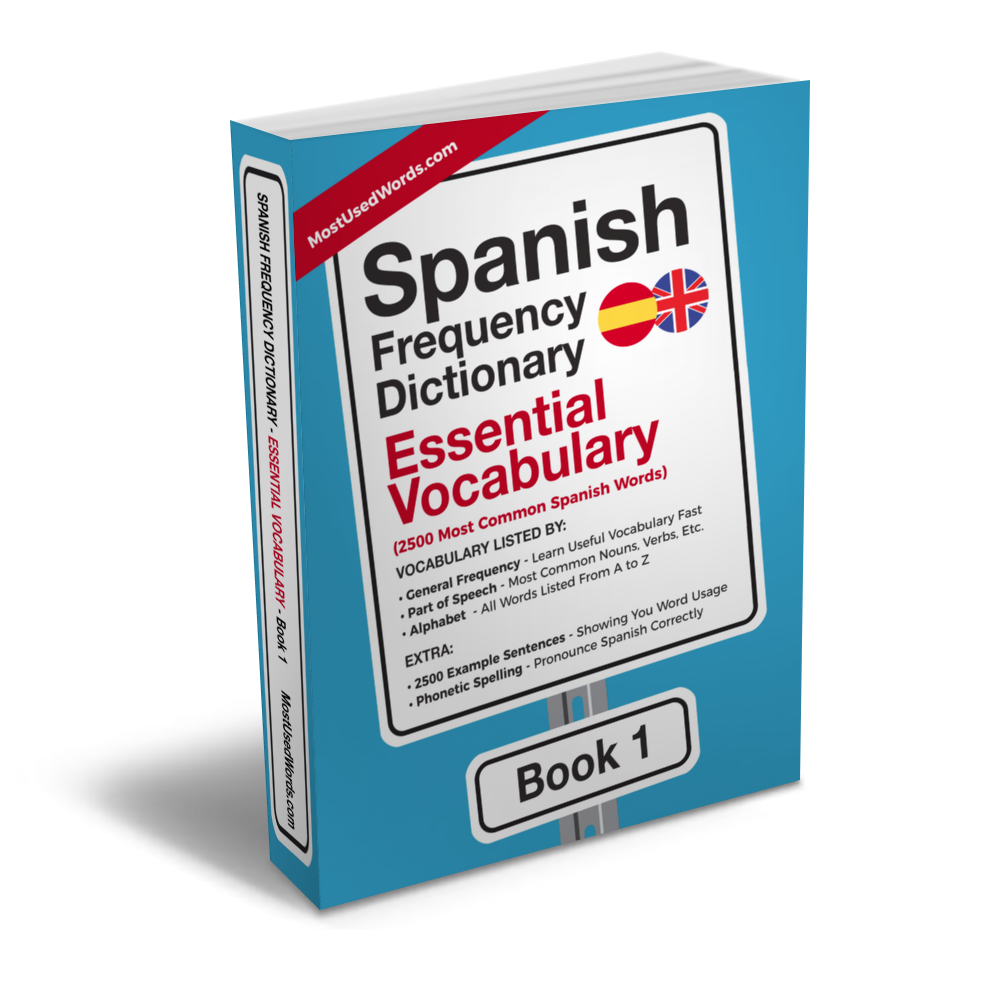
2,500 most common Spanish words with IPA pronunciation & bilingual example sentences
Vocabulary for Forests in Spanish
The term "bosque" is widely used to describe a forest, but it's important to recognize regional variations that reflect the unique characteristics of different landscapes. For instance:
- Selva (IPA: /ˈsel.va/): Used primarily in Latin American countries like Brazil and Peru, "selva" denotes dense tropical rainforests with rich biodiversity.
- Monte (IPA: /ˈmon.te/): Commonly used in Spain's northern regions, "monte" describes wooded areas or mountainous regions covered with trees.
- Arboleda (IPA: /ar.boˈle.ða/): In some Spanish-speaking regions, "arboleda" refers to a small forest or grove of trees often found in urban settings.
These regional variations highlight the diverse nature and cultural significance of forests across different parts of the Spanish-speaking world.
Nature Words in Spanish: Sample Sentences
Want to improve your Spanish?
The Spanish Frequency Dictionary series covers the 10,000 most common Spanish words — ranked by how often native speakers actually use them, with IPA pronunciation, English translations, and bilingual example sentences at every level.
Browse all 4 volumes →To help you integrate these terms into your vocabulary, here are some sample sentences:
- El bosque esconde numerosas especies de aves.
- La selva amazónica es famosa por su biodiversidad.
- Me encanta perderme en el monte y disfrutar de la naturaleza.
- Cerca de mi casa hay una pequeña arboleda donde puedo relajarme.
- Los niños estaban fascinados al ver un ciervo en el bosque.
(The forest hides numerous bird species.)
(The Amazon rainforest is famous for its biodiversity.)
(I love getting lost in the forest and enjoying nature.)
(Near my house, there's a small grove where I can relax.)
(The children were fascinated to see a deer in the forest.)
Build Your Spanish Vocabulary Systematically
The fastest way to grow your Spanish vocabulary is to start with the words you'll actually encounter every day. The Spanish Frequency Dictionary covers the 2,500 most common Spanish words, each with IPA pronunciation, an English translation, and bilingual example sentences.
Browse the full range of Spanish frequency dictionaries to find the volume that matches your level.