How to Say Feeling Adjective in Spanish | MostUsedWords.com
As of 2026, understanding how to say the adjective "feeling" in Spanish is crucial for expressing emotions effectively. This article delves into various translations and regional differences, providing a detailed guide on articulating feelings en español.

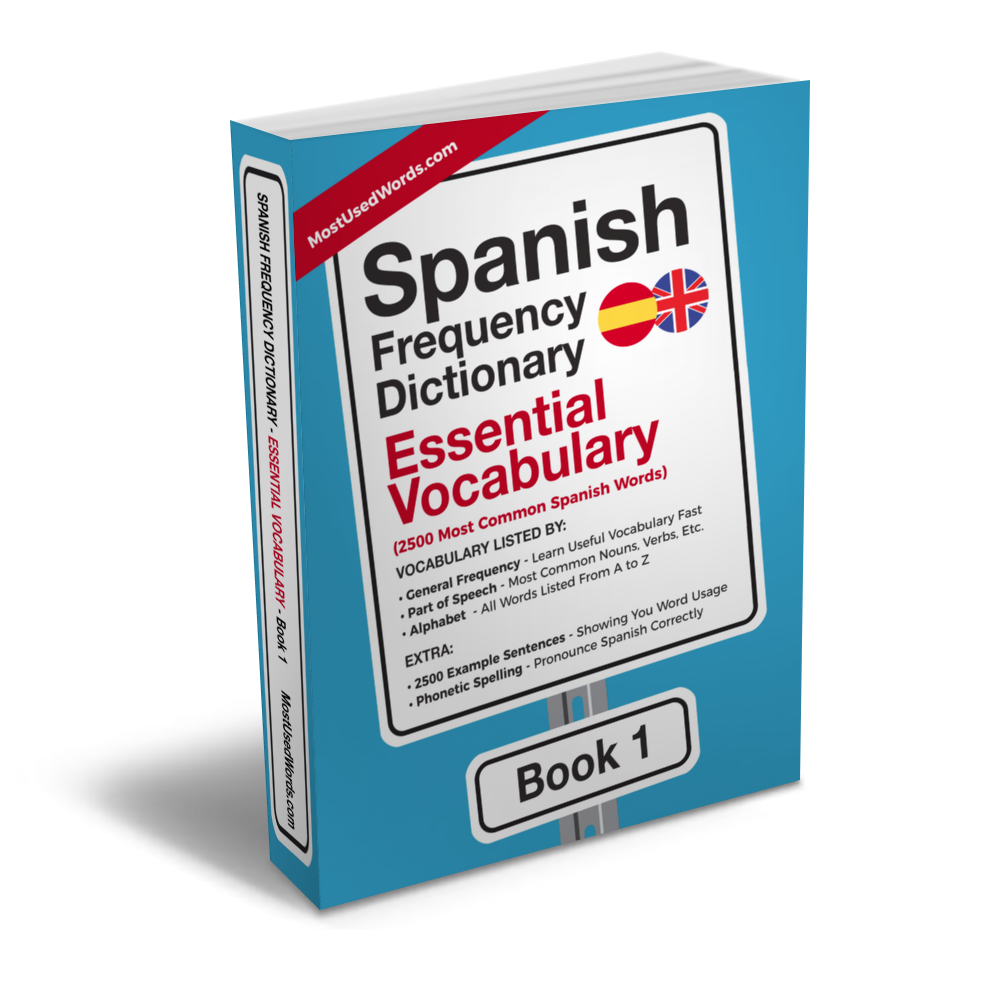
2,500 most common Spanish words with IPA pronunciation & bilingual example sentences
How to Say 'Feeling' (Adjective) in Spanish
The adjective "feeling" can be translated into Spanish as sentimiento (IPA: /sen.tiˈmjento/) or sensación (IPA: /sen.saˈθjon/). These terms capture the essence of emotions and physical sensations, enabling you to articulate your thoughts with precision. It's important to note that regional variations in Spanish-speaking countries may provide additional synonyms or alternate translations.
Meaning of 'Feeling' in Spanish
Want to improve your Spanish?
The Spanish Frequency Dictionary series covers the 10,000 most common Spanish words — ranked by how often native speakers actually use them, with IPA pronunciation, English translations, and bilingual example sentences at every level.
Browse all 4 volumes →In Spanish, sentimiento refers to the experience of emotions or sentiments and can describe physical sensations such as warmth, coldness, pain, or pleasure. Additionally, it encompasses a wide range of human feelings like joy, sadness, anger, and love.
Common Phrases Using 'Sentimiento' and 'Sensación'
Here are some common phrases using these words:
- Tengo un sentimiento de nostalgia al ver esa foto.
(I feel a sense of nostalgia when I see that photo.).
- La sensación de estar en casa después de mucho tiempo es inigualable.
(The feeling of being home after a long time is unparalleled.).
How to Express Feelings in Spanish: Sample Sentences
Here are additional sample sentences you can use:
- Hoy me siento feliz.
(I am feeling happy today.).
- Ella se siente triste después de ver la película.
(She is feeling sad after watching the movie.).
- Él está sintiendo enojo por la situación.
(He is feeling angry about the situation.).
- Nos sentimos emocionados por el próximo viaje.
(We are feeling excited about the upcoming trip.).
- Ellos se sienten preocupados por el examen.
(They are feeling worried about the test.).

- Beginner Spanish
- Intermediate Spanish
- Advanced Spanish
Build Your Spanish Vocabulary Systematically
The fastest way to grow your Spanish vocabulary is to start with the words you'll actually encounter every day. The Spanish Frequency Dictionary covers the 2,500 most common Spanish words, each with IPA pronunciation, an English translation, and bilingual example sentences.
Browse the full range of Spanish frequency dictionaries to find the volume that matches your level.