How to Say Delicious in Spanish | MostUsedWords.com
Updated for 2026, the word "delicious" in Spanish is commonly expressed as "delicioso," which translates directly to "tasty" or "flavorful." Whether you're traveling to a Spanish-speaking country or simply want to impress your Spanish-speaking friends with your culinary vocabulary, knowing how to describe delicious food is essential. In addition to "delicioso," the term "rico" (IPA: /ˈriko/) is widely used across many Spanish-speaking regions.

Fast track your vocabulary with the 10,000 most common Spanish words!
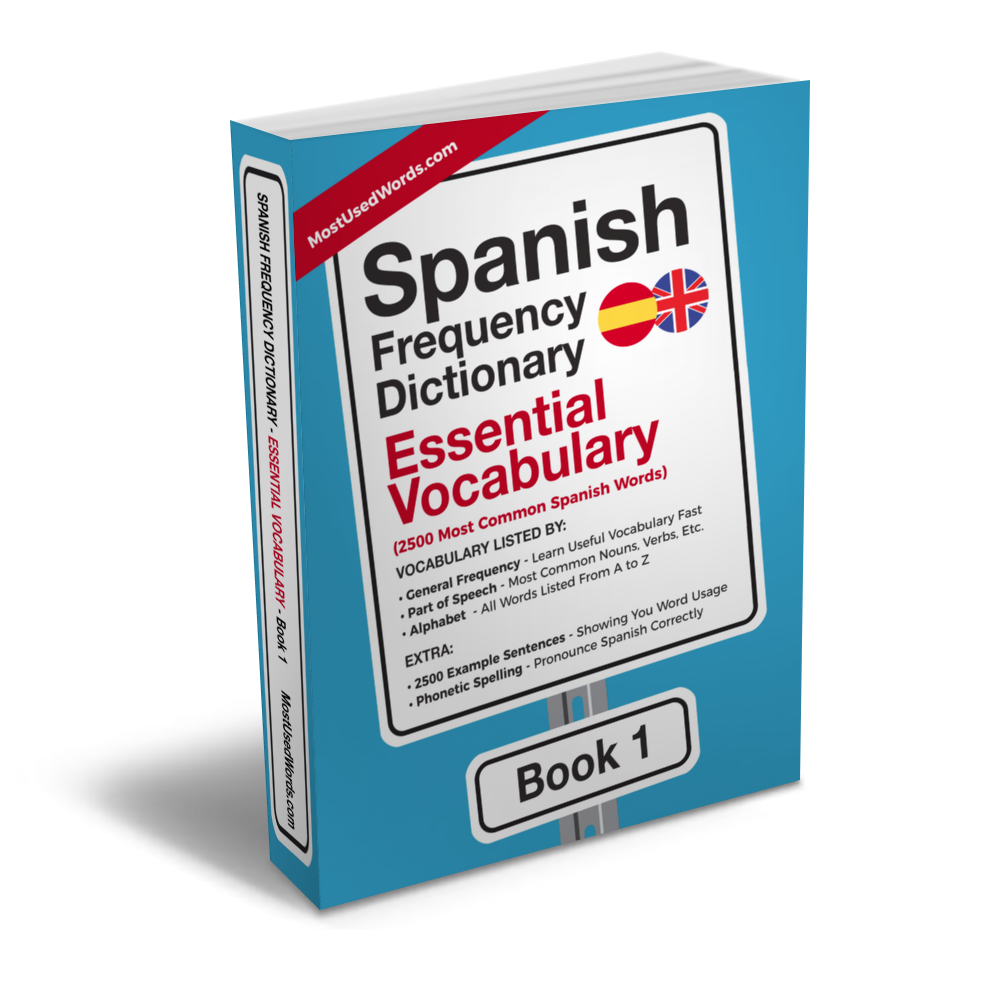
2,500 most common Spanish words with IPA pronunciation & bilingual example sentences
How to Say Delicious in Spanish: Pronunciation and Usage
The word "delicioso" (IPA: /de.liˈsjoso/) is widely used across Latin America and Spain. However, there are regional differences in usage. In Spain, the term "rico" (IPA: /ˈriko/) is more commonly used than "delicioso." Additionally, in some Latin American countries such as Mexico and the Caribbean, the word sabroso (IPA: /sa.ˈβro.so/) is also frequently employed to describe delicious food.
In Spanish-speaking cultures, describing a dish as "rico" or "delicioso" not only conveys its taste but also reflects the cultural significance of food in social interactions and celebrations.
Other Words for Delicious in Spanish
Want to improve your Spanish?
The Spanish Frequency Dictionary series covers the 10,000 most common Spanish words — ranked by how often native speakers actually use them, with IPA pronunciation, English translations, and bilingual example sentences at every level.
Browse all 4 volumes →There are several other words that can be used to describe delicious food:
- Rico (IPA: /ˈriko/) - Tasty, rich
- Sabroso (IPA: /sa.ˈβro.so/) - Flavorful, savory
- Exquisito (IPA: /ek.si.ˈsi.to/) - Exquisite, delightful
- Sabrosón (IPA: /sa.βro.ˈson/) - Delicious
Cultural Significance of Food in Spanish-Speaking Countries
In many Spanish-speaking countries, food is not just a necessity but also an integral part of cultural identity and social gatherings. Describing dishes as "rico" or "delicioso" goes beyond mere taste; it encapsulates the joy and communal spirit associated with meals.
Regional Differences in Usage
The usage of words like "rico," "sabroso," and "delicioso" varies across different Spanish-speaking regions. For instance, in Spain, "rico" is more commonly used than "delicioso." In Mexico and the Caribbean, "sabroso" is frequently employed to describe delicious food.
How to Say Tasty in Spanish: Sample Sentences
To help you incorporate these words into your vocabulary, here are some sample sentences:
- Esta paella está deliciosa.
- ¿Has probado esta sopa? Es muy rica.
- El postre de fresas y crema está delicioso.
- Me encanta el sabor de esta salsa. Es sabrosa.
- La comida en este restaurante siempre es deliciosa.
(This paella is delicious.)
(Have you tried this soup? It's very tasty.)
(The strawberry and cream dessert is delicious.)
(I love the taste of this sauce. It's delicious.)
(The food in this restaurant is always delicious.)
Build Your Spanish Vocabulary Systematically
The fastest way to grow your Spanish vocabulary is to start with the words you'll actually encounter every day. The Spanish Frequency Dictionary covers the 2,500 most common Spanish words, each with IPA pronunciation, an English translation, and bilingual example sentences.
Browse the full range of Spanish frequency dictionaries to find the volume that matches your level.