How to Say Daughter in Spanish | MostUsedWords.com
Updated for 2026, the word "daughter" in Spanish is "hija". In this article, we delve into the etymology of both "hija" and its male counterpart "hijo," explore cultural significance across different Spanish-speaking regions, provide sample sentences with idiomatic expressions, and offer a pronunciation guide using phonetic symbols.
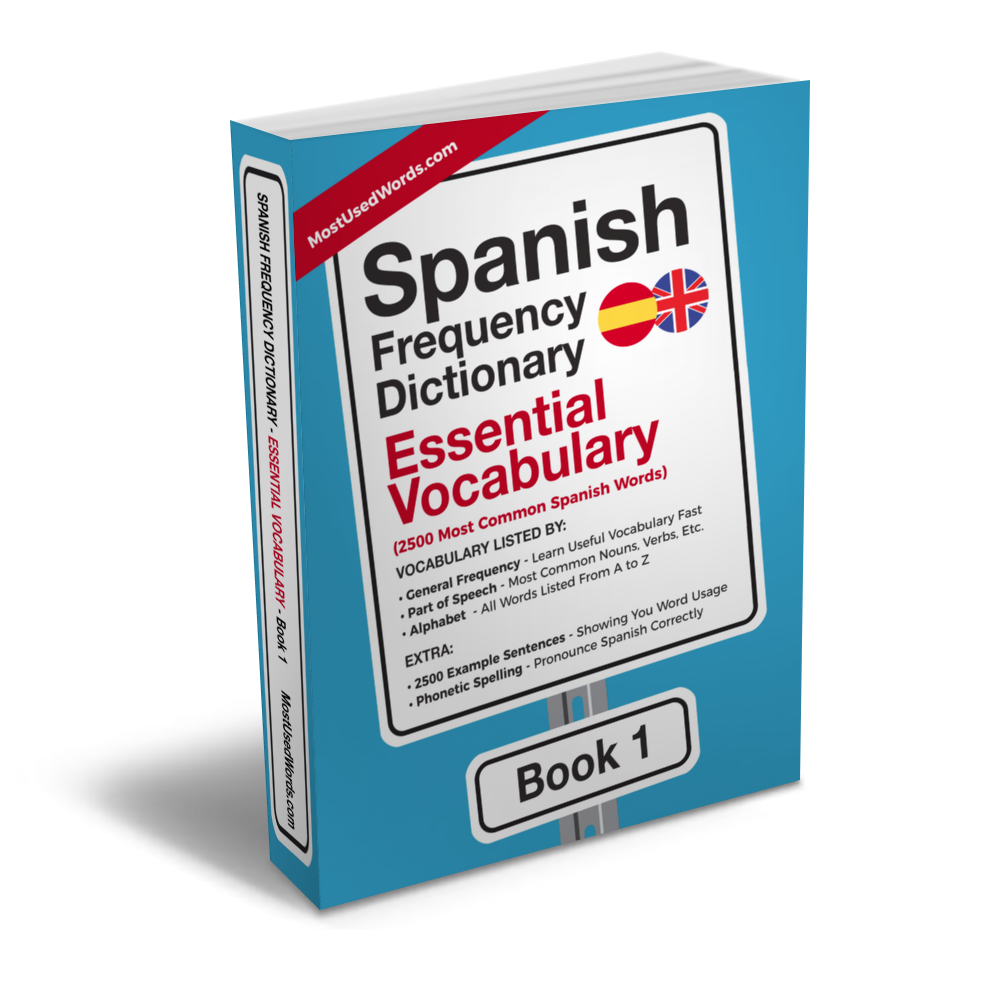
2,500 most common Spanish words with IPA pronunciation & bilingual example sentences
Etymology of 'Hija' and 'Hijo'
The word for "daughter" in Spanish is "hija", pronounced /ˈi.xa/. The term has roots in Latin, derived from the Latin word "filius", which means son. Over time, it evolved into its current form to specifically denote a female offspring. For male offspring, you would use the word "hijo" (IPA: /ˈi.xo/).
Cultural Significance in Different Spanish-Speaking Countries
Want to improve your Spanish?
The Spanish Frequency Dictionary series covers the 10,000 most common Spanish words — ranked by how often native speakers actually use them, with IPA pronunciation, English translations, and bilingual example sentences at every level.
Browse all 4 volumes →The term "hija" holds significant cultural importance across various Spanish-speaking regions. In some cultures, such as those in Spain and Mexico, the relationship between parents and daughters is deeply rooted in traditions that emphasize family values and respect.
Meaning of "Daughter" in Spanish
In Spanish, just like in English, "hija" refers to a female offspring of a parent. It can also be used to refer to step-daughters or adopted daughters. For example, "mi hija adoptiva" means "my adopted daughter" in English.
Translating “Daughter” and “Son” to Spanish
To translate "daughter" into Spanish, simply use the word "hija". It is important to note that in Spanish, nouns have a gender, and "hija" is a feminine noun. If you are referring to a male offspring, you would use the word "hijo", which means "son" in English.
Regional Differences
While "hija" is widely used across Spanish-speaking regions, there can be some variations. For instance, in Argentina and Uruguay, the term chica (IPA: /ˈtʃika/) might occasionally replace "hija". However, this usage is not common elsewhere.
Pronunciation Guide
To help you pronounce "hija" correctly, listen to the audio clips below:
Usage in Formal and Informal Settings
The term "hija" is versatile and can be used both formally and informally. In formal settings, it might be accompanied by titles or honorifics to show respect.
Sample Sentences with Idiomatic Expressions
- Mi hija tiene diez años y es muy inteligente.
- No puedo creer que mi hija haya ganado el concurso.
- Hija, por favor, no te preocupes tanto.
Build Your Spanish Vocabulary Systematically
The fastest way to grow your Spanish vocabulary is to start with the words you'll actually encounter every day. The Spanish Frequency Dictionary covers the 2,500 most common Spanish words, each with IPA pronunciation, an English translation, and bilingual example sentences.
Browse the full range of Spanish frequency dictionaries to find the volume that matches your level.