How to Say Cousin in Spanish | MostUsedWords.com
As of 2026, understanding the term "how-to-say-cousin-in-spanish" is crucial for anyone learning Spanish. In Spanish, you refer to a cousin as "primo."
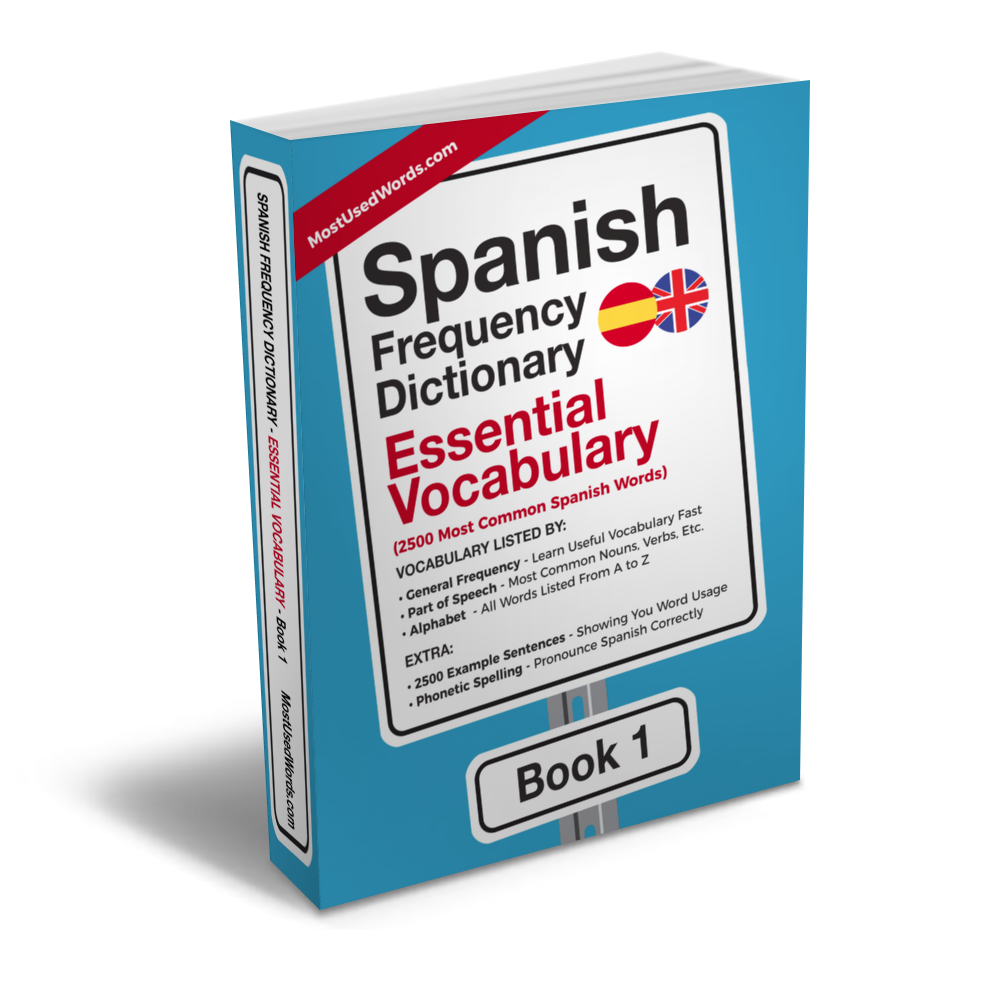
2,500 most common Spanish words with IPA pronunciation & bilingual example sentences
The Word for "Cousin" in Spanish: Primo
In Spanish, the word for "cousin" is "primo." This term can be used to describe a cousin from either side of your family. If you need to specify gender, use "prima" for a female cousin. The pronunciation of "primo" in IPA notation is /ˈpɾimo/, and "prima" is pronounced as /ˈpɾima/.
Cultural Significance and Etymology
Want to improve your Spanish?
The Spanish Frequency Dictionary series covers the 10,000 most common Spanish words — ranked by how often native speakers actually use them, with IPA pronunciation, English translations, and bilingual example sentences at every level.
Browse all 4 volumes →The term "primo" has a rich etymological background, reflecting the importance of family ties within Spanish-speaking cultures. Understanding its cultural significance can provide deeper insight into how this word is used in everyday conversations and social contexts across different regions.
Meaning of "Cousin" in Spanish
In Spanish, "primo" is a gender-neutral term that can refer to both male and female cousins. However, if you want to specify the gender, you would use "prima" for a female cousin.
Pronunciation Guide: Regional Variations
The pronunciation of "primo" varies slightly across different Spanish-speaking regions:
- Mexico and Spain: /ˈpɾimo/
- Latin America (general): /ˈpɾimo/, with slight variations in stress and intonation.
Translating "Cousin" to Spanish: Context Matters
To accurately translate "cousin" into Spanish, context is key. Here are some common phrases:
- My cousin (male): Mi primo /mi ˈpɾimo/.
- My cousin (female): Mi prima /mi ˈpɾima/.
Multiple Cousins: Plural Forms
If you are referring to multiple cousins, use:
- Mis primos (for both genders or mixed-gender groups)
- Mis primas (for all-female groups)
Regional Differences in Referring to Cousins
In different Spanish-speaking countries, there are variations in how cousins are referred to:
- Argentina: Primo hermano /ˈpɾimo eɾˈmano/ (first cousin).
- Chile: Pariente /paˈɾjente/ (general term for relatives, including cousins).
- Mexico: Primo segundo /ˈpɾimo seˈɣundo/ (second cousin).
Examples of Usage in Formal and Informal Settings
Here are some examples to illustrate how "primo" is used in different contexts:
- Informal setting: "¿Cómo estás, primo?" (How are you, cousin?)
- Formal setting: "Es un placer conocerle, señor Primo." (It's a pleasure to meet you, Mr. Cousin.)
Common Phrases and Contextual Usage
To better understand the usage of "cousin" in Spanish, here are some common phrases:
- Introducing a cousin: "Este es mi primo Juan." (This is my cousin Juan.)
- Asking about a cousin: "¿Dónde está tu prima?" (Where is your cousin?)
Build Your Spanish Vocabulary Systematically
The fastest way to grow your Spanish vocabulary is to start with the words you'll actually encounter every day. The Spanish Frequency Dictionary covers the 2,500 most common Spanish words, each with IPA pronunciation, an English translation, and bilingual example sentences.
Browse the full range of Spanish frequency dictionaries to find the volume that matches your level.