How to Say Commands in Spanish | Most Used Words
As of 2026, learning how to give commands is a crucial step when studying Spanish. In this article, we will explore the meaning of "commands" in Spanish, provide detailed explanations on translating them into different tenses and forms (polite vs. informal), offer practical examples for each pronoun form, and discuss common mistakes to avoid.

Fast track your vocabulary with the 10,000 most common Spanish words!
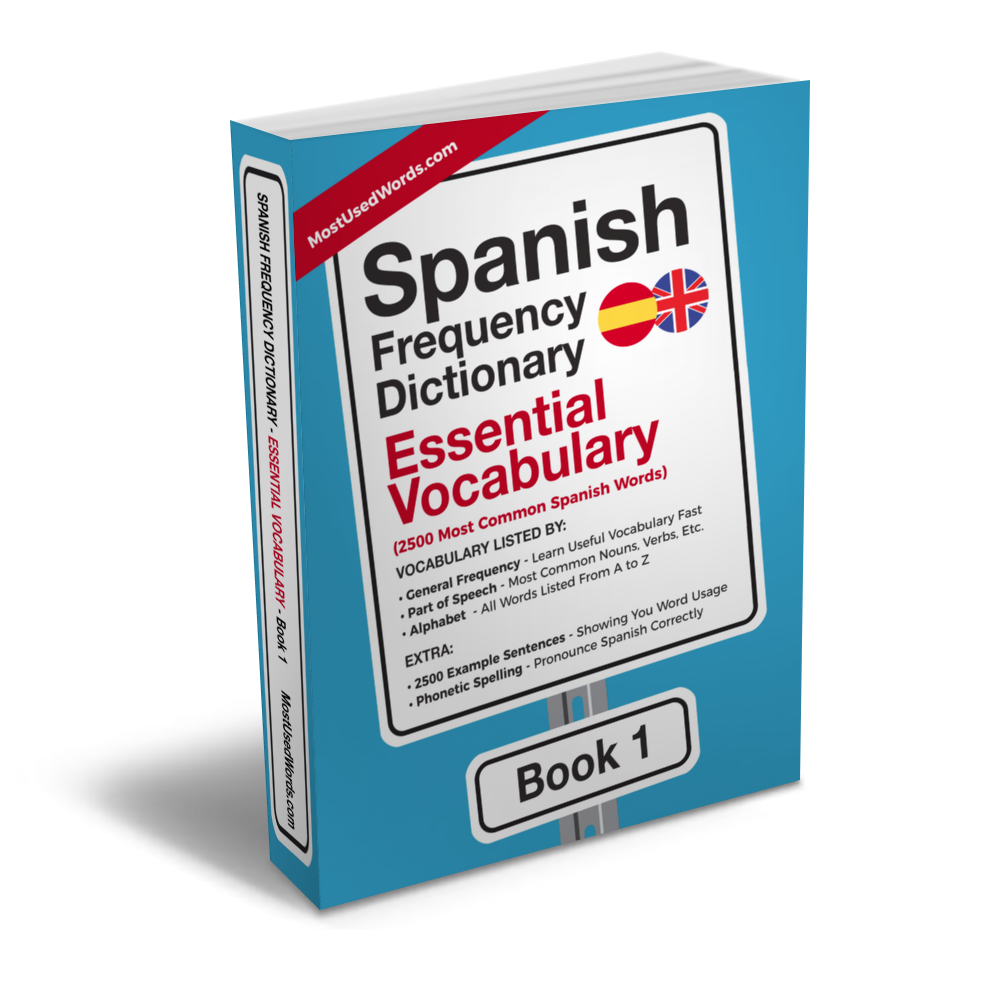
2,500 most common Spanish words with IPA pronunciation & bilingual example sentences
What are Commands in Spanish?
In Spanish, "commands" are referred to as "mandatos" (IPA: /manˈda.tos/) or "órdenes" (IPA: /ˈor.ðe.nes/). These words can be used interchangeably, although "mandatos" is generally more formal than "órdenes". Commands in Spanish serve the purpose of giving directions, orders, or instructions.
Meaning of Commands in Spanish
Want to improve your Spanish?
The Spanish Frequency Dictionary series covers the 10,000 most common Spanish words — ranked by how often native speakers actually use them, with IPA pronunciation, English translations, and bilingual example sentences at every level.
Browse all 4 volumes →Commands are imperative statements that tell someone what to do or not to do. In Spanish, there are two types of commands: affirmative and negative. Affirmative commands instruct the listener on actions to take, while negative commands indicate actions to avoid.
Translating Commands into Spanish
To translate commands effectively in Spanish:
- Use the Imperative Form of the Verb: In Spanish, commands are usually formed using the imperative form of the verb. For example, "comer" (to eat) becomes "come" for tú, "comed" for vosotros, and "coma/acompanen" for ustedes.
- Awareness of Regional Differences: Different regions use different forms of commands. In Spain, the vosotros form is commonly used, while in Latin America, it is not.
- Pronouns: Subject pronouns are often omitted when using commands. Instead of saying "tú come" (you eat), you would simply say "come".
Forming Commands for All Pronoun Forms
To fully master Spanish commands, it's essential to understand how to form them for all pronouns:
- Tú Form: Affirmative: comer -> come; Negative: no comer -> no comas
- Vosotros Form: Affirmative: comer -> comed; Negative: no comer -> no comáis
- Usted/Ustedes Form: Affirmative: comer -> coma/acompanen; Negative: no comer -> no coma/no acompañen
- Nosotros/Nosotras Form: Affirmative: comer -> comamos; Negative: no comer -> no comamos
- Ellos/Ellas Form: Affirmative: comer -> coman; Negative: no comer -> no coman
Using Commands in Different Tenses and Contexts
To use commands effectively, it's important to understand how they are used in different tenses and contexts:
- Past Imperative: Used for giving instruction in the past. For example, "habla" (talk) becomes "habló" when referring to a command given yesterday.
- Future Imperative: Used for giving instructions that will happen in the future. For example, "venga" (come) can be used with "va a venir" (is going to come).
Tips for Mastering Imperative Verbs
To master imperative verbs, it's important to practice using them in everyday situations:
- Practice forming commands for different pronouns.
- Avoid common mistakes such as forgetting regional differences or incorrectly omitting pronouns.
- Use the Spanish Frequency Dictionary to learn common imperative verbs and their usage in context.
Build Your Spanish Vocabulary Systematically
The fastest way to grow your Spanish vocabulary is to start with the words you'll actually encounter every day. The Spanish Frequency Dictionary covers the 2,500 most common Spanish words, each with IPA pronunciation, an English translation, and bilingual example sentences.
Browse the full range of Spanish frequency dictionaries to find the volume that matches your level.