How to Say Chores in Spanish | MostUsedWords.com
Updated for 2026, you can now easily learn how to say "chores" in Spanish. In this article, we will explore the nuances of translating chores into Spanish, including school tasks versus household duties.
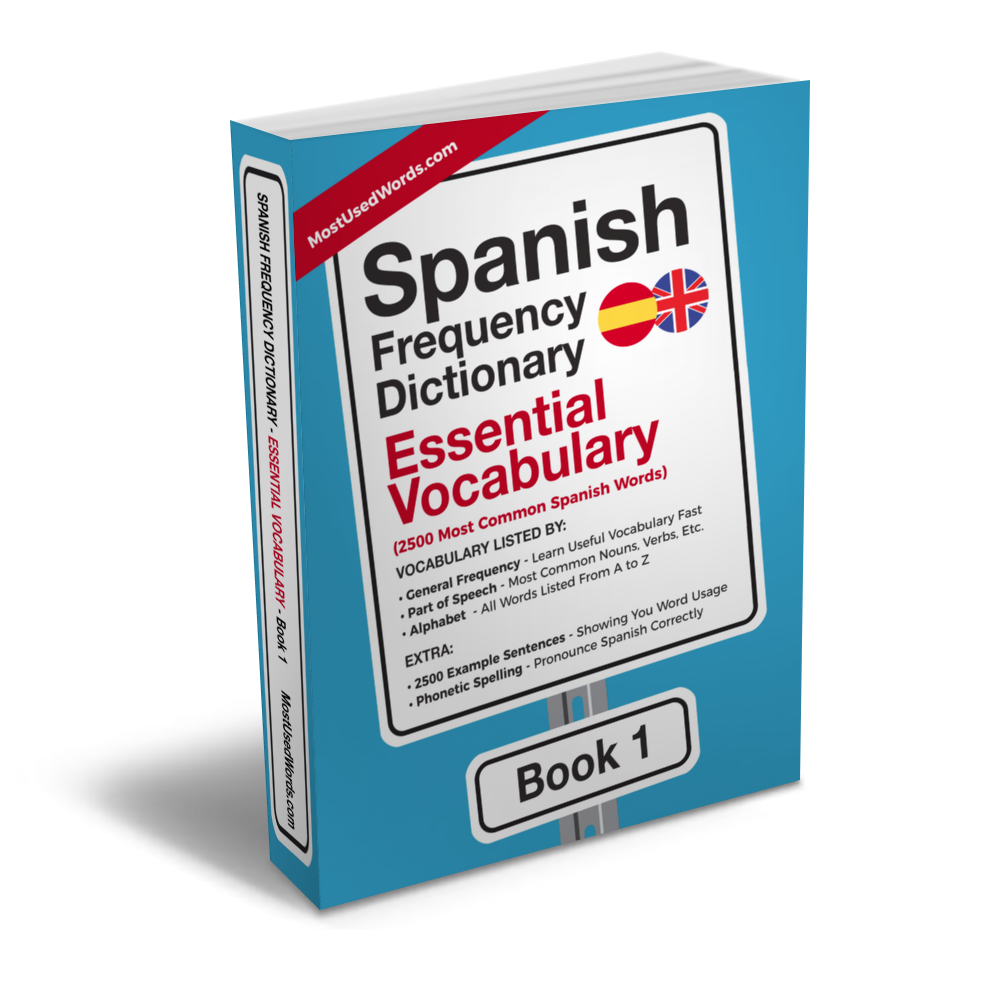
2,500 most common Spanish words with IPA pronunciation & bilingual example sentences
What is "Chores" in Spanish?
In Spanish, "chores" can be translated as either "tareas" or "quehaceres." Both terms are commonly used to describe daily tasks but have slight differences in context. "Tareas" often refers to schoolwork or work-related duties, while "quehaceres" specifically denotes household chores like cooking and cleaning.
Meaning of Household Tasks in Spanish
Want to improve your Spanish?
The Spanish Frequency Dictionary series covers the 10,000 most common Spanish words — ranked by how often native speakers actually use them, with IPA pronunciation, English translations, and bilingual example sentences at every level.
Browse all 4 volumes →"Tasks" translates to "tareas," which is frequently used for academic or professional responsibilities. Meanwhile, "quehaceres" comes from the verb "hacer" (to do) and specifically refers to household chores. Here are some sample sentences:
- Me gusta hacer mis tareas escolares en la biblioteca.
(I like to do my school tasks at the library. )
- Mi mamá siempre me hacía ayudar con los quehaceres de la casa.
(My mom always made me help with household tasks. )
Regional Differences in "Chores" Vocabulary
In Mexico, "tareas" is commonly used for schoolwork, while "quehaceres" refers to household chores. However, in other Latin American countries, the usage might vary; for instance, "quehaceres" could also be employed for work-related tasks.
Cultural Context of Doing Chores
In many Spanish-speaking cultures, doing chores is not just a daily routine but an essential part of personal development. Children are often expected to help with household duties as a way to learn responsibility and contribute to the family's well-being.
Common Verbs Used With "Chores" in Spanish
To fully understand how to discuss chores, it’s important to know common verbs used alongside these terms. Here are some examples:
- Hacer: to do (e.g., Hago mis tareas cada día.)
- Limpiar: to clean (e.g., Limpio la casa los fines de semana.)
- Cocinar: to cook (e.g., Cuando era joven, cocinaba con mi madre.)
Daily Routines and Chores in Spanish
Understanding daily routines is crucial for mastering the language. Here are some common phrases used when discussing chores:
- "¿Tienes que hacer las tareas hoy?"
(Do you have to do your homework today?)
- "No quiero hacer mis quehaceres."
(I don't want to do my chores.)
How to Say "Chores" in Spanish: Sample Sentences
Here are five sample sentences using both "tareas" and "quehaceres":
- Hago mis tareas escolares después de la escuela.
(I do my school tasks after school.)
- Mi hermano ayuda con los quehaceres de la casa cada fin de semana.
(My brother helps with household chores every weekend.)
Build Your Spanish Vocabulary Systematically
The fastest way to grow your Spanish vocabulary is to start with the words you'll actually encounter every day. The Spanish Frequency Dictionary covers the 2,500 most common Spanish words, each with IPA pronunciation, an English translation, and bilingual example sentences.
Browse the full range of Spanish frequency dictionaries to find the volume that matches your level.