How to Say Candy in Spanish | MostUsedWords.com
Updated for 2026, the word "candy" can be translated into Spanish as caramelo (IPA: /kara.ˈmelo/). This article delves into various ways to express "candy" in Spanish and provides cultural insights on its usage across different regions.
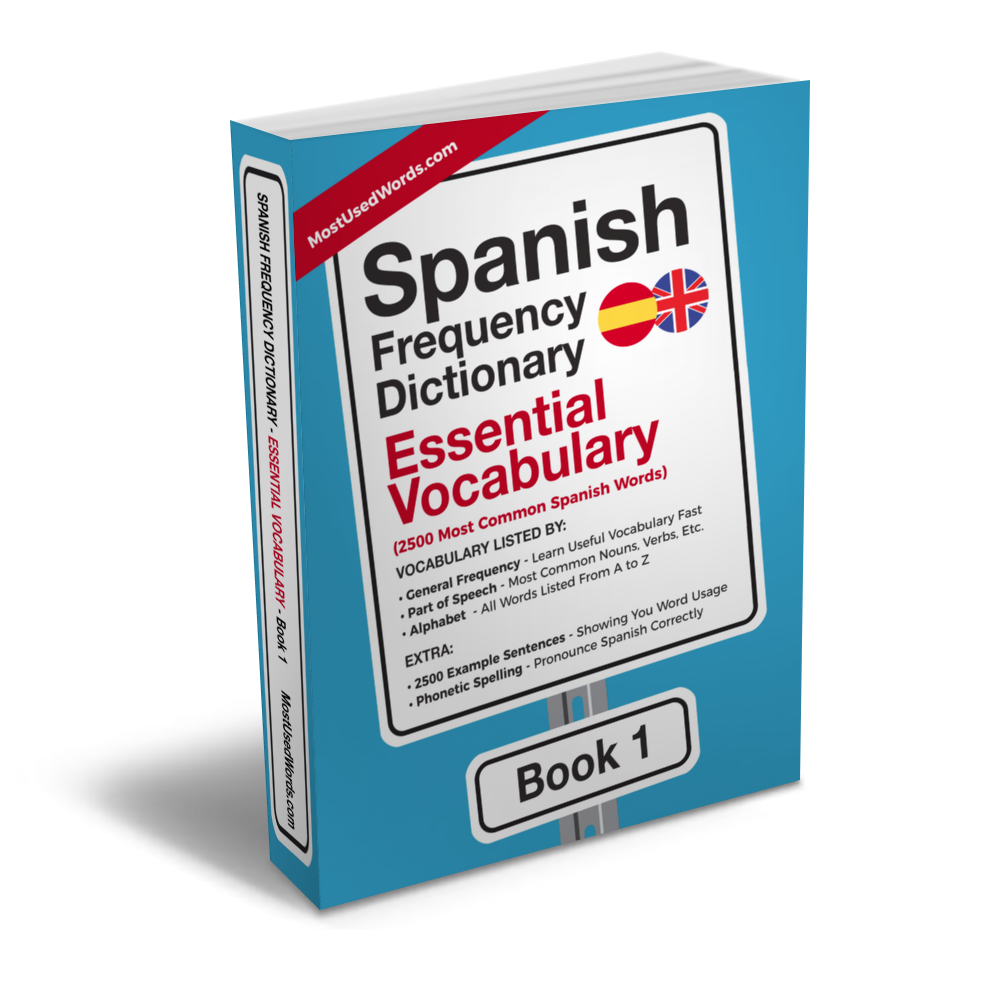
2,500 most common Spanish words with IPA pronunciation & bilingual example sentences
How to Say Candy in Spanish
The term "candy" can be expressed in several ways in Spanish:
- Caramelo (IPA: /kara.ˈmelo/) - The most common translation, referring to any type of sweet confectionery.
- Dulces (IPA: /ˈdul.θes/) - A general term for sweets or candies.
- Golosinas (IPA: /ɡo.lo.ˈsi.nas/) - Popular in Latin America, it covers a wide range of sweet treats including chocolates and gummies.
- Chucherías (IPA: /tʃu.tʃe.ˈɾi.as/) - Frequently used in Spain for candies or other sweet treats.
- Caramelos duros (IPA: /kaɾa.ˈme.los ˈdu.ros/) - Specifically refers to hard candies.
Pronunciation Guide
Want to improve your Spanish?
The Spanish Frequency Dictionary series covers the 10,000 most common Spanish words — ranked by how often native speakers actually use them, with IPA pronunciation, English translations, and bilingual example sentences at every level.
Browse all 4 volumes →To help you pronounce these terms correctly:
- Caramelo (kara-MEH-lo)
- Dulces (DOOL-thes)
- Golosinas (go-LO-si-nas)
- Chucherías (chu-chee-RYAS)
- Caramelos duros (ka-ra-MEH-loz DOO-rohs)
Usage in Spanish-Speaking Countries During Holidays and Events
In Spain, "caramelo" is commonly used for small, hard, sugary treats. In Latin American countries like Mexico and Argentina, the term dulces or golosinas encompasses a broader range of sweets including chocolates and gummies. Understanding these nuances helps in effective communication.
Sample Sentences and Phrases
To help you use these words effectively:
- ¿Quieres un caramelo?
- Me encanta comer golosinas después de la cena.
- Compré algunas chucherías para los niños.
- ¿Has probado los caramelos duros de menta?
(Do you want a candy?)
(I love eating sweets after dinner.)
(I bought some candies for the kids.)
(Have you tried the hard mint candies?)
Regional Differences and Etymology
The use of "candy" varies by region:
- In Spain, it typically denotes small, hard, sugary treats.
- Mexico and other Latin American countries often use golosinas.
- In Argentina, the term dulces is common for all types of sweets.
The etymology of these terms reflects their cultural significance in different Spanish-speaking regions. For instance, "caramelos" comes from the French word "caramel," highlighting historical influences on language development.
Comparison with Other Languages
While exploring how to say candy in Spanish, it's also interesting to compare these terms with other languages such as Portuguese or Italian. This comparison can provide a broader understanding of linguistic similarities and differences across Romance languages.
Build Your Spanish Vocabulary Systematically
The fastest way to grow your Spanish vocabulary is to start with the words you'll actually encounter every day. The Spanish Frequency Dictionary covers the 2,500 most common Spanish words, each with IPA pronunciation, an English translation, and bilingual example sentences.
Browse the full range of Spanish frequency dictionaries to find the volume that matches your level.