How to Say Butter in Spanish | MostUsedWords.com
Updated for 2026, the word for "butter" in Spanish is mantequilla (IPA: /man.te.ˈki.ʎa/). This dairy product holds a significant place in culinary traditions across Spanish-speaking countries.
Mantequilla is widely used as a spread on bread and an ingredient in cooking and baking, similar to its role in English-speaking cultures. However, there are regional variations and historical contexts that add depth to the term's usage.
What is "Butter" in Spanish?
The primary term for butter in Spanish is mantequilla (IPA: /man.te.ˈki.ʎa/). It is a dairy product made by churning cream or milk and used extensively as a spread, cooking ingredient, and substitute for oil when frying.
Cultural Significance of Butter in Spanish-Speaking Cultures
Want to improve your Spanish?
The Spanish Frequency Dictionary series covers the 10,000 most common Spanish words — ranked by how often native speakers actually use them, with IPA pronunciation, English translations, and bilingual example sentences at every level.
Browse all 4 volumes →In many Spanish-speaking countries, butter holds significant cultural importance. For instance, it is an essential component in traditional dishes such as croissants (croissant), pastries (pastelillos), and savory meals like grilled steak with garlic butter.
Historical Context of Butter in Spanish-Speaking Cultures
The history of butter consumption varies across different regions. In some areas, it has been a staple for centuries due to the availability of dairy farming, while other regions may have adopted its use more recently or prefer alternatives like lard.
Regional Differences in Butter Terminology
While "mantequilla" is widely used across Spanish-speaking countries, there are regional variations:
- In some parts of Latin America, manteca (IPA: /manˈteka/) is used instead. This word can also refer to lard in Spain.
- In Argentina, Uruguay, and Paraguay, "manteca" exclusively means butter.
- In Caribbean countries like the Dominican Republic and Puerto Rico, "mantequilla" is used but pronounced differently from other Spanish-speaking regions.
Comparison with Other Languages' Terms for Butter
The term mantequilla contrasts with butter terms in other languages. For example, French uses beurre, Italian uses burro, and German employs butter.
Pronunciation Guide for Mantequilla
To correctly pronounce "mantequilla," focus on the stress on the third syllable: /man.te.ˈki.ʎa/. This pronunciation is crucial when ordering food or discussing recipes in Spanish-speaking countries.
How to Say Butter in Spanish: Sample Sentences
Here are additional sample sentences using mantequilla:
- ¿Me pasas la mantequilla, por favor? (Can you pass the butter, please?)
- Hoy cociné un pastel con mucha mantequilla. (Today I baked a cake with lots of butter.)
- La mantequilla se derrite fácilmente en la sartén caliente. (The butter melts easily in the hot pan.)
How to Say Butter in Spanish: Phrasebook
To enhance your vocabulary, consider learning phrases like "¿Dónde puedo comprar mantequilla?" (Where can I buy butter?) and "La mantequilla está en la nevera." (The butter is in the fridge).
Spanish Dairy Products Vocabulary
Beyond just butter, it's useful to learn other dairy products such as margarina for margarine or nata for cream. Each has its unique characteristics and uses.
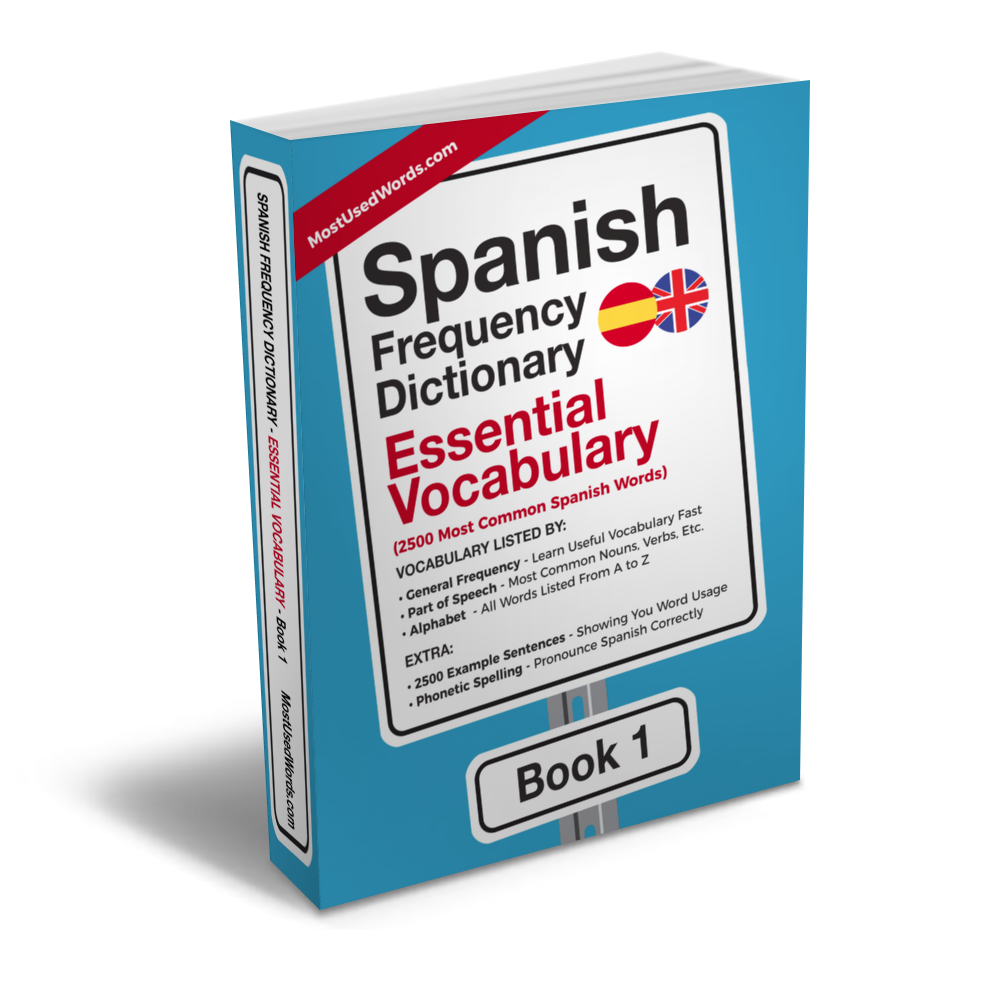
2,500 most common Spanish words with IPA pronunciation & bilingual example sentences
Build Your Spanish Vocabulary Systematically
The fastest way to grow your Spanish vocabulary is to start with the words you'll actually encounter every day. The Spanish Frequency Dictionary covers the 2,500 most common Spanish words, each with IPA pronunciation, an English translation, and bilingual example sentences.
Browse the full range of Spanish frequency dictionaries to find the volume that matches your level.