How to Say Blood in Spanish | MostUsedWords.com
As of 2026, the term "blood" translates to sangre in Spanish, a word that carries both biological and metaphorical meanings across various Spanish-speaking regions.

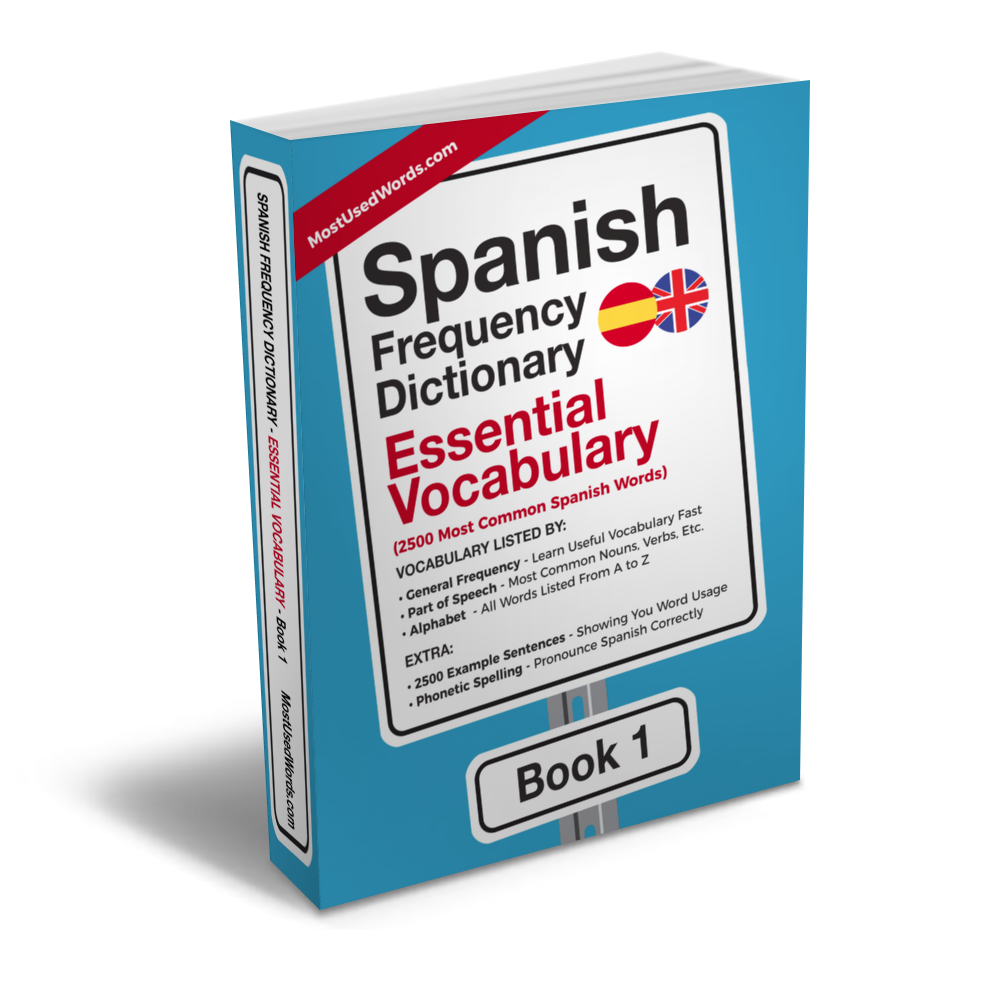
2,500 most common Spanish words with IPA pronunciation & bilingual example sentences
What is "Blood" in Spanish?
In Spanish, the word for blood is sangre (IPA: /saŋ.ɡɾe/). This term not only refers to the vital fluid that circulates through the veins and arteries but also symbolizes deep familial connections and shared heritage.
Regional Variations of "Sangre" in Spanish Dialects
Want to improve your Spanish?
The Spanish Frequency Dictionary series covers the 10,000 most common Spanish words — ranked by how often native speakers actually use them, with IPA pronunciation, English translations, and bilingual example sentences at every level.
Browse all 4 volumes →Across different Spanish-speaking regions, the term sangre might be used with slight variations or idiomatic expressions that reflect local culture and traditions. For instance, in some Latin American countries, phrases like "tener sangre azul" (to have blue blood) are used to describe nobility.
Cultural Significance and Idiomatic Expressions Involving Sangre
The term sangre is deeply rooted in Spanish culture, often appearing in idioms that express strong emotions or familial ties. For example, "sangre de mi sangre" (blood of my blood) emphasizes a close family relationship.
How to Say "Blood" in Spanish: Sample Sentences
To help you understand the usage of sangre, here are five sample sentences:
- Necesito donar sangre para la campaña de donación.
(I need to donate blood for the donation campaign.)
- El vampiro chupó su cuello y bebió su sangre.
(The vampire sucked his neck and drank his blood.)
- La sangre de la familia corre por mis venas.
(The blood of the family runs through my veins.)
- Después del accidente, tenía una herida y estaba perdiendo sangre.
(After the accident, he had a wound and was losing blood.)
- Ella se asustó cuando vio que su nariz estaba sangrando; había sangre por todas partes.
(She got scared when she saw her nose was bleeding; there was blood everywhere.)

- Beginner Spanish
- Intermediate Spanish
- Advanced Spanish
-
Spanish Frequency Dictionary covers the 2,500 most common Spanish words, each with IPA pronunciation, an English translation, and bilingual example sentences.
Browse the full range of Spanish frequency dictionaries to find the volume that matches your level.