How to Say Bless You in Spanish | MostUsedWords.com
As of 2026, when someone sneezes, it is customary in many cultures to express a well-wish such as "bless you." In the Spanish language, there are several ways to convey this sentiment depending on the region. This article explores different expressions used in Spain and Latin America to say "bless you" and provides insights into their historical context and cultural significance.

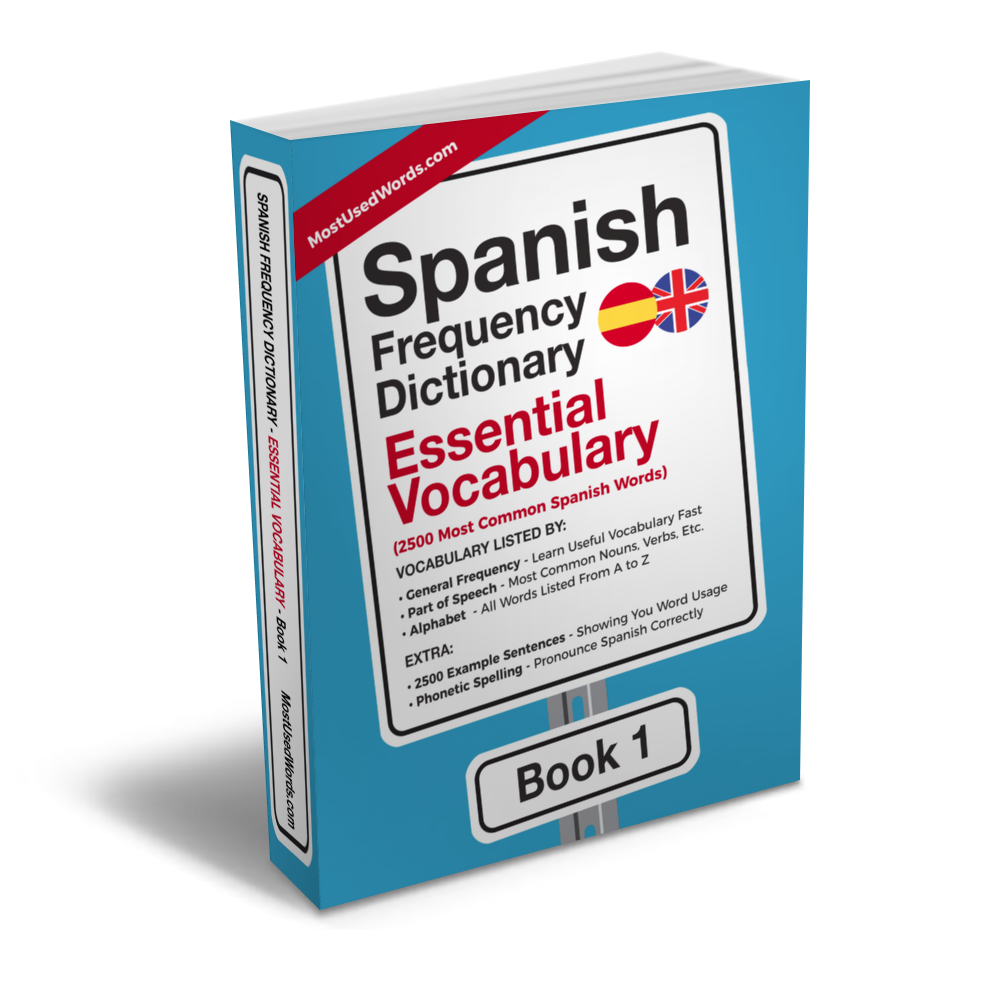
2,500 most common Spanish words with IPA pronunciation & bilingual example sentences
How to Say "Bless You" in Spanish
In Spanish-speaking cultures, there are various ways to express a well-wish after someone sneezes. Here’s how you can say “bless you” in different regions:
- Spain and most Latin American countries: The common phrase is salud (IPA: /sa.ˈlud/), meaning "health." This response wishes the person good health after sneezing.
- Mexico: In addition to salud, another popular response is Jesús (IPA: /xe.ˈsus/). This phrase invokes Jesus Christ and has religious connotations, believed to protect the sneezer from evil spirits.
- Argentina, Uruguay, and parts of Paraguay: The customary phrase here is salud y amor (IPA: /sa.ˈlud i a.ˈmoɾ/), which means "health and love." This expression encompasses both physical well-being and emotional and spiritual aspects.
- Chile: People often say Jesús te acompañe (IPA: /xe.ˈsus te a.kom.ˈpa.ɲe/), meaning "May Jesus be with you." This phrase also carries religious significance, similar to the Mexican variation.
- The Caribbean (Dominican Republic and Puerto Rico): It is common to say Jesús te bendiga (IPA: /xe.ˈsus te ben.ˈdi.ɣa/), which translates to "May Jesus bless you." This phrase combines the religious aspect with the act of offering blessings.
Cultural Insights and Historical Context
Want to improve your Spanish?
The Spanish Frequency Dictionary series covers the 10,000 most common Spanish words — ranked by how often native speakers actually use them, with IPA pronunciation, English translations, and bilingual example sentences at every level.
Browse all 4 volumes →Saying “bless you” in Spanish is more than a polite gesture; it reflects cultural beliefs and traditions associated with sneezing. Here are some insights:
- The religious undertones present in many Spanish expressions stem from the belief that sneezing could potentially leave the body vulnerable to evil spirits. Invoking the name of Jesus or offering blessings is seen as a way to ward off any potential harm.
- Saying “bless you” in Spanish is also an act of empathy and care, showing acknowledgment of the person's sneeze and wishing them good health or general well-being.
- The inclusion of words like "amor" ("love") or "salud" ("health") reflects the importance of emotional and physical well-being in these cultures. It goes beyond a simple acknowledgment of a sneeze to extend good wishes for the person's overall state.
How to Respond if Someone Says “Bless You” Back to You
If someone responds with "bless you" after your sneeze, it is customary to acknowledge their well-wish. A simple response like dame salud (IPA: /da.me sa.ˈlud/) or gracias por la salud (IPA: /ɡɾa.ˈθjas poɾ la sa.ˈlud/) is appropriate.
How to Say "Bless You" in Spanish: Sample Sentences
To help you practice, here are some sample sentences for each variation:
- In Spain and most Latin American countries: Maria: ¡Ayúdame! Pedro: ¿Qué pasa? Maria: Acabo de estornudar. Pedro: Salud!
- In Mexico: Juanita: ¡Ay, qué fuerte! Carlos: Jesús.
- In Argentina, Uruguay, and parts of Paraguay: Luisa: ¿Cómo estás? Pedro: Bien, gracias. Luisa: Estornudaste hace un rato. Pedro: Salud y amor.
- In Chile: Maria: ¡Ay! Pedro: Jesús te acompañe.
- In the Caribbean (Dominican Republic and Puerto Rico): Luis: ¿Qué tal? Ana: Bien, gracias. Luis: Estornudaste hace un rato. Ana: Jesús te bendiga.
Build Your Spanish Vocabulary Systematically
The fastest way to grow your Spanish vocabulary is to start with the words you'll actually encounter every day. The Spanish Frequency Dictionary covers the 2,500 most common Spanish words, each with IPA pronunciation, an English translation, and bilingual example sentences.
Browse the full range of Spanish frequency dictionaries to find the volume that matches your level.