How to Say Big Butt in Spanish | MostUsedWords.com
As of 2026, exploring colloquial and slang terms can be both fun and informative when learning a new language like Spanish. In this article, we will delve into the various ways to express "big butt" in Spanish, including regional variations and cultural nuances.

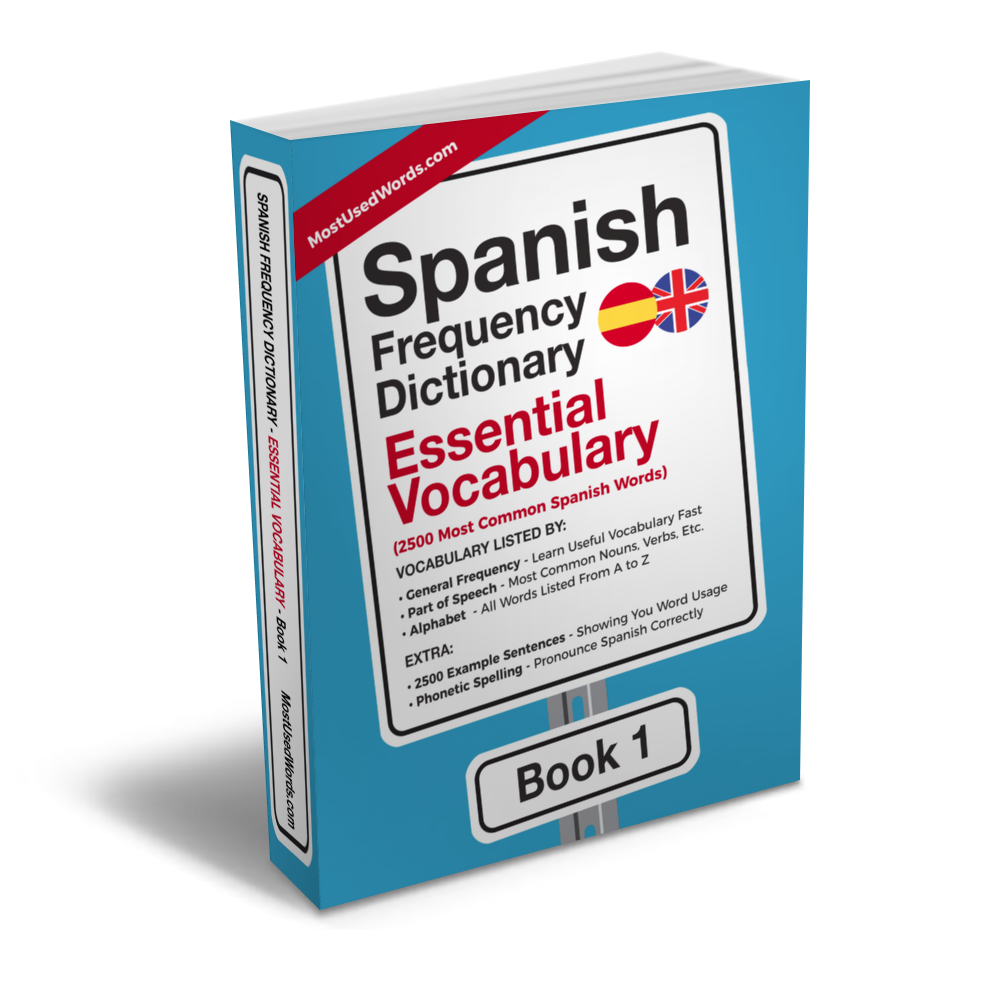
2,500 most common Spanish words with IPA pronunciation & bilingual example sentences
What is "Big Butt" in Spanish?
Spanish offers several ways to express the concept of a big butt, reflecting regional slang and cultural attitudes. Here are some common terms:
- Culo grande (IPA: /ˈkulo ˈɡɾande/): This is a widely used term in many Spanish-speaking regions for referring to someone with a large posterior.
- Trasero grande (IPA: /tɾaˈseɾo ˈɡɾande/): More formal and polite, this phrase can be used to describe a big butt without being too direct.
- Nalgas grandes: Another common term for large buttocks, often used in everyday conversation.
- Cola grande (IPA: /ˈkola ˈɡɾande/): This slang term is popular in Latin America and can be playful or affectionate depending on the context.
Regional Slang Terms for Big Butt
Want to improve your Spanish?
The Spanish Frequency Dictionary series covers the 10,000 most common Spanish words — ranked by how often native speakers actually use them, with IPA pronunciation, English translations, and bilingual example sentences at every level.
Browse the full series →Different regions have their own unique ways of describing a big butt. For instance, in Mexico, you might hear "tetas grandes", while in Argentina, people might use the term "glúteos grandes." Each region has its nuances and cultural contexts that influence these terms.
Cultural Context and Usage Examples
The way "big butt" is perceived varies widely across Spanish-speaking countries. In some cultures, it might be seen as a positive attribute, while in others, it could be considered taboo or offensive. Understanding these cultural differences is crucial when using such terms.
- Spain: More formal and polite expressions are preferred. Terms like "trasero grande" are commonly used.
- Mexico: Slang terms tend to be more playful, with phrases like "cola grande."
- Argentina: A mix of formal and informal expressions can be found. For example, "glúteos grandes" is widely understood.
Body Positivity and Cultural Attitudes Towards Body Types
In recent years, there has been a growing movement towards body positivity in many Spanish-speaking countries. This shift encourages people to embrace all body types, including those with larger butts. Understanding these cultural attitudes is important when discussing such topics.
How to Say "Big Butt" in Spanish: Sample Sentences
Here are several sample sentences you can use:
- Tienes un gran trasero.
- Mis amigas tienen nalgas grandes.
- ¡Vaya, mira esa cola grande!
- Mi vecino tiene un culo grande.
- Me encanta cómo luce tu gran trasero.
You have a big butt.
My friends have big buttocks.
Wow, look at that big butt!
My neighbor has a big butt.
I love how your big butt looks.

Frequently Asked Questions
Is "culo grande" offensive?
The term "culo grande" can be considered impolite in certain contexts, especially if used without proper familiarity or respect. It's best to gauge the situation before using this phrase.
What is a polite way to say "big butt"?
Terms like "trasero grande" and "nalgas grandes" are more formal and can be used in polite conversation, especially when discussing body types.
Is it common to use slang for "big butt"?
Slang terms like "cola grande" are commonly used in casual settings among friends or family. However, they might not be appropriate in formal situations.
Build Your Spanish Vocabulary Systematically
The fastest way to grow your Spanish vocabulary is to start with the words you'll actually encounter every day. The Spanish Frequency Dictionary covers the 2,500 most common Spanish words, each with IPA pronunciation, an English translation, and bilingual example sentences.
Browse the full range of Spanish frequency dictionaries to find the volume that matches your level.