How to Say Assignment in Spanish | MostUsedWords.com
As of 2026, expanding your vocabulary is key when learning a new language like Spanish. If you're wondering how to say "assignment" in Spanish, the answer varies depending on context and regional preferences.

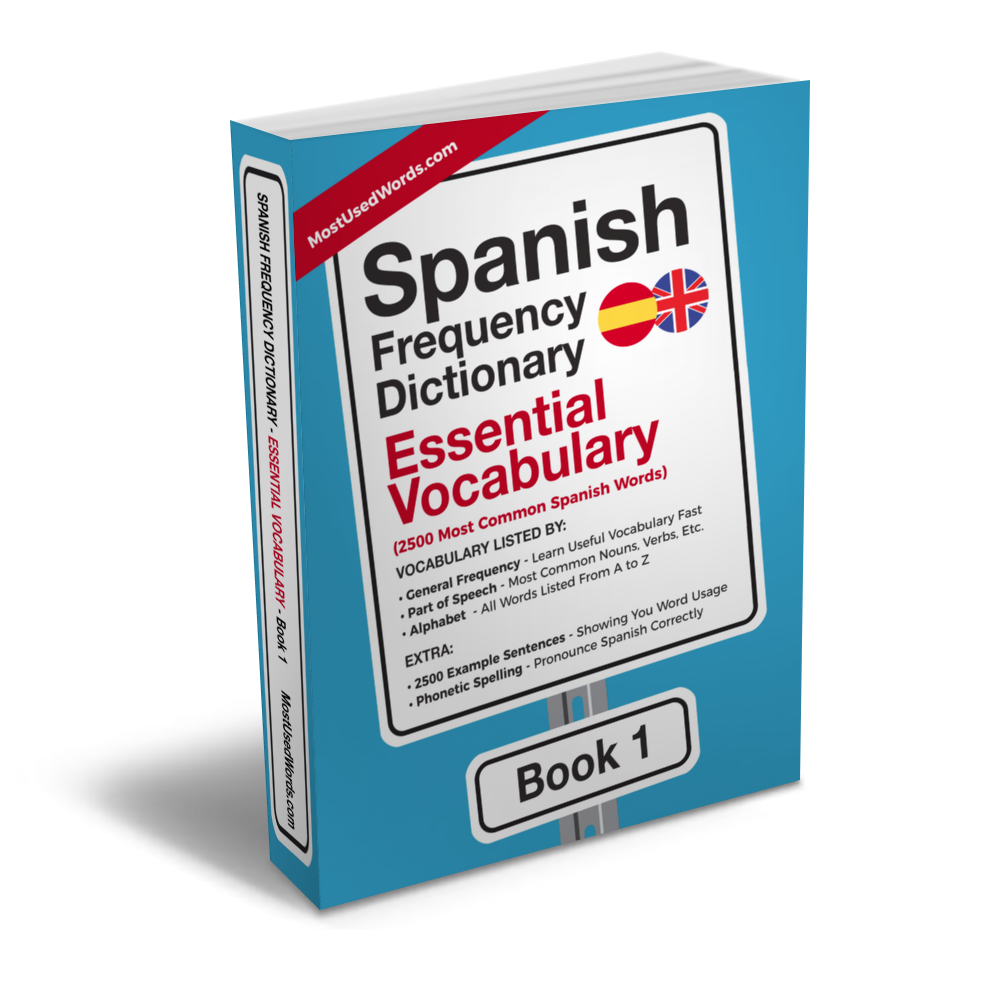
2,500 most common Spanish words with IPA pronunciation & bilingual example sentences
What is "Assignment" in Spanish?
The noun "assignment" can be translated into several words in Spanish, each with its own nuances and usage contexts. Here are the most common translations:
- Tarea (IPA: /taˈɾea/): This is the most widely used term for an assignment in educational settings. It refers to a task or homework assigned by teachers.
- Encargo (IPA: /enˈkaɾɡo/): This word leans more towards specific tasks or projects, often used in professional contexts such as work assignments.
- Asignación (IPA: /asiɲaˈθjon/): Used in official or bureaucratic settings, this term refers to the assignment of resources or responsibilities.
Each translation carries a slightly different connotation and is used in various contexts. For instance:
- Mi maestra me dio una tarea para mañana. (My teacher gave me an assignment for tomorrow)
- Mi jefe me ha dado un encargo muy importante. (My boss has given me a very important assignment)
- El gobierno ha anunciado una asignación de fondos para el proyecto. (The government has announced an assignment of funds for the project)
Pronunciation Tips
Want to improve your Spanish?
The Spanish Frequency Dictionary series covers the 10,000 most common Spanish words — ranked by how often native speakers actually use them, with IPA pronunciation, English translations, and bilingual example sentences at every level.
Browse the full series →Pronouncing these words correctly is crucial. Here are some tips:
- Tarea (taˈɾea): Emphasize the stress on the second syllable.
- Encargo (enˈkaɾɡo): Stress falls on the third syllable, with a slight rolling of the 'r.'
- Asignación (asiɲaˈθjon): The stress is on the fourth syllable, and the 'j' sounds like an English 'h.'
Usage in Non-Educational Contexts
While "tarea" is commonly used for homework or school assignments, other terms are more appropriate in non-educational settings:
- Tarea de trabajo (work task): Used when referring to tasks at work.
- Encargo profesional (professional assignment): Suitable for professional or business contexts.
- Asignación de recursos (resource allocation): Often used in organizational or governmental settings.
Comparison with Other Languages
In other languages, "assignment" translates differently:
- Français (French): Tâche / Mission
- Alemán (German): Aufgabe / Auftrag
- Italiano (Italian): Lavoro / Compito
Regional References
Spanish-speaking regions have their own preferences:
- In some Latin American countries, "tarea" is more common.
- In Spain, "trabajo" might be preferred for certain contexts.
How to Say "Assignment" in Spanish: Sample Sentences
Here are additional sample sentences you can use:
- Mi maestra me dio mucha tarea para hacer este fin de semana. (My teacher gave me a lot of homework to do this weekend)
- El profesor nos asignó una tarea grupal sobre el tema de la historia. (The professor assigned us a group assignment on the topic of history)
- Nuestro jefe nos dio una asignación importante para completar antes del viernes. (Our boss gave us an important assignment to complete before Friday)
- El capitán encomendó una tarea a su equipo de soldados. (The captain commended an assignment to his team of soldiers)
- Cumple con tu deber y entrega la tarea a tiempo. (Fulfill your duty and submit the assignment on time)

Frequently Asked Questions
What is the difference between "tarea" and "encargo"?
"Tarea" typically refers to homework or school assignments, while "encargo" can be used for professional tasks.
Can I use "asignación" in everyday conversations?
While "asignación" is more formal and often used in official contexts, it may not be as common in casual conversation.
Is there a difference between Latin American Spanish and European Spanish when using these terms?
Yes, regional preferences exist. For example, "tarea" is more common in some Latin American countries, while "trabajo" might be preferred in Spain.
Build Your Spanish Vocabulary Systematically
The fastest way to grow your Spanish vocabulary is to start with the words you'll actually encounter every day. The Spanish Frequency Dictionary covers the 2,500 most common Spanish words, each with IPA pronunciation, an English translation, and bilingual example sentences.
Browse the full range of Spanish frequency dictionaries to find the volume that matches your level.