How to Say Apple in Spanish | Manzana Pronunciation Guide
Updated for 2026, "apple" translates to "manzana" in Spanish. This versatile fruit is essential in Spanish cuisine and culture.
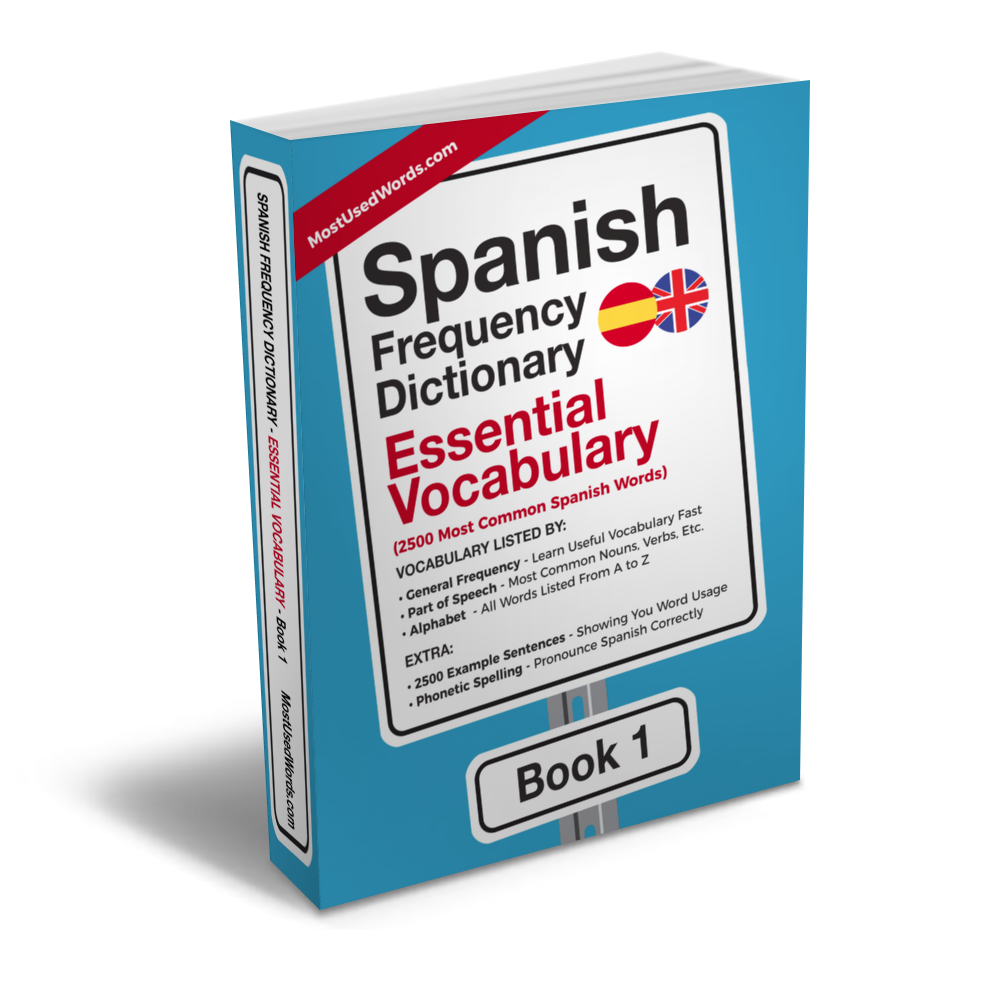
2,500 most common Spanish words with IPA pronunciation & bilingual example sentences
How to Say Apple in Spanish: Pronunciation Guide
The word for apple in Spanish is "manzana". It's pronounced as /manˈθana/. "Manzana" not only refers to the fruit but also has various uses and meanings across different contexts.
Sample Sentences Using "Manzana"
Want to improve your Spanish?
The Spanish Frequency Dictionary series covers the 10,000 most common Spanish words — ranked by how often native speakers actually use them, with IPA pronunciation, English translations, and bilingual example sentences at every level.
Browse all 4 volumes →To help you integrate "manzana" into everyday conversations, here are some sample sentences:
- Me encanta comer una manzana al día.
- ¿Podrías traerme un manzano para plantar en mi jardín?
- Esta receta de manzanas al horno es deliciosa.
- Mi tienda favorita tiene las mejores manzanas.
- ¿Quieres compartir una manzana conmigo?
(I love to eat an apple a day.)
(Could you bring me an apple tree to plant in my garden?)
(This recipe for baked apples is delicious.)
(My favorite store has the best apples.)
(Do you want to share an apple with me?)
Comparison with Other Fruits in Spanish
In Spanish, "manzana" is distinct from other fruits like "plátano" (banana), "naranja" (orange), and "pera" (pear). Each fruit has its unique cultural significance and culinary uses.
Cultural Significance of Apples in Spanish-Speaking Countries
Apples hold significant cultural importance across various Spanish-speaking regions. They are often featured in traditional dishes, festivals, and literature, reflecting their deep-rooted presence in local cultures.
Regional Differences in Apple Terminology
Note that regional variations exist. For instance, in Andalusia, Spain, the word "pero" is used instead of "manzana." Understanding these differences enhances your language skills and cultural knowledge.
Usage of 'Manzana' in Literature and Media
The term "manzana" appears frequently in Spanish literature and media. It's often referenced metaphorically, such as the phrase "una manzana por el panadero", which means to thank someone who has helped you.
Build Your Spanish Vocabulary Systematically
The fastest way to grow your Spanish vocabulary is to start with the words you'll actually encounter every day. The Spanish Frequency Dictionary covers the 2,500 most common Spanish words, each with IPA pronunciation, an English translation, and bilingual example sentences.
Browse the full range of Spanish frequency dictionaries to find the volume that matches your level.