How to Say Alcohol in Spanish | MostUsedWords.com
As of 2026, the word "alcohol" is universally recognized across many languages, including Spanish. In Spanish, you simply use alcohol, pronounced as /ˈalkoˌhol/. This borrowed term from English and Arabic has seamlessly integrated into the Spanish vocabulary.
The term "alcohol" in Spanish refers to a colorless, volatile liquid with intoxicating properties, commonly associated with alcoholic beverages. However, it also encompasses broader applications in chemistry and industry.
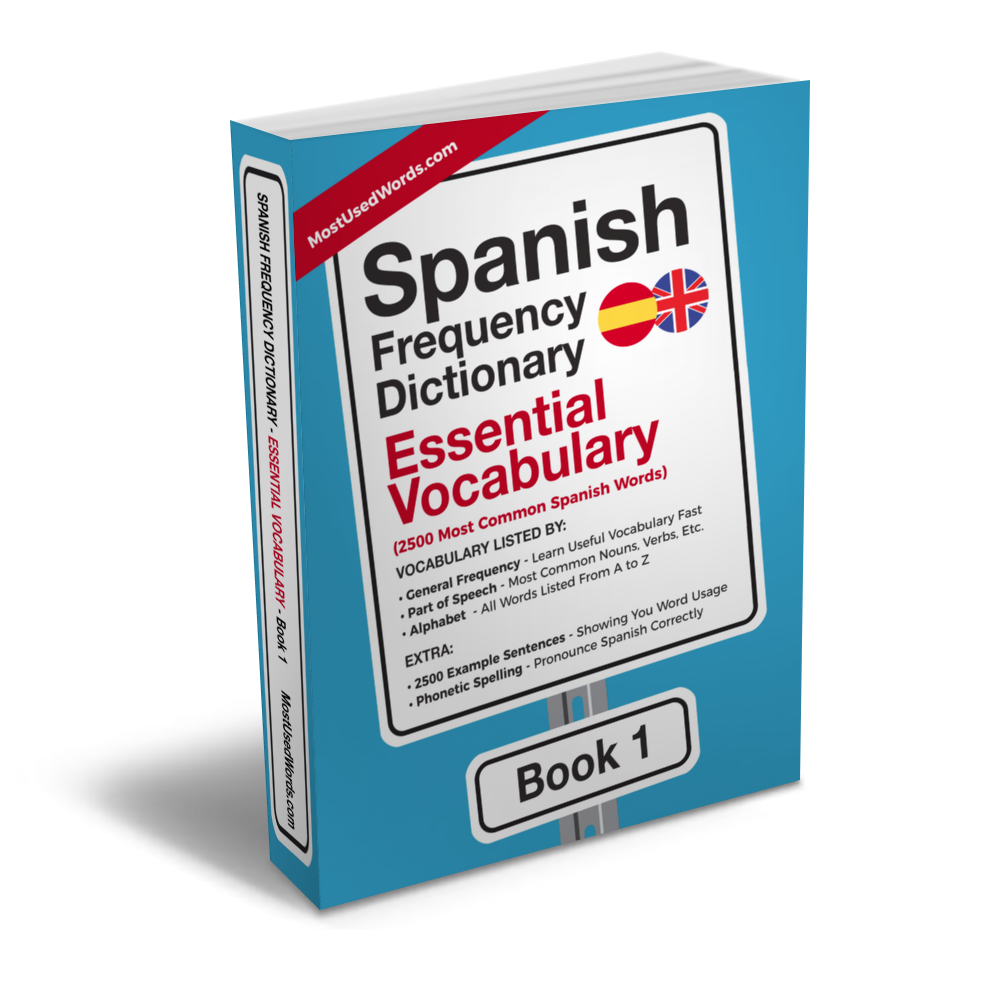
2,500 most common Spanish words with IPA pronunciation & bilingual example sentences
Meaning of Alcohol in Spanish
The term "alcohol" in Spanish is used to describe the colorless liquid that can cause intoxication when consumed. It's widely recognized across various contexts, from casual conversation about drinks to more technical discussions involving chemistry and industry.
Regional Variations in Usage of Alcohol
Want to improve your Spanish?
The Spanish Frequency Dictionary series covers the 10,000 most common Spanish words — ranked by how often native speakers actually use them, with IPA pronunciation, English translations, and bilingual example sentences at every level.
Browse the full series →While the term "alcohol" remains consistent across Spanish-speaking regions, different countries have unique colloquialisms for specific types of alcohol or drinking-related phrases. Here are a few examples:
- In Spain, while "alcohol" is commonly used, you might also hear terms like "bebida alcohólica" (alcoholic beverage) or simply "bebida" when referring to drinks.
- Mexico uses the term "alcohol," but phrases such as "bebidas embriagantes" (intoxicating beverages) are prevalent in certain contexts, especially legal documents and regulations.
- In Argentina, while "alcohol" is widely understood, colloquially people might refer to alcoholic drinks by specific names like "birra" for beer or "fernet" for a type of bitter liqueur.
Common Phrases and Expressions Related to Alcohol in Spanish
Beyond the basic term "alcohol," there are numerous phrases and expressions used in different contexts:
- Tener un trago: To have a drink (informal).
- Ir de borracho: To go out drinking.
- Bebida alcohólica: Alcoholic beverage.
Cultural Context of Alcohol Consumption in Spanish-Speaking Countries
The cultural context around alcohol varies widely across different Spanish-speaking regions. For instance, Spain has a long tradition of social drinking and tapas culture, while Latin American countries often have more restrictive laws due to historical influences.
Legal Aspects of Alcohol Purchase and Consumption in Spanish-Speaking Regions
The legal age for purchasing alcohol varies significantly across different Spanish-speaking regions. For example:
- In Spain, the minimum drinking age is 18 years old.
- Mexico has a similar regulation with a legal drinking age of 18.
- Argentina also sets its legal drinking age at 18.
How to Say Alcohol in Spanish: Sample Sentences
To help you understand how "alcohol" is used in various contexts, here are some sample sentences:
- ¿Dónde puedo comprar alcohol en esta ciudad?
- Prefiero tomar alcohol con moderación.
- ¿Cuánto cuesta una botella de alcohol?
- ¿Puedo ingresar alcohol al concierto?
- Mi amigo no puede beber alcohol debido a una alergia.
(Where can I buy alcohol in this city?)
(I prefer to drink alcohol in moderation.)
(How much does a bottle of alcohol cost?)
(Can I bring alcohol into the concert?)
(My friend cannot consume alcohol due to an allergy.)
Frequently Asked Questions (FAQ)
What is the Spanish word for "alcohol"?
The Spanish word for "alcohol" is alcohol.
How do you say "drinking alcohol" in Spanish?
To express drinking alcohol, you can use phrases like "beber alcohol" or "tomar una bebida alcohólica".
Is the legal age for buying alcohol the same across all Spanish-speaking countries?
No, it varies. For instance, Spain and Mexico have a minimum drinking age of 18, while some other countries may differ.
What are common colloquial terms for alcohol in different regions?
In Spain, you might hear "bebida alcohólica," in Mexico "bebidas embriagantes," and in Argentina specific names like "birra" or "fernet."
Build Your Spanish Vocabulary Systematically
The fastest way to grow your Spanish vocabulary is to start with the words you'll actually encounter every day. The Spanish Frequency Dictionary covers the 2,500 most common Spanish words, each with IPA pronunciation, an English translation, and bilingual example sentences.
Browse the full range of Spanish frequency dictionaries to find the volume that matches your level.