How to Say Afternoon in Spanish | MostUsedWords.com
As of 2026, the word "afternoon" in Spanish is tarde (IPA: /ˈtaɾ.ðe/). Understanding this term is crucial when greeting someone during the afternoon hours in any Spanish-speaking country.

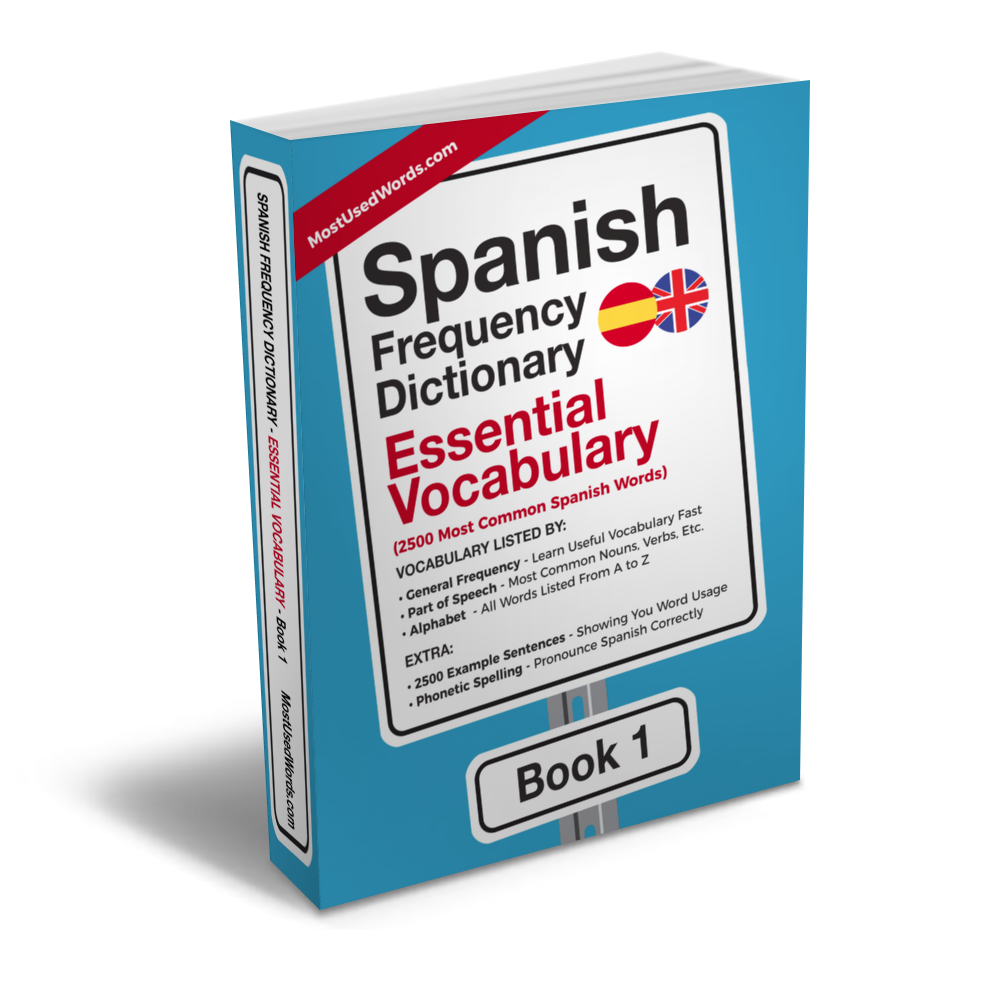
2,500 most common Spanish words with IPA pronunciation & bilingual example sentences
Meaning and Usage of "Tarde"
The word "tarde" (IPA: /ˈtaɾ.ðe/) refers to the period between noon and evening, typically from around 12:00 p.m. to 6:00 p.m., marking the transition from morning to night. It is widely used across Spanish-speaking countries for both formal and informal greetings.
In addition to its primary meaning of afternoon, "tarde" can also denote a positive atmospheric state during this time or refer to something being late in the day or at night. Moreover, it can imply that an event has occurred after the opportune moment.
Regional Variations and Cultural Context
Want to improve your Spanish?
The Spanish Frequency Dictionary series covers the 10,000 most common Spanish words — ranked by how often native speakers actually use them, with IPA pronunciation, English translations, and bilingual example sentences at every level.
Browse all 4 volumes →In Spanish-speaking countries, regional variations exist for afternoon greetings and expressions:
- Mediodía (IPA: /me.ðjoˈði.a/): This term translates to "midday" or "noon," but it can also refer to the early afternoon hours in some regions.
- Siesta (IPA: /ˈsjes.ta/): In Spain and certain Latin American countries, siesta is a traditional mid-afternoon break for rest and relaxation after lunch.
- Tardes (IPA: /ˈtar.des/): This plural form of "tarde" is commonly used in greetings like "buenas tardes," meaning "good afternoon."
The cultural context around these terms varies, with siesta being more prevalent in Spain and less common in other regions.
Sample Sentences Using "Tarde"
To help you practice using the word "tarde" in various contexts:
- ¡Buenas tardes! ¿Cómo estás?
(Good afternoon! How are you?)
- Me gusta pasear por el parque por las tardes.
(I enjoy walking in the park in the afternoons.)
- ¿Puedes llamarme esta tarde?
(Can you call me this afternoon?)
- Vamos a tomar un café esta tarde.
(Let's have coffee this afternoon.)
- ¿Cuál es tu plan para esta tarde?
(What are your plans for the afternoon?)
Build Your Spanish Vocabulary Systematically
The fastest way to grow your Spanish vocabulary is to start with the words you'll actually encounter every day. The Spanish Frequency Dictionary covers the 2,500 most common Spanish words, each with IPA pronunciation, an English translation, and bilingual example sentences.
Browse the full range of Spanish frequency dictionaries to find the volume that matches your level.