How to Say Adjectives in Spanish | Irregular & Comparative F
Updated for 2026, understanding how to say adjectives in Spanish is crucial for expanding your vocabulary and improving your language skills. Adjectives are words that describe or modify nouns or pronouns, and they must agree with the gender and number of the noun they describe.
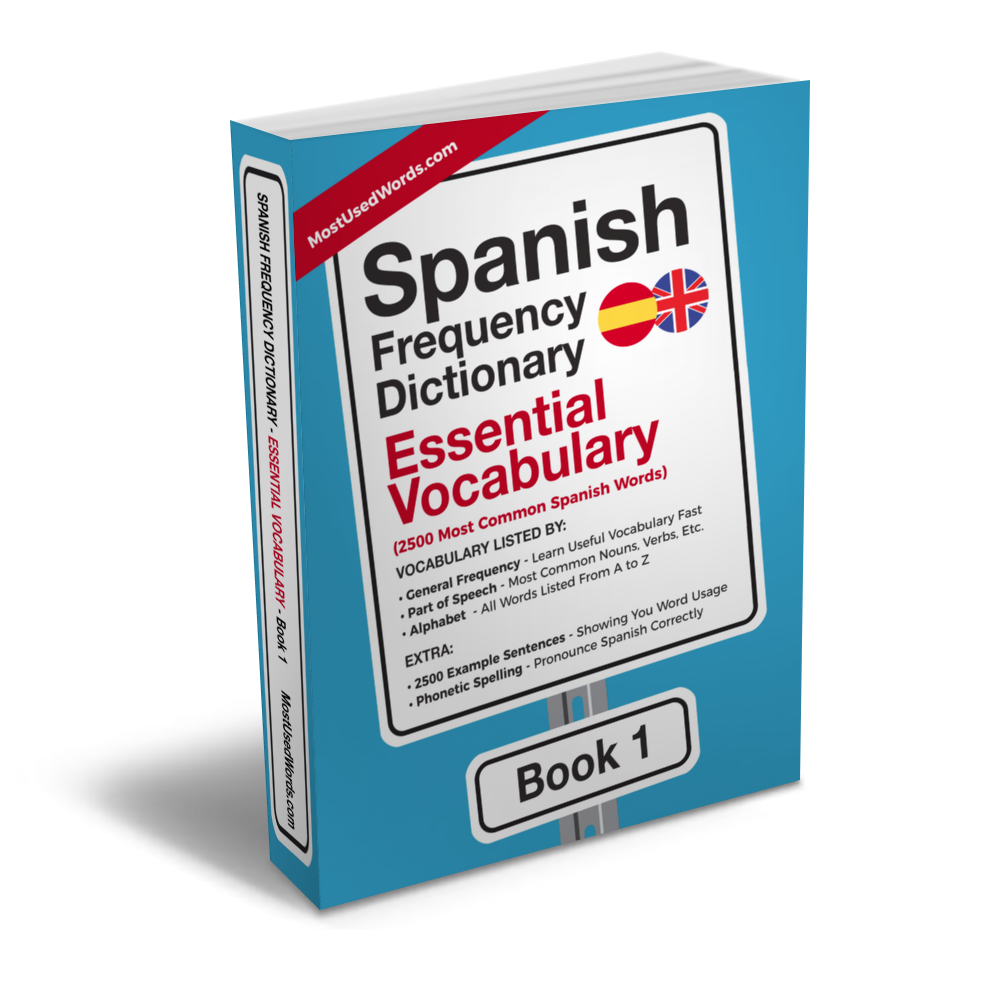
2,500 most common Spanish words with IPA pronunciation & bilingual example sentences
What Are Adjectives in Spanish?
In Spanish, adjectives provide additional information about a noun's size, color, shape, or appearance. They must match the gender (masculine or feminine) and number (singular or plural) of the noun they modify. For example:
- El coche rojo (The red car)
- La casa grande (The big house)
- El libro interesante (The interesting book)
Regional Differences in Adjective Usage
Want to improve your Spanish?
The Spanish Frequency Dictionary series covers the 10,000 most common Spanish words — ranked by how often native speakers actually use them, with IPA pronunciation, English translations, and bilingual example sentences at every level.
Browse all 4 volumes →Note that there are regional differences in the use of adjectives. In Spain, it is common to place adjectives after the noun, while in Latin America, they often precede the noun. Additionally, some adjectives may have different meanings or connotations depending on the region.
How to Use Adjectives in Spanish
To effectively use adjectives in Spanish, follow these tips:
- Agreement Rules: Ensure that your adjective agrees with the noun it modifies. For example, "la casa grande" uses the feminine singular form of "grande."
- Contextual Practice: Read or listen to Spanish-language media and observe how adjectives are used in various contexts.
- Adjective as Noun: In some Latin American countries, it is common to use adjectives as nouns. For example, "los pobres" refers to a group of people who are poor without specifying what they lack.
Irregular Adjectives in Spanish
Some adjectives do not follow standard conjugation rules and are considered irregular. Examples include:
- Bueno: Changes to "buen" when it precedes a masculine singular noun, such as "un buen chico."
- Malo: Becomes "mala" for feminine nouns.
Comparative and Superlative Forms of Adjectives
To compare two or more things, use comparative forms. For example:
- Más grande que: (Bigger than)
- El más grande: (The biggest)
Avoid Common Mistakes When Using Adjectives in Spanish
Be cautious of common errors such as forgetting to agree adjectives with their nouns or incorrectly forming comparative and superlative forms. Practice regularly to avoid these pitfalls.
Build Your Spanish Vocabulary Systematically
The fastest way to grow your Spanish vocabulary is to start with the words you'll actually encounter every day. The Spanish Frequency Dictionary covers the 2,500 most common Spanish words, each with IPA pronunciation, an English translation, and bilingual example sentences.
Browse the full range of Spanish frequency dictionaries to find the volume that matches your level.