

How to Conjugate Fallecer in Spanish | MostUsedWords.com
As of 2026, "fallecer" is a versatile Spanish verb used to describe someone passing away or dying. Whether you are learning Spanish as a beginner or looking to expand your conjugation skills, understanding how to properly use "fallecer" in various contexts and tenses is essential.

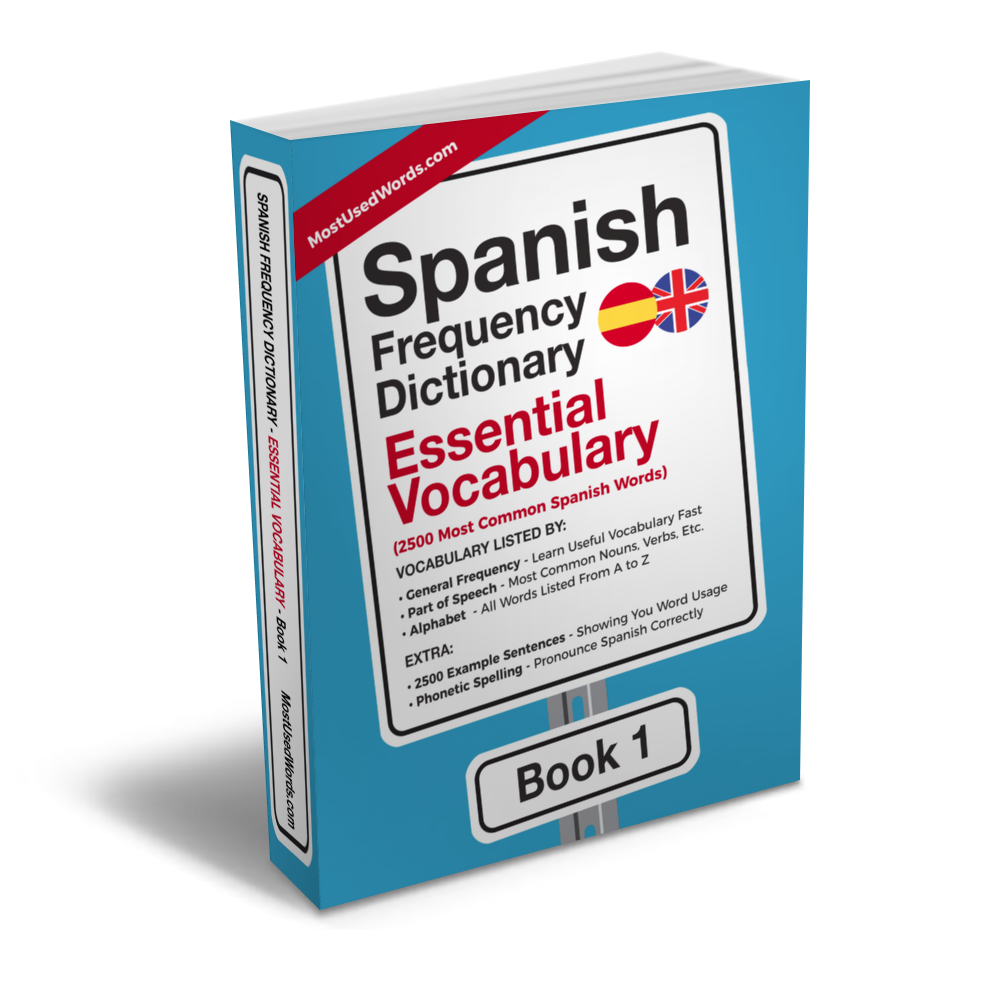
2,500 most common Spanish words with IPA pronunciation & bilingual example sentences
Forms of "Fallecer" in Spanish
In Spanish, verbs like "fallecer," which means to pass away or die, are highly versatile and can take on different forms based on the subject, mood, and tense. Understanding how to conjugate "fallecer" is crucial for expressing actions related to death accurately.
Indicative Mood: Simple Tenses
Want to improve your Spanish?
The Spanish Frequency Dictionary series covers the 10,000 most common Spanish words — ranked by how often native speakers actually use them, with IPA pronunciation, English translations, and bilingual example sentences at every level.
Browse the full series →Present
- Yo fallezco (I am dying)
- Tú falleces (You are dying)
- Él/Ella/Usted fallece (He/She is dying)
- Nosotros/Nosotras fallecemos (We are dying)
- Vosotros/Vosotras fallecéis (You all are dying)
- Ellos/Ellas/Ustedes fallecen (They are dying)
Imperfect Past
- Yo fallecía (I was dying)
- Tú fallecías (You were dying)
- Él/Ella/Usted fallecía (He/She was dying)
- Nosotros/Nosotras fallecíamos (We were dying)
- Vosotros/Vosotras fallecíais (You all were dying)
- Ellos/Ellas/Ustedes fallecían (They were dying)
Simple Past
- Yo fallecí (I died)
- Tú falleciste (You died)
- Él/Ella/Usted falleció (He/She died)
- Nosotros/Nosotras fallecimos (We died)
- Vosotros/Vosotras fallecisteis (You all died)
- Ellos/Ellas/Ustedes fallecieron (They died)
Future
- Yo falleceré (I will die)
- Tú fallecerás (You will die)
- Él/Ella/Usted fallecerá (He/She will die)
- Nosotros/Nosotras falleceremos (We will die)
- Vosotros/Vosotras falleceréis (You all will die)
- Ellos/Ellas/Ustedes fallecerán (They will die)
Indicative Mood: Perfect Tenses
Present Perfect
- Yo he fallecido (I have died)
- Tú has fallecido (You have died)
- Él/Ella/Usted ha fallecido (He/She has died)
- Nosotros/Nosotras hemos fallecido (We have died)
- Vosotros/Vosotras habéis fallecido (You all have died)
- Ellos/Ellas/Ustedes han fallecido (They have died)
Past Perfect
- Yo había fallecido (I had died)
- Tú habías fallecido (You had died)
- Él/Ella/Usted había fallecido (He/She had died)
- Nosotros/Nosotras habíamos fallecido (We had died)
- Vosotros/Vosotras habíais fallecido (You all had died)
- Ellos/Ellas/Ustedes habían fallecido (They had died)
Future Perfect
- Yo habré fallecido (I will have died)
- Tú habrás fallecido (You will have died)
- Él/Ella/Usted habrá fallecido (He/She will have died)
- Nosotros/Nosotras habremos fallecido (We will have died)
- Vosotros/Vosotras habréis fallecido (You all will have died)
- Ellos/Ellas/Ustedes habrán fallecido (They will have died)
Indicative Mood: Progressive Tenses
Present Progressive
- Yo estoy falleciendo (I am dying)
- Tú estás falleciendo (You are dying)
- Él/Ella/Usted está falleciendo (He/She is dying)
- Nosotros/Nosotras estamos falleciendo (We are dying)
- Vosotros/Vosotras estáis falleciendo (You all are dying)
- Ellos/Ellas/Ustedes están falleciendo (They are dying)
Past Progressive
- Yo estaba falleciendo (I was dying)
- Tú estabas falleciendo (You were dying)
- Él/Ella/Usted estaba falleciendo (He/She was dying)
- Nosotros/Nosotras estábamos falleciendo (We were dying)
- Vosotros/Vosotras estabais falleciendo (You all were dying)
- Ellos/Ellas/Ustedes estaban falleciendo (They were dying)
Subjunctive Mood: Simple Tenses
Present Subjunctive
- Yo fallezca (I may die)
- Tú fallezcas (You may die)
- Él/Ella/Usted fallezca (He/She may die)
- Nosotros/Nosotras fallezcamos (We may die)
- Vosotros/Vosotras fallezcáis (You all may die)
- Ellos/Ellas/Ustedes fallezcan (They may die)
Imperfect Subjunctive
- Yo falleciera/falleciese (I might have died)
- Tú fallecieras/fallecieses (You might have died)
- Él/Ella/Usted falleciera/falleciese (He/She might have died)
- Nosotros/Nosotras falleciéramos/falleciésemos (We might have died)
- Vosotros/Vosotras fallecierais/fallecieseis (You all might have died)
- Ellos/Ellas/Ustedes fallecieran/falleciesen (They might have died)
Subjunctive Mood: Perfect Tenses
Present Perfect Subjunctive
- Yo haya fallecido (I may have died)
- Tú hayas fallecido (You may have died)
- Él/Ella/Usted haya fallecido (He/She may have died)
- Nosotros/Nosotras hayamos fallecido (We may have died)
- Vosotros/Vosotras hayáis fallecido (You all may have died)
- Ellos/Ellas/Ustedes hayan fallecido (They may have died)
- "Se dice que el famoso falleció ayer." (It's said that the famous person died yesterday.)
- "El paciente está en cuidados intensivos y podría fallecer en cualquier momento." (The patient is in intensive care and could die at any moment.)
- "La noticia de su fallecimiento conmovió a todos." (News of his passing moved everyone.)
Comparison with Other Verbs
"Fallecer" is often used interchangeably with "morir," but there are subtle differences in usage. While both mean to die, "fallecer" tends to be more formal and less direct than "morir." Additionally, "dejar de vivir" can also convey the idea of passing away but is typically used in a more philosophical or literary context.
Common Phrases Using 'Fallecer'

Frequently Asked Questions
What is the difference between "fallecer" and "morir"?
"Fallecer" is more formal and often used in official contexts like news reports or legal documents. "Morir," on the other hand, is a direct term for dying and can be used in both casual and formal settings.
Can you use "dejar de vivir" instead of "fallecer"?
"Dejar de vivir" can also mean to die but it's more often used metaphorically or in a literary context. It is less common in everyday conversation compared to "fallecer" and "morir."
How do you use the subjunctive mood with "fallecer"?
The subjunctive form of "fallecer" is used when expressing doubt, possibility, or uncertainty about someone dying. For example: "Espero que no fallezca." (I hope he/she doesn't die.)
Build Your Spanish Vocabulary Systematically
The fastest way to grow your Spanish vocabulary is to start with the words you'll actually encounter every day. The Spanish Frequency Dictionary covers the 2,500 most common Spanish words, each with IPA pronunciation, an English translation, and bilingual example sentences.
Browse the full range of Spanish frequency dictionaries to find the volume that matches your level.