

Conjugating Entrenar in Spanish - MostUsedWords.com
As of 2026, "entrenar" is a versatile Spanish verb used to express the action of coaching or training someone in various contexts. Whether you are learning Spanish as a beginner or looking to expand your conjugation skills, understanding how to properly conjugate "entrenar" is essential.
Entrenar is a regular -AR verb that means “to train” or “to coach.” It’s commonly used in sports contexts but also applies to professional training and personal development. This article will provide you with comprehensive conjugation charts for all the main tenses and moods of entrenar, along with real-life examples and comparisons to similar verbs.
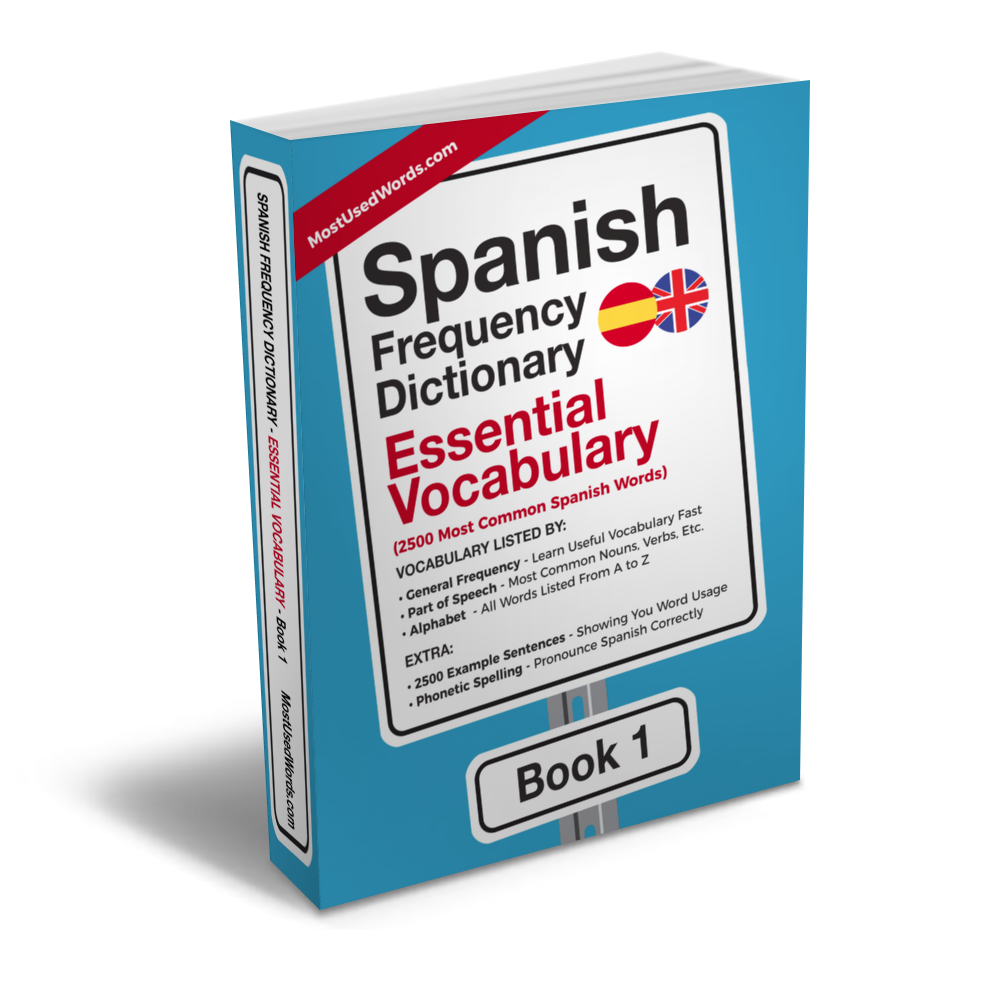
2,500 most common Spanish words with IPA pronunciation & bilingual example sentences
Forms of "Entrenar" in Spanish
In Spanish, verbs play a fundamental role in expressing actions, states, and conditions. Verbs are highly versatile and can take on different forms based on the subject, mood, and tense. The conjugation moods in Spanish include the indicative, subjunctive, and imperative. When it comes to tenses in Spanish, they indicate the time and duration of an action. Tenses include the present, preterite, imperfect, future, imperative, and conditional.
Indicative Mood: Simple Tenses
Want to improve your Spanish?
The Spanish Frequency Dictionary series covers the 10,000 most common Spanish words — ranked by how often native speakers actually use them, with IPA pronunciation, English translations, and bilingual example sentences at every level.
Browse the full series →Present:
- Yo entreno
- Tú entrenas
- Él/Ella/Usted entrena
- Nosotros/Nosotras entrenamos
- Vosotros/Vosotras entrenáis
- Ellos/Ellas/Ustedes entrenan
Imperfect Past:
- Yo entrenaba
- Tú entrenabas
- Él/Ella/Usted entrenaba
- Nosotros/Nosotras entrenábamos
- Vosotros/Vosotras entrenabais
- Ellos/Ellas/Ustedes entrenaban
Simple Past:
- Yo entrené
- Tú entrenaste
- Él/Ella/Usted entrenó
- Nosotros/Nosotras entrenamos
- Vosotros/Vosotras entrenasteis
- Ellos/Ellas/Ustedes entrenaron
Future:
- Yo entrenaré
- Tú entrenarás
- Él/Ella/Usted entrenará
- Nosotros/Nosotras entrenaremos
- Vosotros/Vosotras entrenaréis
- Ellos/Ellas/Ustedes entrenarán
Note: Entrenar is a regular -AR verb, but it’s important to remember that some verbs with similar endings may be irregular. For example, “preparar” (to prepare) follows different conjugation rules in the preterite tense.
Indicative Mood: Perfect Tenses
Present Perfect:
- Yo he entrenado
- Tú has entrenado
- Él/Ella/Usted ha entrenado
- Nosotros/Nosotras hemos entrenado
- Vosotros/Vosotras habéis entrenado
- Ellos/Ellas/Ustedes han entrenado
Past Perfect:
- Yo había entrenado
- Tú habías entrenado
- Él/Ella/Usted había entrenado
- Nosotros/Nosotras habíamos entrenado
- Vosotros/Vosotras habíais entrenado
- Ellos/Ellas/Ustedes habían entrenado
Future Perfect:
- Yo habré entrenado
- Tú habrás entrenado
- Él/Ella/Usted habrá entrenado
- Nosotros/Nosotras habremos entrenado
- Vosotros/Vosotras habréis entrenado
- Ellos/Ellas/Ustedes habrán entrenado
Note: The present perfect tense is often used to describe actions that started in the past and continue into the present. For example, “He estado entrenando desde hace dos semanas.” (I have been training for two weeks.)
Indicative Mood: Progressive Tenses
Present Progressive:
- Yo estoy entrenando
- Tú estás entrenando
- Él/Ella/Usted está entrenando
- Nosotros/Nosotras estamos entrenando
- Vosotros/Vosotras estáis entrenando
- Ellos/Ellas/Ustedes están entrenando
Past Progressive:
- Yo estaba entrenando
- Tú estabas entrenando
- Él/Ella/Usted estaba entrenando
- Nosotros/Nosotras estábamos entrenando
- Vosotros/Vosotras estabais entrenando
- Ellos/Ellas/Ustedes estaban entrenando
Note: The present progressive is used to describe actions happening at the moment of speaking. For example, “Estoy entrenando para el próximo torneo.” (I am training for the next tournament.)
Subjunctive Mood: Simple Tenses
Present Subjunctive:
- Yo entrene
- Tú entrenes
- Él/Ella/Usted entrene
- Nosotros/Nosotras entrenemos
- Vosotros/Vosotras entrenéis
- Ellos/Ellas/Ustedes entrenen
Imperfect Subjunctive:
- Yo entrenara
- Tú entrenaras
- Él/Ella/Usted entrenara
- Nosotros/Nosotras entrenáramos
- Vosotros/Vosotras entrenarais
- Ellos/Ellas/Ustedes entrenaran
Note: The subjunctive mood is used to express doubt, wishes, or hypothetical situations. For example, “Espero que él entrene todos los días.” (I hope he trains every day.)
Subjunctive Mood: Perfect Tenses
Present Perfect Subjunctive:
- Yo haya entrenado
- Tú hayas entrenado
- Él/Ella/Usted haya entrenado
- Nosotros/Nosotras hayamos entrenado
- Vosotros/Vosotras hayáis entrenado
- Ellos/Ellas/Ustedes hayan entrenado
Note: The present perfect subjunctive is used to express actions that have already happened but are still relevant. For example, “Es importante que él haya entrenado antes del partido.” (It’s important that he trained before the game.)
Common Mistakes When Conjugating "Entrenar"
One common mistake is confusing the subjunctive and indicative moods. For example, “Espero que él entrena todos los días” (incorrect) should be “Espero que él entrene todos los días.” Another frequent error is using the wrong tense for progressive actions. Remember to use the present progressive form when describing ongoing activities.
Uses of "Entrenar" in Real-Life Scenarios
“Entrenar” can be used in various contexts, such as sports training, professional development, and personal fitness. For example:
- El entrenador de fútbol entrena a los jugadores todos los días. (The soccer coach trains the players every day.)
- La empresa contrata un experto para entrenar a sus empleados en habilidades de liderazgo. (The company hires an expert to train its employees in leadership skills.)
- Mi hermano entrena dos veces por semana para mejorar su condición física. (My brother trains twice a week to improve his physical condition.)
Compare this with similar verbs like “ejercitar,” which means “to exercise.” For example, “Ejercicio regular es importante para mantenerse en forma.” (Regular exercise is important to stay in shape).
Frequently Asked Questions
What does "entrenar" mean?
"Entrenar" means "to train" or "to coach." It’s used when someone teaches, prepares, or instructs another person to improve their skills.
Is "entrenar" a regular verb?
Yes, "entrenar" is a regular -AR verb. However, it's important to be aware of irregular verbs with similar endings that follow different conjugation rules.
When should I use the subjunctive mood for "entrenar"?
The subjunctive mood is used when expressing doubt, wishes, or hypothetical situations related to training. For example, “Espero que él entrene todos los días.” (I hope he trains every day.)
Build Your Spanish Vocabulary Systematically
The fastest way to grow your Spanish vocabulary is to start with the words you'll actually encounter every day. The Spanish Frequency Dictionary covers the 2,500 most common Spanish words, each with IPA pronunciation, an English translation, and bilingual example sentences.
Browse the full range of Spanish frequency dictionaries to find the volume that matches your level.

Take a look at our series of frequency dictionaries to learn Spanish words fast. Stop learning hard, and start learning smart!