

How to Conjugate Descansar in Spanish - MostUsedWords.com
Updated for 2026, Descansar is a versatile Spanish verb that means "to rest." Whether you're a beginner or an intermediate learner, mastering the conjugation of this essential word will significantly enhance your vocabulary and conversational skills.
In Spanish, verbs like descansar are crucial for expressing actions such as resting. Understanding how to properly conjugate "descansar" in various tenses and moods is essential for effective communication. This article provides a detailed guide on the conjugation of descansar, including audio pronunciations, interactive quizzes, and common phrases.
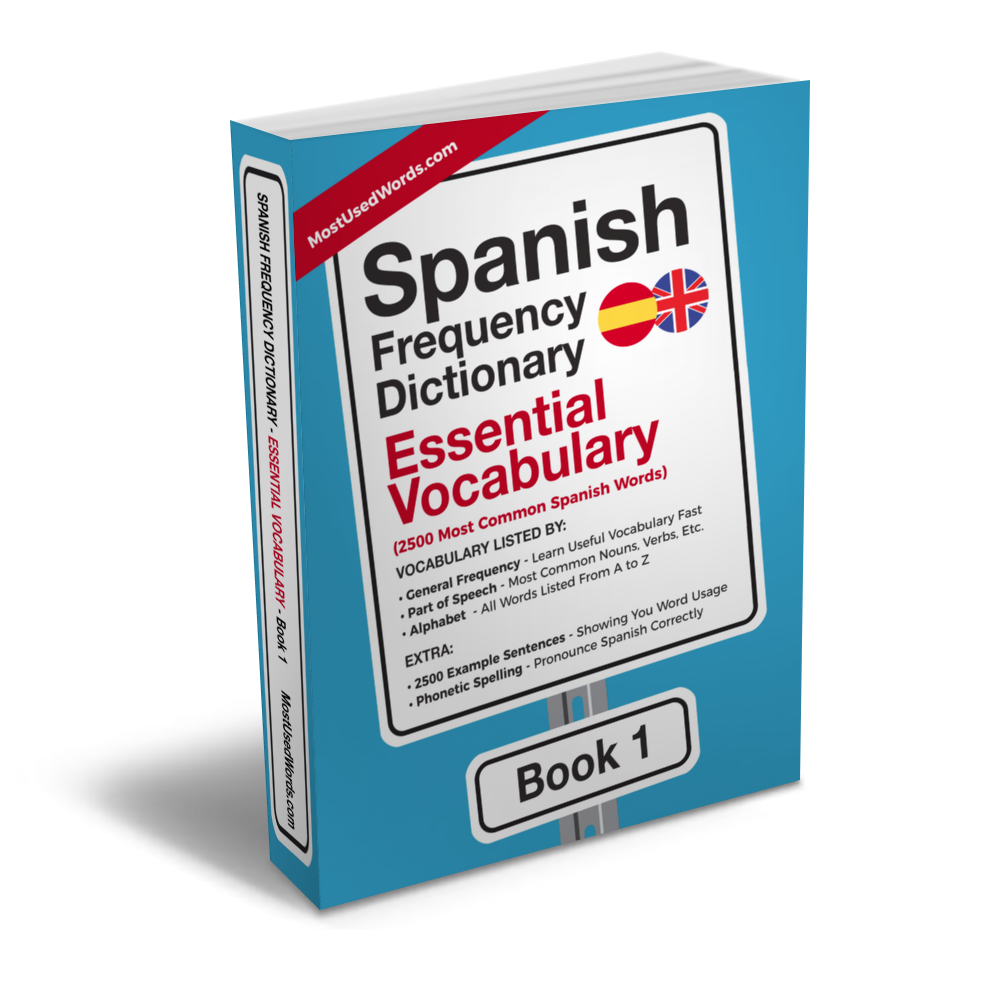
2,500 most common Spanish words with IPA pronunciation & bilingual example sentences
Forms of "Descansar" in Spanish
In Spanish, verbs are highly versatile and can take different forms based on the subject, mood, and tense. The moods of conjugation include indicative, subjunctive, and imperative. Tenses indicate the time and duration of an action, including present, preterite, imperfect, future, conditional, and progressive.
Indicative Mood: Simple Tenses
Want to improve your Spanish?
The Spanish Frequency Dictionary series covers the 10,000 most common Spanish words — ranked by how often native speakers actually use them, with IPA pronunciation, English translations, and bilingual example sentences at every level.
Browse the full series →Present
- Yo descanso (I rest)
- Tú descansas (You rest - informal singular)
- Él/Ella/Usted descansa (He/She rests or You rest - formal singular)
- Nosotros/Nosotras descansamos (We rest)
- Vosotros/Vosotras descansáis (You all rest - informal plural)
- Ellos/Ellas/Ustedes descansan (They rest or You all rest - formal plural)
Imperfect Past
- Yo descansaba (I used to rest)
- Tú descansabas (You used to rest - informal singular)
- Él/Ella/Usted descansaba (He/She used to rest or You used to rest - formal singular)
- Nosotros/Nosotras descansábamos (We used to rest)
- Vosotros/Vosotras descansabais (You all used to rest - informal plural)
- Ellos/Ellas/Ustedes descansaban (They used to rest or You all used to rest - formal plural)
Simple Past
- Yo descansé (I rested)
- Tú descansaste (You rested - informal singular)
- Él/Ella/Usted descansó (He/She rested or You rested - formal singular)
- Nosotros/Nosotras descansamos (We rested)
- Vosotros/Vosotras descansasteis (You all rested - informal plural)
- Ellos/Ellas/Ustedes descansaron (They rested or You all rested - formal plural)
Future
- Yo descansaré (I will rest)
- Tú descansarás (You will rest - informal singular)
- Él/Ella/Usted descansará (He/She will rest or You will rest - formal singular)
- Nosotros/Nosotras descansaremos (We will rest)
- Vosotros/Vosotras descansaréis (You all will rest - informal plural)
- Ellos/Ellas/Ustedes descansarán (They will rest or You all will rest - formal plural)
Indicative Mood: Perfect Tenses
Present Perfect
- Yo he descansado (I have rested)
- Tú has descansado (You have rested - informal singular)
- Él/Ella/Usted ha descansado (He/She has rested or You have rested - formal singular)
- Nosotros/Nosotras hemos descansado (We have rested)
- Vosotros/Vosotras habéis descansado (You all have rested - informal plural)
- Ellos/Ellas/Ustedes han descansado (They have rested or You all have rested - formal plural)
Past Perfect
- Yo había descansado (I had rested)
- Tú habías descansado (You had rested - informal singular)
- Él/Ella/Usted había descansado (He/She had rested or You had rested - formal singular)
- Nosotros/Nosotras habíamos descansado (We had rested)
- Vosotros/Vosotras habíais descansado (You all had rested - informal plural)
- Ellos/Ellas/Ustedes habían descansado (They had rested or You all had rested - formal plural)
Future Perfect
- Yo habré descansado (I will have rested)
- Tú habrás descansado (You will have rested - informal singular)
- Él/Ella/Usted habrá descansado (He/She will have rested or You will have rested - formal singular)
- Nosotros/Nosotras habremos descansado (We will have rested)
- Vosotros/Vosotras habréis descansado (You all will have rested - informal plural)
- Ellos/Ellas/Ustedes habrán descansado (They will have rested or You all will have rested - formal plural)
Indicative Mood: Progressive Tenses
Present Progressive
- Yo estoy descansando (I am resting)
- Tú estás descansando (You are resting - informal singular)
- Él/Ella/Usted está descansando (He/She is resting or You are resting - formal singular)
- Nosotros/Nosotras estamos descansando (We are resting)
- Vosotros/Vosotras estáis descansando (You all are resting - informal plural)
- Ellos/Ellas/Ustedes están descansando (They are resting or You all are resting - formal plural)
Past Progressive
- Yo estaba descansando (I was resting)
- Tú estabas descansando (You were resting - informal singular)
- Él/Ella/Usted estaba descansando (He/She was resting or You were resting - formal singular)
- Nosotros/Nosotras estábamos descansando (We were resting)
- Vosotros/Vosotras estabais descansando (You all were resting - informal plural)
- Ellos/Ellas/Ustedes estaban descansando (They were resting or You all were resting - formal plural)
Subjunctive Mood: Simple Tenses
Present Subjunctive
- Yo descanse (I rest)
- Tú descanses (You rest - informal singular)
- Él/Ella/Usted descanse (He/She rests or You rest - formal singular)
- Nosotros/Nosotras descansemos (We rest)
- Vosotros/Vosotras descanséis (You all rest - informal plural)
- Ellos/Ellas/Ustedes descansen (They rest or You all rest - formal plural)
Imperfect Subjunctive
- Yo descansara (I would rest)
- Tú descansaras (You would rest - informal singular)
- Él/Ella/Usted descansara (He/She would rest or You would rest - formal singular)
- Nosotros/Nosotras descansáramos (We would rest)
- Vosotros/Vosotras descansarais (You all would rest - informal plural)
- Ellos/Ellas/Ustedes descansaran (They would rest or You all would rest - formal plural)
Subjunctive Mood: Perfect Tenses
Present Perfect Subjunctive
- Yo haya descansado (I have rested)
- Tú hayas descansado (You have rested - informal singular)
- Yo descanso (I rest)
- Tú descansas (You rest - informal singular)
- Él/Ella/Usted descansa (He/She rests or You rest - formal singular)
- Yo descansé (I rested)
- Tú descansaste (You rested - informal singular)
- Él/Ella/Usted descansó (He/She rested or You rested - formal singular)
- Yo descanse (I rest)
- Tú descanses (You rest - informal singular)
- Él/Ella/Usted descanse (He/She rests or You rest - formal singular)
Frequently Asked Questions
How do you conjugate "descansar" in the present tense?
The present tense of descansar is used to describe actions happening now. Here are some examples:
What is the past tense of "descansar"?
The simple past tense of descansar describes actions that happened in the past. Here are some examples:
How do you use "descansar" in the subjunctive mood?
The present subjunctive of descansar is used to express doubt, desire, necessity, or uncertainty. Here are some examples:
Build Your Spanish Vocabulary Systematically
The fastest way to grow your Spanish vocabulary is to start with the words you'll actually encounter every day. The Spanish Frequency Dictionary covers the 2,500 most common Spanish words, each with IPA pronunciation, an English translation, and bilingual example sentences.
Browse the full range of Spanish frequency dictionaries to find the volume that matches your level.