Learn How to Say Beautiful in German - MostUsedWords.com
As of 2026, when learning German, one of the first words you might want to know is "beautiful," which translates to schön. In German, this versatile adjective can be used to describe people, places, objects, and abstract concepts. Pronounced [ʃœn], knowing how to describe beauty in another language can open up new ways to appreciate art, nature, and culture. Let's dive into more about beautiful in german.
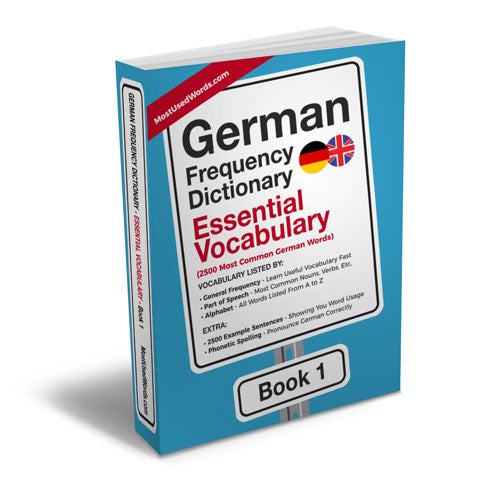
2,500 most common German words with IPA pronunciation & bilingual example sentences
The Basics of "Beautiful" in German
Schön, the German word for beautiful, is a versatile adjective that can be used to describe people, places, objects, and even abstract concepts. It's one of those words that rolls off the tongue easily and sounds elegant when spoken.
How to Use "Schön" in Sentences
Want to improve your German?
The German Frequency Dictionary series covers the 10,000 most common German words — ranked by how often native speakers actually use them, with IPA pronunciation, English translations, and bilingual example sentences at every level.
Browse all 4 volumes →To use Schön correctly, it’s important to understand its grammatical role as an adjective. In German, adjectives change their endings depending on the gender, number, and case of the noun they describe. Here are some examples:
| Noun | Gender/Case | Schön with Ending | English Translation |
|---|---|---|---|
| Haus (house) | Dativ Plural | schönen | The beautiful houses |
| Mädchen (girl) | Nominative Singular | schoen | The beautiful girl |
| Bild (picture) | Dativ Singular | schoenen | Of the beautiful picture |
Variations and Synonyms for "Beautiful" in German
While Schön is commonly used, there are other words that can convey similar meanings depending on context. Here’s a list of some alternatives:
- Schöner (more beautiful): Used to compare two things.
- Hübsch (cute or pretty): Often used for people, especially in informal settings.
- Wunderschön (wonderfully beautiful): An intensified form of schön, emphasizing the beauty even more.
Common Phrases with "Schön" in German
Incorporating Schön into common phrases can help you sound more natural when speaking German. Here are a few examples:
| German Phrase | IPA Pronunciation | English Translation |
|---|---|---|
| Schönen Tag! (Have a nice day!) | [ˈʃœnə taːk] | |
| Es ist schön hier. (It's beautiful here.) | [ɛs ɪst ˈʃœn hiːɐ̯] | |
| Schönes Wetter! (What nice weather!) | [ˈʃœnəs ˈvɛtɐ] |
Learning More German Adjectives for Describing Beauty and Beyond
Once you've mastered Schön, there are many other adjectives to explore that can help you describe beauty in more nuanced ways. Here’s a selection:
- Anmutig (graceful): Describes elegance and poise.
- Atemberaubend (breath-taking): Used for stunning scenery or breathtaking moments.
- Elegant (elegant): Conveys a sense of refinement and sophistication.
Practice Makes Perfect: Exercises to Master "Beautiful in German"
To really get comfortable with using Schön, try these exercises:
- Translation Challenge: Translate sentences from English that use the word “beautiful” into German.
- Vocabulary Expansion: Learn synonyms and related words to broaden your vocabulary around beauty, such as "hübsch" or "wunderschön."
- Conversation Practice: Use Schön in conversations or write short stories incorporating it.
Cultural Insights: The Role of Beauty in German Culture
In Germany, as in many cultures, the concept of beauty is deeply intertwined with art, literature, and philosophy. Understanding how Germans perceive beauty can enrich your appreciation of their culture:
- Art: German museums like the Alte Nationalgalerie in Berlin are filled with works that embody different notions of beauty.
- Literature: Poets such as Goethe and Schiller often explored themes of beauty in their writings, reflecting on its philosophical significance. For example, Goethe's "Faust" delves into the complexities of beauty and morality.
Conclusion: Embrace the Beauty of German Language Learning
Mastery of words like Schön, along with other essential adjectives, can greatly enhance your ability to express yourself fluently and naturally in German. Whether you're describing a stunning landscape or expressing admiration for someone's elegance, knowing how to use these words will enrich your language skills.
Build Your German Vocabulary Systematically
The fastest way to grow your German vocabulary is to start with the words you'll actually encounter every day. The German Frequency Dictionary covers the 7,500 most common German words, each with IPA pronunciation, an English translation, and bilingual example sentences.
Browse the full range of German frequency dictionaries to find the volume that matches your level.