

What is the Meaning of Bendiga in Spanish? - MostUsedWords.c
As of 2026, if you are delving into the Spanish language, you might come across the intriguing term "bendiga." In this article, we will uncover the meaning of "bendiga" in Spanish, explore its various usages, delve into its etymology, and provide sample sentences to help you practice. Whether you're a language enthusiast or simply curious about this word, we have got you covered!

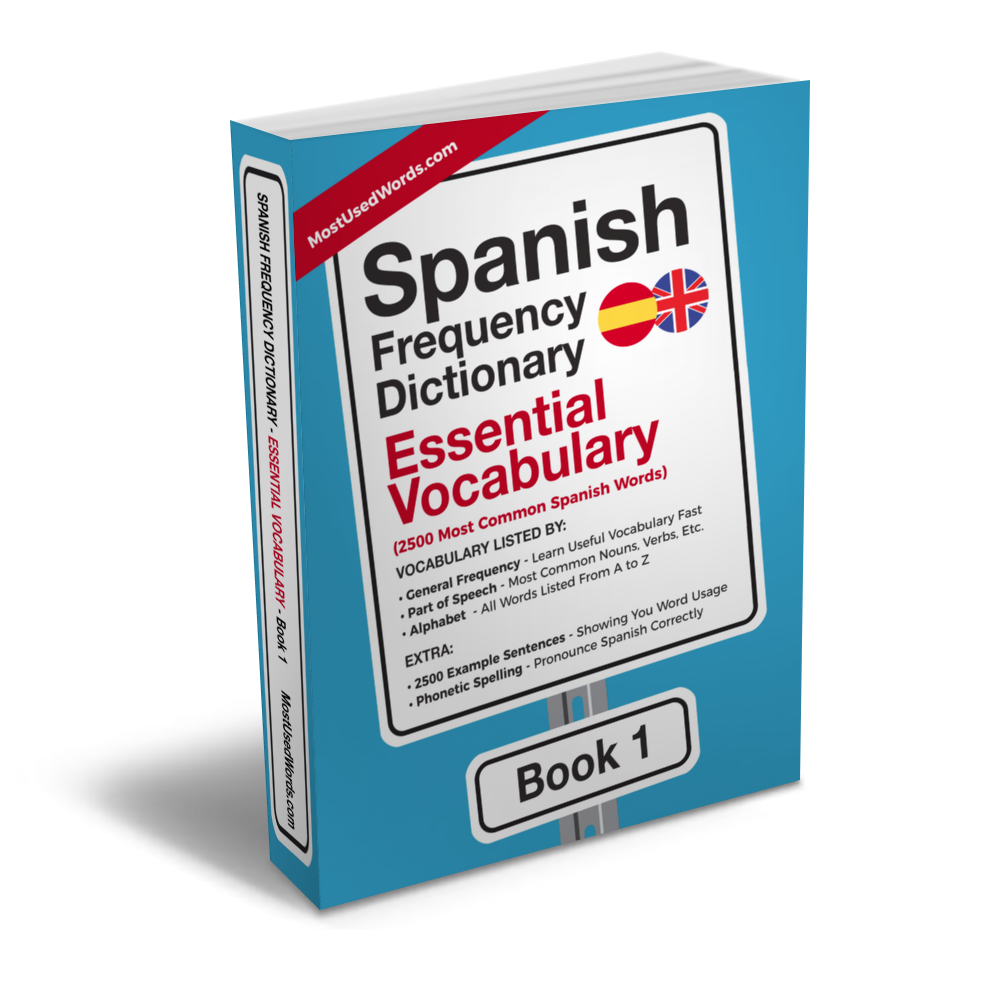
2,500 most common Spanish words with IPA pronunciation & bilingual example sentences
What is the Meaning of "Bendiga" in Spanish?
Bendiga (IPA: /benˈdiɡa/) is a Spanish verb that comes from the root word bendecir (IPA: /benˈdeθir/), which means "to bless." The term "bendiga" specifically corresponds to the third-person singular form of the present subjunctive tense, often used in prayers or wishes for blessings. Understanding its etymology can provide deeper insight into how and why it is used.
Etymology of Bendiga
Want to improve your Spanish?
The Spanish Frequency Dictionary series covers the 10,000 most common Spanish words — ranked by how often native speakers actually use them, with IPA pronunciation, English translations, and bilingual example sentences at every level.
Browse the full series →The word "bendiga" originates from the Latin verb benedicere, meaning to bless, praise, or speak well of someone. Over time, this evolved into the Spanish verb "bendecir," and subsequently, its subjunctive form "bendiga."
Usage of Bendiga in Non-Religious Contexts
While "bendiga" is commonly used in religious contexts, it can also be employed in non-religious settings. For instance, it might be used to express good wishes or gratitude without any overtly spiritual connotations.
Common Phrases and Idioms with Bendiga
"Bendiga" often appears in common phrases such as "Que Dios te bendiga," which means "May God bless you." Additionally, it can be used to express hope or well-wishes in various situations. For example, "Espero que todo te vaya bien, que Dios te bendiga" translates to "I hope everything goes well for you, may God bless you."
Usage of Bendiga in Spanish
Blessings and Well-wishing: In Spanish-speaking cultures, "bendiga" is commonly used to offer blessings or well-wishes to someone. It is often employed in formal or religious contexts.
- In religious ceremonies, priests may use "bendiga" to convey blessings upon the congregation.
- Some regions also use it as an expression of gratitude, similar to saying "thank you."

Take a look at our series of frequency dictionaries to learn Spanish words fast. Stop learning hard, and start learning smart!
Sample Sentences of Bendiga in Spanish with English Translations
To help you grasp the usage of "bendiga" in practical contexts, here are five sample sentences:
- Que Dios te bendiga.
(May God bless you.)
- Le pido a Dios que los bendiga a todos.
(I ask God to bless you all.)
- Agradezco mucho su amabilidad. ¡Que Dios lo bendiga!
(I greatly appreciate your kindness. God bless you!)
- Espero que todo te vaya bien, que Dios te bendiga.
(I hope everything goes well for you, may God bless you.)
- ¡Bendita sea esta comida!
(Blessed be this food!)

Frequently Asked Questions
What is the etymology of "bendiga"?
The word "bendiga" comes from the Latin verb benedicere, meaning to bless, praise, or speak well of someone. Over time, this evolved into the Spanish verb "bendecir," and subsequently, its subjunctive form "bendiga."
Can "bendiga" be used in non-religious contexts?
Yes, while it is commonly used in religious settings, "bendiga" can also be employed to express good wishes or gratitude without any overtly spiritual connotations.
What are some common phrases with "bendiga"?
"Bendiga" often appears in common phrases such as "Que Dios te bendiga," which means "May God bless you." Additionally, it can be used to express hope or well-wishes in various situations.
Build Your Spanish Vocabulary Systematically
The fastest way to grow your Spanish vocabulary is to start with the words you'll actually encounter every day. The Spanish Frequency Dictionary covers the 2,500 most common Spanish words, each with IPA pronunciation, an English translation, and bilingual example sentences.
Browse the full range of Spanish frequency dictionaries to find the volume that matches your level.