How to Say Wrist in Spanish - MostUsedWords.com
As of 2026, the word "wrist" translates to muñeca in Spanish. This term is widely used across most Spanish-speaking regions, including Spain, Latin America, and the Caribbean.

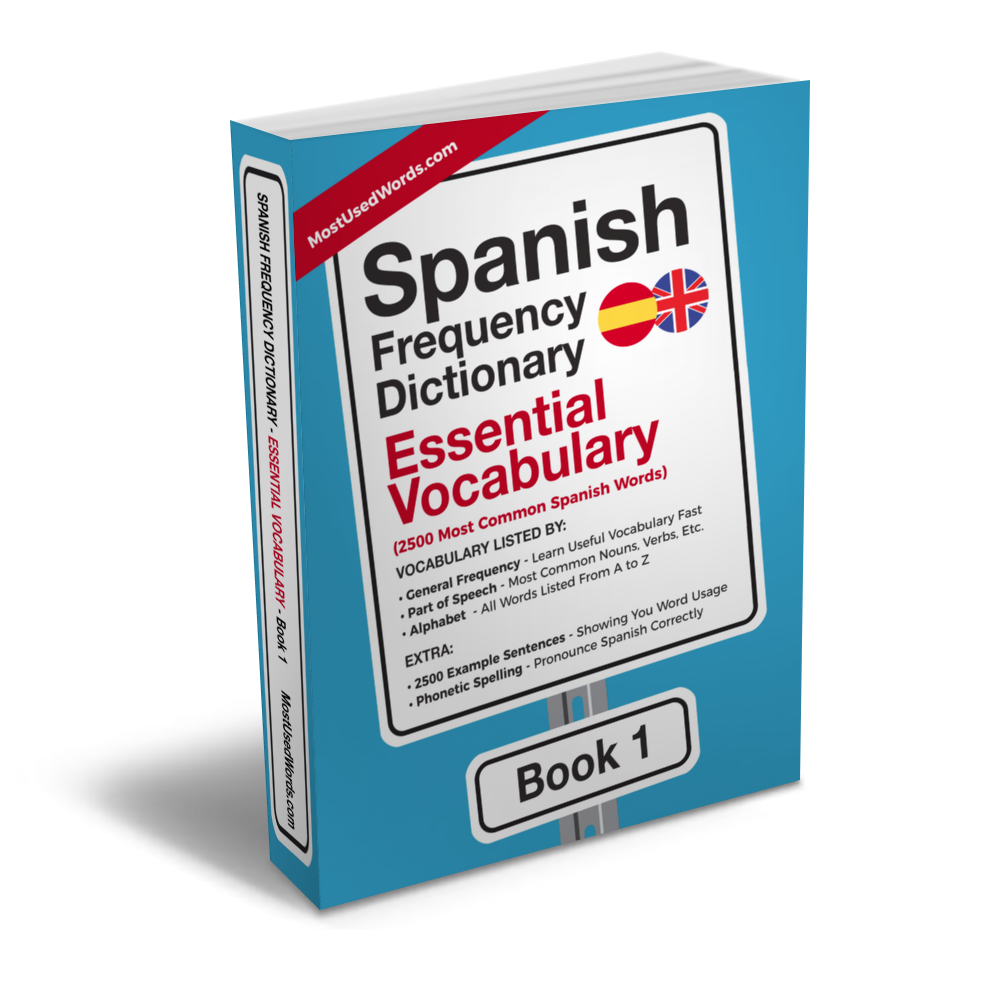
2,500 most common Spanish words with IPA pronunciation & bilingual example sentences
How to Say Wrist in Spanish
The word for "wrist" in Spanish is muñeca (IPA: /muˈɲeka/). This term, pronounced as mu-NE-yeh-kah, refers specifically to the joint that connects the hand and forearm. In certain Latin American countries, however, "muñeca" can also mean "doll," highlighting the delicate nature of the wrist.
Regional Variations in Spanish
Want to improve your Spanish?
The Spanish Frequency Dictionary series covers the 10,000 most common Spanish words — ranked by how often native speakers actually use them, with IPA pronunciation, English translations, and bilingual example sentences at every level.
Browse all 4 volumes →While "muñeca" is widely used across most regions, there are slight regional variations:
- In Mexico: You might hear carpeta (IPA: /karˈpeta/), pronounced as kar-PE-tah.
- In Argentina: The term pulso (IPA: /ˈpulso/), pronounced as POOL-so, is also recognized and understood.
- In Spain: While "muñeca" is common, in some regions like Andalusia, you may come across the word manilla (IPA: /maˈniʎa/) , pronounced as ma-NE-yah.
Common Phrases and Idioms Related to Wrist
In addition to basic usage, "muñeca" can appear in various idiomatic expressions. For instance:
- Tener la muñeca torcida: To have a sprained wrist.
- Mover la muñeca con gracia: To move the wrist gracefully, often used metaphorically to describe someone's skillful actions.
How to Say Wrist in Spanish: Sample Sentences
Here are five sample sentences you can use:
- Tengo un dolor en la muñeca.
(I have a pain in my wrist.)
- Ella lleva una pulsera en la muñeca.
(She is wearing a bracelet on her wrist.)
- ¿Sabes cómo mover la muñeca correctamente?
(Do you know how to move your wrist correctly?)
- El jugador de tenis se lastimó la muñeca durante el partido.
(The tennis player injured his wrist during the match.)
- Mi abuela tiene un reloj antiguo en la muñeca.
(My grandmother has an antique watch on her wrist.)
Build Your Spanish Vocabulary Systematically
The fastest way to grow your Spanish vocabulary is to start with the words you'll actually encounter every day. The Spanish Frequency Dictionary covers the 2,500 most common Spanish words, each with IPA pronunciation, an English translation, and bilingual example sentences.
Browse the full range of Spanish frequency dictionaries to find the volume that matches your level.