How to Say Weather in Spanish | MostUsedWords.com
Updated for 2026, learning how to discuss the weather is a fundamental skill when starting to learn Spanish. The term "weather" translates to "tiempo", but context is crucial as it also means "time."
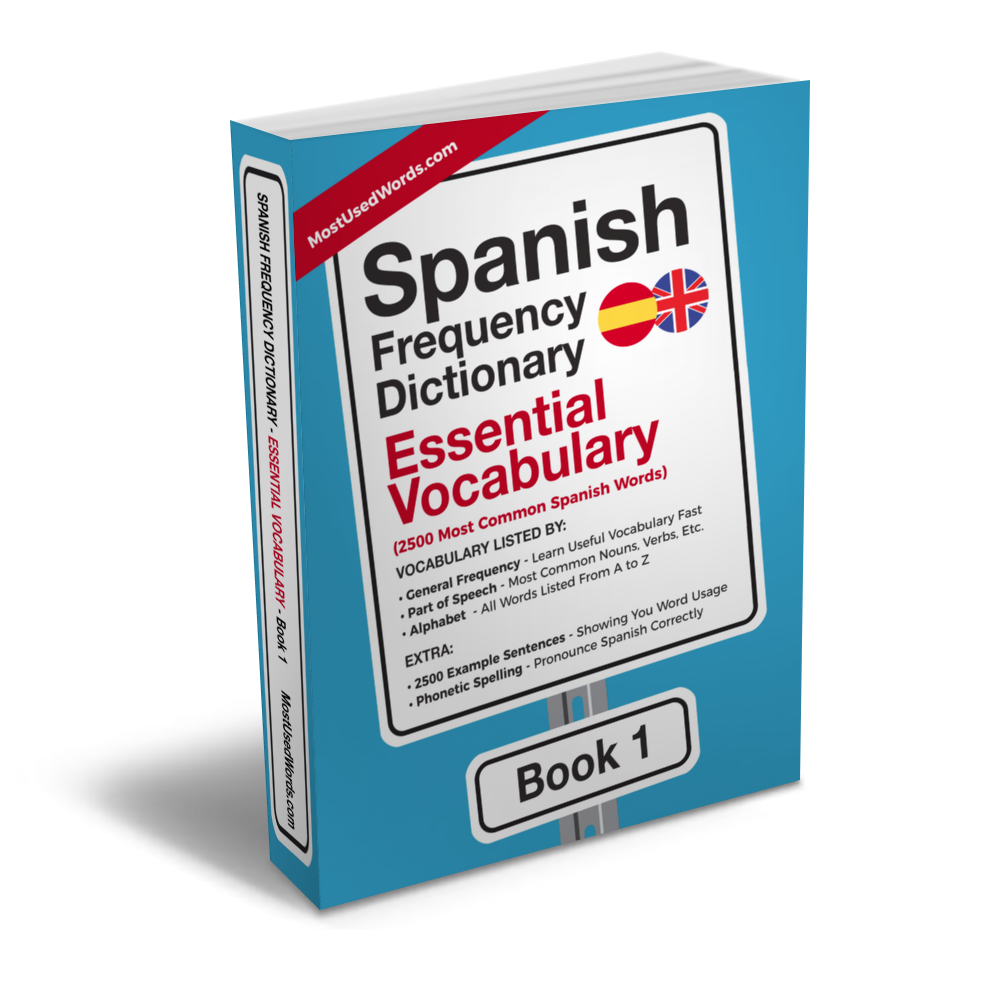
2,500 most common Spanish words with IPA pronunciation & bilingual example sentences
How to Describe Weather in Spanish
In addition to basic vocabulary like "Hace calor" (It's hot) and "Hace frío" (It's cold), understanding how to describe extreme weather conditions is essential. For instance, you might need phrases such as "Hay un viento huracanado" (There’s a hurricane-force wind).
Extreme Weather Conditions in Spanish
Want to improve your Spanish?
The Spanish Frequency Dictionary series covers the 10,000 most common Spanish words — ranked by how often native speakers actually use them, with IPA pronunciation, English translations, and bilingual example sentences at every level.
Browse all 4 volumes →When discussing severe weather, it's important to know specific terms:
- Hurricane: Tifón o Huracán (IPA: /ˈtifi̯on/)
- Flood: Inundación (IPA: /inunˈdasaŋ/)
- Drought: Secas (IPA: /ˈsekas/)
Long-Term Climate Trends in Spanish
To discuss long-term climate trends, use phrases like "Hay un cambio climático global" (There is a global climate change).
Regional Differences in Weather Vocabulary
Vocabulary for weather can vary significantly across Spanish-speaking regions. For example:
- Mexico: People commonly use "clima" instead of "tiempo" to refer to the weather.
- Argentina: Argentinians may say "Pronóstico del tiempo" for weather forecast.
- Spain: Spaniards might say "Hace sol" (It's sunny) and "Hace fresco" (It's chilly).
Using Weather-Related Adjectives and Verbs Correctly
Correct usage of adjectives like solar, nublado, and verbs such as llover is crucial. For example, "Hace mucho sol hoy" (It's very sunny today).
List of Spanish Weather Vocabulary
A comprehensive list includes terms like:
- Sunny: Hace sol
- Rainy: Lluvioso (IPA: /lwiˈβjo/)
- Windy: Viento (IPA: /ˈbjen.to/)
Seasonal Weather Patterns in Spanish
Different seasons bring different weather patterns. Common phrases include "Hace calor en verano" (It's hot in summer).
Weather Idioms and Expressions in Spanish
Understanding idiomatic expressions can enhance your conversational skills:
- Tener un día soleado.
- Está lloviendo a cántaros.
- Hacer un frío que pela.
(To have a sunny day)
(It's raining cats and dogs)
(To be freezing cold)
Local Slang for Weather Conditions
Sometimes, local slang can provide a more vivid description of weather conditions:
- Mexico: "Hace un calor de mil demonios." (It's hot as hell)
Build Your Spanish Vocabulary Systematically
The fastest way to grow your Spanish vocabulary is to start with the words you'll actually encounter every day. The Spanish Frequency Dictionary covers the 2,500 most common Spanish words, each with IPA pronunciation, an English translation, and bilingual example sentences.
Browse the full range of Spanish frequency dictionaries to find the volume that matches your level.