How to Say Waived in Spanish | MostUsedWords.com
As of 2026, the term "waived" in Spanish is translated as eximido. This article will provide a detailed explanation of how to use this word effectively in various contexts.
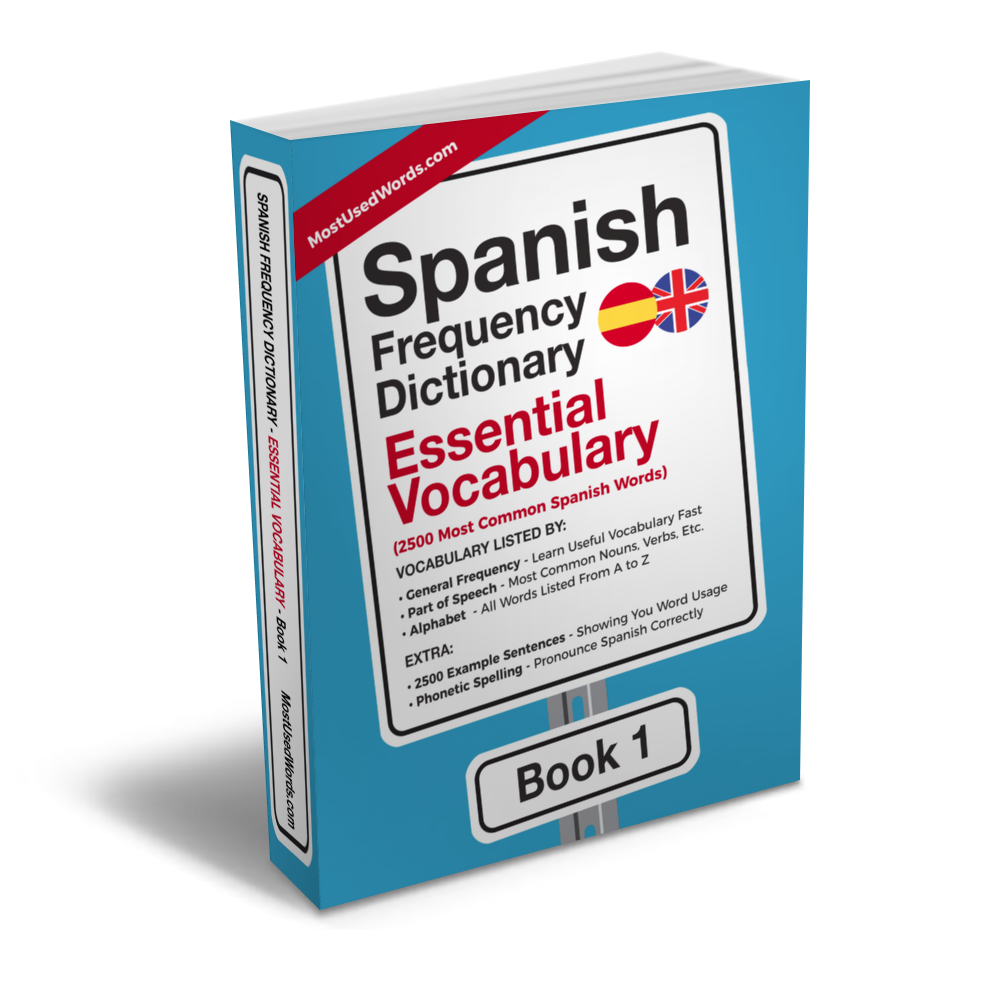
2,500 most common Spanish words with IPA pronunciation & bilingual example sentences
What Does 'Waived' Mean in Spanish?
In Spanish, "eximido" refers to the act of releasing someone from a particular obligation or requirement. It implies exemption or clearance of a duty that would typically apply. This term is widely used across Spanish-speaking regions and conveys the same meaning as its English counterpart.
Regional Variations and Dialects
Want to improve your Spanish?
The Spanish Frequency Dictionary series covers the 10,000 most common Spanish words — ranked by how often native speakers actually use them, with IPA pronunciation, English translations, and bilingual example sentences at every level.
Browse the full series →The word "eximido" can have slight variations in pronunciation depending on the region, but it generally remains consistent across most dialects. For instance, in some parts of Latin America, you might hear a softer 'x' sound compared to its more pronounced version in Spain.
How to Pronounce Eximido
The phonetic transcription for "eximido" is /eɡˈsi.mi.do/. To pronounce it correctly, start with the 'e' sound as in "egg," followed by a soft 'g' sound (like the 'j' in "judge"), then move to the stressed syllable 'simi,' and finally end with a clear 'do.'
Usage of Eximido Beyond Legal Contexts
While "eximido" is commonly used in legal contexts, it also finds application in sports, administrative procedures, and everyday situations. For example:
- Sports: A team might be eximido from a penalty due to unforeseen circumstances.
- Administrative Procedures: An individual may be eximido from paying certain fees if they meet specific criteria.
How to Say 'Waived' in Spanish: Sample Sentences
To better understand the usage of "eximido," here are several sample sentences with different verb tenses:
- Pasado Simple (Simple Past):
The judge waived the fine.
El juez eximió la multa.
- Futuro Simple (Simple Future):
The lawyer will waive my appearance at the trial.
Mi abogado me eximirá de presentarme al juicio.
- Presente Progresivo (Present Continuous):
The team is being waived from the tournament rules.
El equipo está siendo eximido de las reglas del torneo.
- Pasado Compuesto (Compound Past):
The university had waived me from the entrance exam.
La universidad me había eximido del examen de ingreso.

Frequently Asked Questions
Q: What is the difference between 'eximido' and 'dispensado'?
A: While both terms can mean "waived," 'eximido' typically implies a more formal or legal exemption, whereas 'dispensado' often refers to a less formal release from an obligation.
Q: Can I use 'eximido' in everyday conversations?
A: Yes, although it is commonly used in formal contexts like law and administration, you can also use it in daily life when discussing exemptions or waivers.
Q: Is there a verb form of 'eximido'?
A: Yes, the verb form is "eximir," which means to waive or exempt someone from something. For example, "El juez eximió la multa" (The judge waived the fine).
Build Your Spanish Vocabulary Systematically
The fastest way to grow your Spanish vocabulary is to start with the words you'll actually encounter every day. The Spanish Frequency Dictionary covers the 2,500 most common Spanish words, each with IPA pronunciation, an English translation, and bilingual example sentences.
Browse the full range of Spanish frequency dictionaries to find the volume that matches your level.