How to Say Venue in Spanish | MostUsedWords.com
As of 2026, understanding the term "venue" in Spanish is crucial for both students and travelers looking to navigate various settings in Spanish-speaking countries.

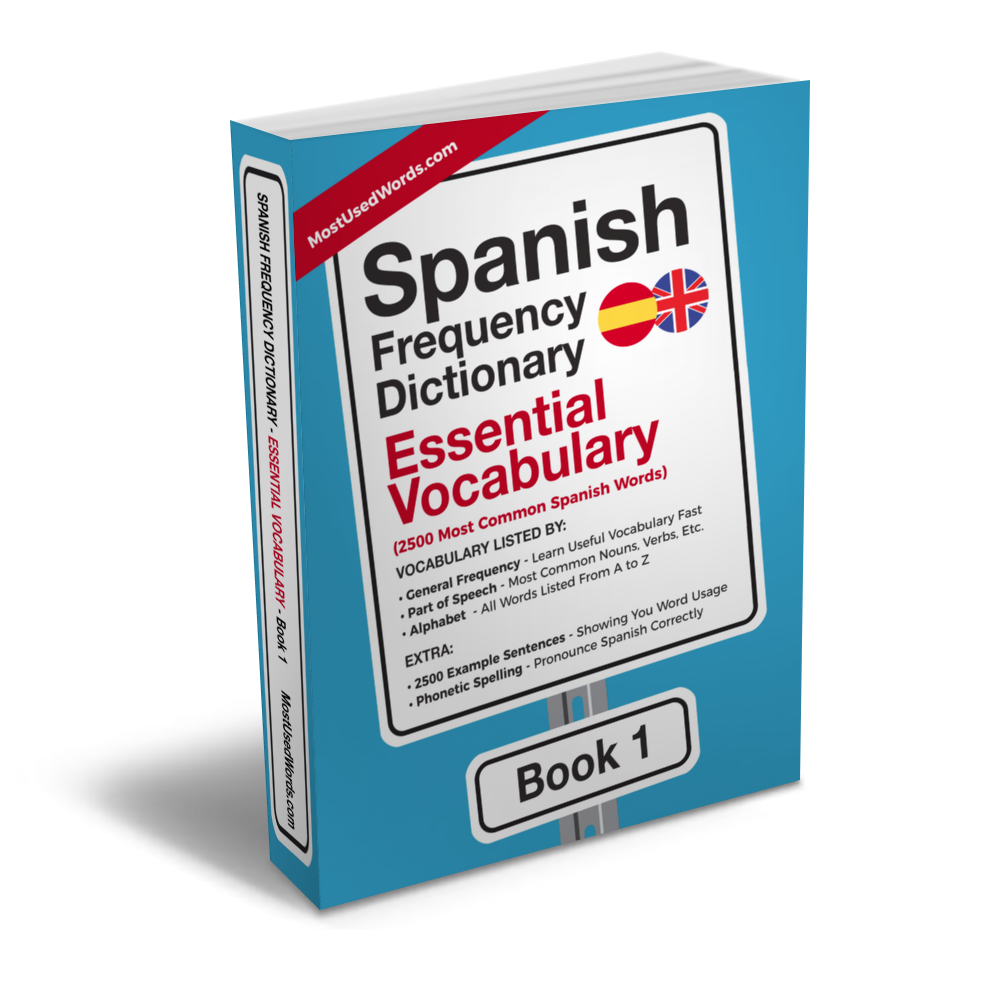
2,500 most common Spanish words with IPA pronunciation & bilingual example sentences
What is "Venue" in Spanish?
In Spanish, the term "venue" can be expressed using several synonyms depending on the context and formality level. The most common translations include lugar, espacio, recinto, sede, and local. Each of these words carries a slightly different connotation, making them suitable for various situations.
Pronunciation Guide
Want to improve your Spanish?
The Spanish Frequency Dictionary series covers the 10,000 most common Spanish words — ranked by how often native speakers actually use them, with IPA pronunciation, English translations, and bilingual example sentences at every level.
Browse the full series →- Lugar: IPA /luˈɣar/ (sounds like "loo-gar")
- Espacio: IPA /esˈpatjo/ (sounds like "es-pa-thio")
- Recinto: IPA /reˈθinto/ (sounds like "reh-theen-toh")
- Sede: IPA /ˈseðe/ (sounds like "suh-deh")
- Local: IPA /ˈlokal/ (sounds like "loh-kahl")
Meaning of "Venue" in Spanish
The following are the meanings and usage contexts for each translation:
- Lugar: This is a straightforward term meaning "place." It can be used to refer to any location where an event takes place.
- Espacio: Translates to "space" in English. Often used for venues that host creative or artistic events.
- Recinto: Denotes a specific area or enclosure, particularly useful when referring to a venue within a larger complex.
- Sede: Primarily means "headquarters," but can also refer to an official event location in formal settings.
- Local: Translates to "local" or "place." Commonly used for venues like bars, restaurants, and performance spaces.
How to Say "Venue" in Spanish: Sample Sentences
Here are some sample sentences using the different translations of "venue":
- ¿Conoces algún buen lugar para celebrar una boda?
- El nuevo espacio cultural es perfecto para exposiciones de arte.
- El recinto ferial tiene espacio para cientos de puestos.
- La sede del evento será en el centro de convenciones.
- Este local es ideal para conciertos en vivo.
- Lugar: IPA /luˈɣar/ (sounds like "loo-gar")
- Espacio: IPA /esˈpatjo/ (sounds like "es-pa-thio")
- Recinto: IPA /reˈθinto/ (sounds like "reh-theen-toh")
- Sede: IPA /ˈseðe/ (sounds like "suh-deh")
- Local: IPA /ˈlokal/ (sounds like "loh-kahl")
(Do you know a good venue to host a wedding?)
(The new cultural venue is perfect for art exhibitions.)
(The fairground venue has space for hundreds of stalls.)
(The venue for the event will be at the convention center.)
(This venue is perfect for live concerts.)
Cultural Context of Venues in Spanish-Speaking Countries
Understanding the cultural context of venues in Spanish-speaking countries can enhance your language skills and appreciation. For instance, lugar might be used more informally when discussing casual gatherings or events, while sede is often reserved for official meetings or conferences.
Usage in Formal and Informal Settings
The choice of word can vary based on the formality level. For example, recinto might be more appropriate when discussing a specific area within a larger venue like a fairground, whereas local is commonly used for smaller venues such as bars or restaurants.
Frequently Asked Questions
What are the most common words to say "venue" in Spanish?
The most common translations include lugar, espacio, recinto, sede, and local.
How do you pronounce "venue" in Spanish?
Can I use these words interchangeably?
No, each word has a specific connotation. For example, sede is more formal and often used for official events, while local is commonly used for smaller venues like bars or restaurants.
Build Your Spanish Vocabulary Systematically
The fastest way to grow your Spanish vocabulary is to start with the words you'll actually encounter every day. The Spanish Frequency Dictionary covers the 2,500 most common Spanish words, each with IPA pronunciation, an English translation, and bilingual example sentences.
Browse the full range of Spanish frequency dictionaries to find the volume that matches your level.