How to Say Vegetables in Spanish | MostUsedWords.com
Updated for 2026, the word "verduras" (IPA: /beɾˈðuɾas/) is used to refer to vegetables in Spanish.
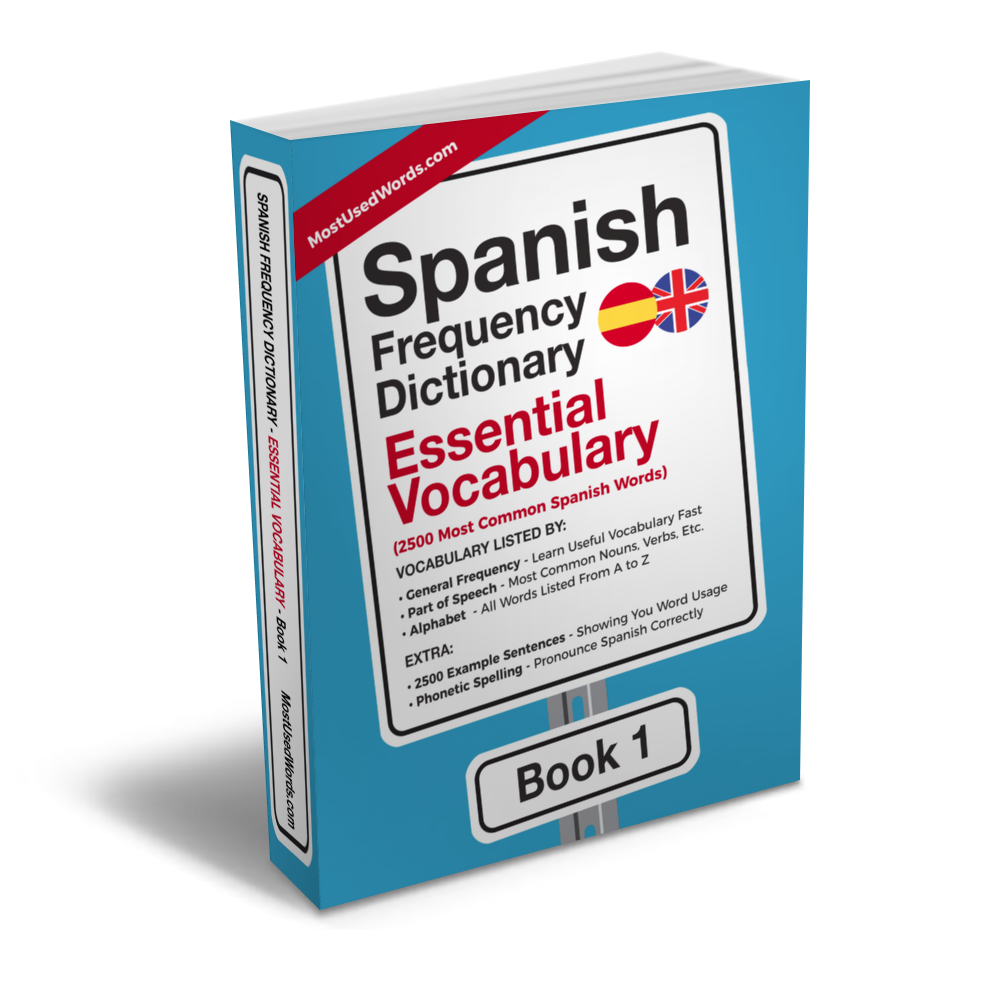
2,500 most common Spanish words with IPA pronunciation & bilingual example sentences
How to Say Vegetables in Spanish
The term "verduras" is widely recognized as the standard way to say "vegetables" in Spanish. However, regional variations exist; for example, in some Latin American countries, "vegetales" (IPA: /be.xeˈta.les/) is more commonly used.
Pronunciation Guide
Want to improve your Spanish?
The Spanish Frequency Dictionary series covers the 10,000 most common Spanish words — ranked by how often native speakers actually use them, with IPA pronunciation, English translations, and bilingual example sentences at every level.
Browse all 4 volumes →Here’s a pronunciation guide for the key terms:
- Verduras (IPA: /beɾˈðuɾas/)
- Hortalizas (IPA: /oɾ.ta.liˈθas/): Common in Spain, this term refers to garden-grown vegetables.
Asking About Vegetables in Different Contexts
To ask about vegetables at a market or restaurant:
- ¿Cuáles son las verduras del día?: What are today's vegetables?
- Tengo hambre, ¿qué vegetales tienes hoy?: I'm hungry, what vegetables do you have today?
Cultural Significance of Vegetables in Spanish-Speaking Cultures
The cultural significance of vegetables varies across different regions within the Spanish-speaking world. For instance, in Mexico, "verduras" is widely used and often associated with traditional dishes like chiles en nogada. In Argentina, "vegetales" or "hortalizas" are also common terms, reflecting a broader culinary tradition that includes hearty stews and soups.
Common Vegetable Dishes from Different Regions
Different regions have unique vegetable dishes that reflect their cultural heritage:
- Mexico: Chiles en nogada
- Spain: Gazpacho
- Argentina: Locro
Vegetable-Related Idioms and Expressions in Spanish
Spanish also features idiomatic expressions related to vegetables:
- Estar como un pimiento: To be very tired or exhausted.
- Tener las manos verdes: To have a green thumb, meaning someone is good at gardening.
Build Your Spanish Vocabulary Systematically
The fastest way to grow your Spanish vocabulary is to start with the words you'll actually encounter every day. The Spanish Frequency Dictionary covers the 2,500 most common Spanish words, each with IPA pronunciation, an English translation, and bilingual example sentences.
Browse the full range of Spanish frequency dictionaries to find the volume that matches your level.