How to Say Together in Spanish | MostUsedWords.com
As of 2026, the word "together" is commonly translated into Spanish as "juntos". Whether you're expressing unity among friends or working collaboratively on a project, understanding how to say "together" in various contexts can greatly enhance your vocabulary. In this article, we will explore different ways to express "together" in Spanish and provide sample sentences for practical usage.
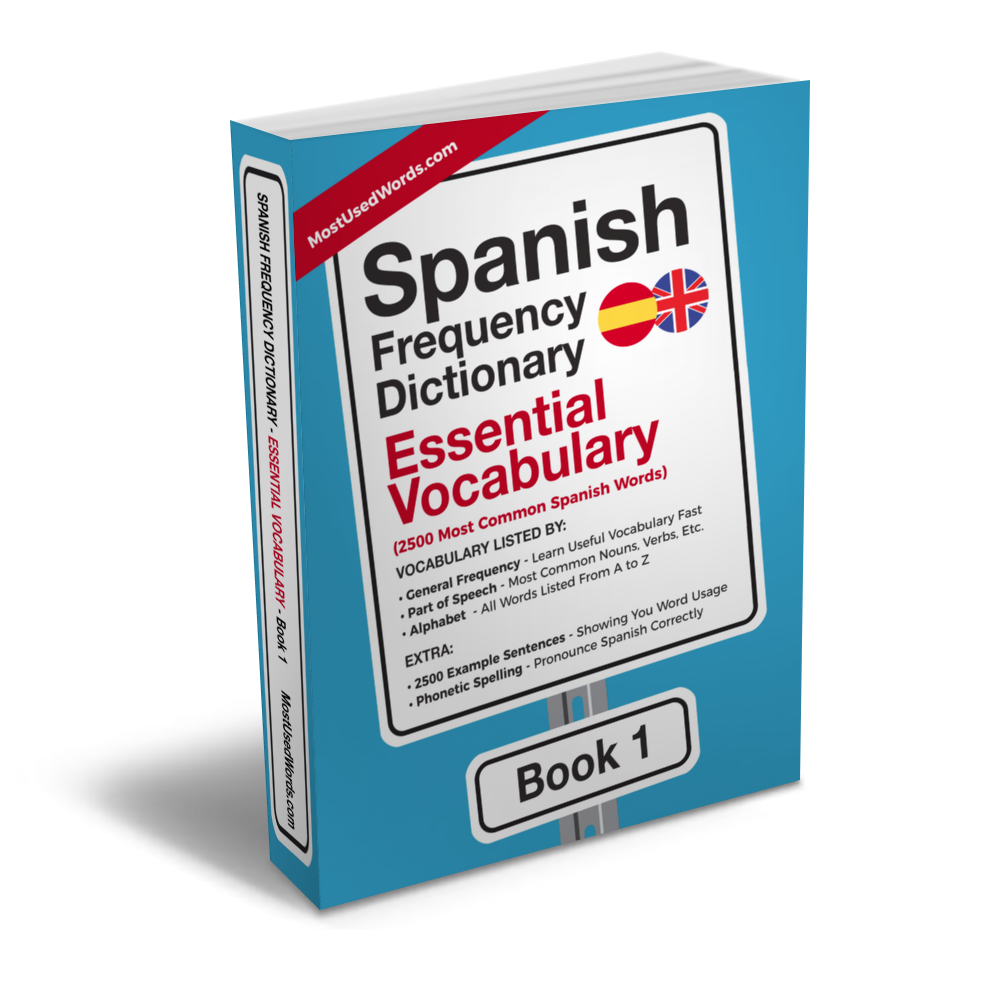
2,500 most common Spanish words with IPA pronunciation & bilingual example sentences
What is "Together" in Spanish?
The term "juntos" (IPA: /'xuntos/) is widely used to convey the idea of being together. However, depending on the context, you might use different expressions that carry a similar meaning. For instance, in formal writing or academic contexts, "en conjunto" (IPA:/en konˈxunto/) can be more appropriate.
Variations of "Together" in Spanish
Want to improve your Spanish?
The Spanish Frequency Dictionary series covers the 10,000 most common Spanish words — ranked by how often native speakers actually use them, with IPA pronunciation, English translations, and bilingual example sentences at every level.
Browse all 4 volumes →In addition to "juntos," there are several ways to say "together" in Spanish:
- Unidos (IPA: /uˈniðos/): This term emphasizes unity and can be used to express solidarity or collaboration.
- En conjunto (IPA:/en konˈxunto/): Often used in professional settings, indicating a collaborative effort towards a common goal.
- En compañía de (IPA:/en kombaˈɲia ðe/): Use this expression when you want to indicate that you are doing something with someone else's company.
- En grupo (IPA:/en ˈɡɾupo/): This phrase is used when you're engaging in an activity as part of a group.
Pronunciation Tips for Non-Native Speakers
To pronounce "juntos" correctly, focus on the rolled 'r' sound in the middle. For other variations like "unidos," pay attention to the stress on the second syllable. Mastering these pronunciations will help you communicate more effectively.
Regional Differences and Cultural Significance
The way "together" is expressed can vary across Spanish-speaking countries:
- In Argentina: While "juntos" is commonly used, you might also hear "unidos."
- In Spain: "Juntos" is the most common term, but variations like "juntos/as" or "juntos y revueltos" are sometimes used.
- In Mexico: Similar to other regions, "juntos" is widely understood. However, phrases such as "juntitos" and "juntos y unidos" might be heard.
Togetherness holds significant cultural importance in Spanish-speaking countries, often reflecting community values and collective effort.
Sample Sentences with Different Verb Tenses and Moods
Here are some sample sentences using different verb tenses and moods:
- We will work together on this project.
(Vamos a trabajar juntos en este proyecto.)
- Would you like to go out with me tonight?
(¿Te gustaría salir conmigo esta noche?)
Build Your Spanish Vocabulary Systematically
The fastest way to grow your Spanish vocabulary is to start with the words you'll actually encounter every day. The Spanish Frequency Dictionary covers the 2,500 most common Spanish words, each with IPA pronunciation, an English translation, and bilingual example sentences.
Browse the full range of Spanish frequency dictionaries to find the volume that matches your level.