How to Say To Sleep in Spanish | MostUsedWords.com
As of 2026, learning how to express common phrases like "to sleep" in Spanish is both exciting and practical. If you are interested in knowing how to say "to sleep" in Spanish, you've come to the right place. In this article, we will explore various ways to express this essential activity in Spanish, including cultural context, pronunciation guides, synonyms, and sample sentences.

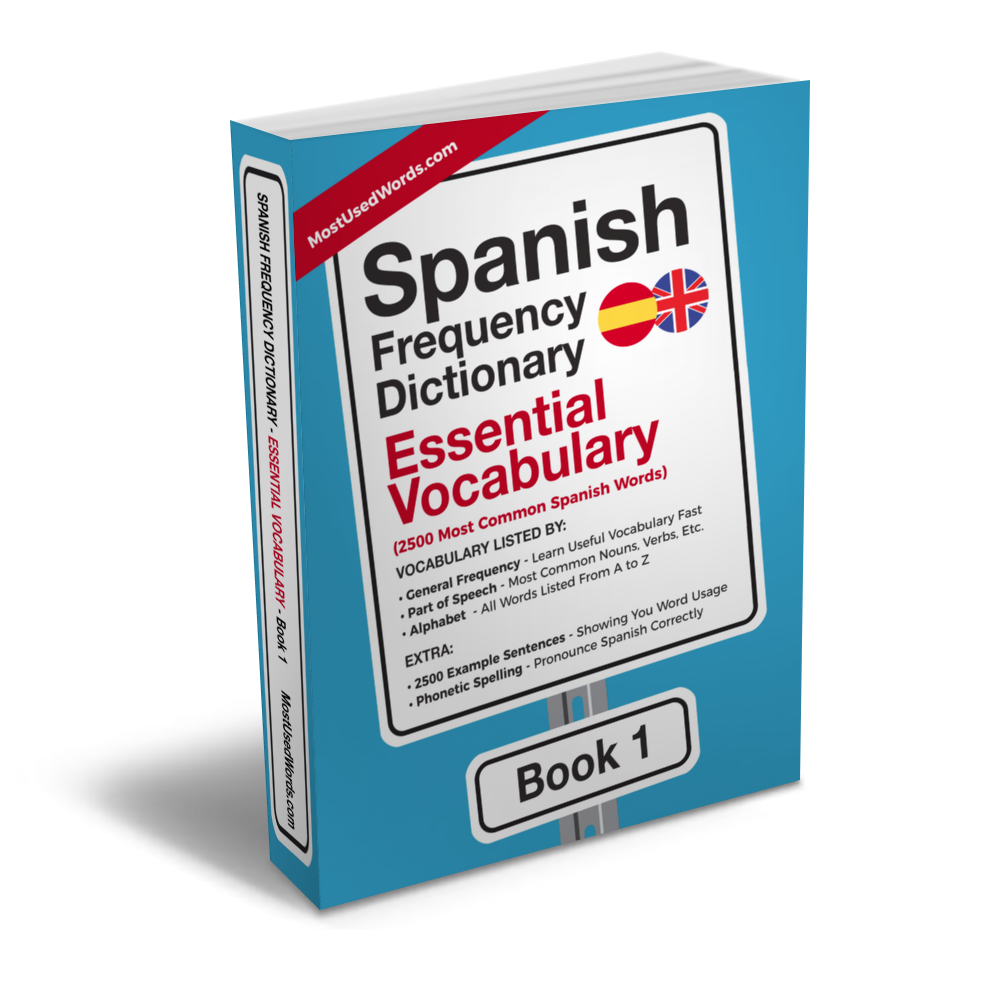
2,500 most common Spanish words with IPA pronunciation & bilingual example sentences
What is "To Sleep" in Spanish?
The verb "to sleep" in Spanish is dormir (IPA: /doɾˈmiɾ/). This word is widely used across all Spanish-speaking countries and regions. It is derived from the Latin word "dormīre," which holds the same meaning.
Meaning of "To Sleep" in Spanish
Want to improve your Spanish?
The Spanish Frequency Dictionary series covers the 10,000 most common Spanish words — ranked by how often native speakers actually use them, with IPA pronunciation, English translations, and bilingual example sentences at every level.
Browse all 4 volumes →Dormir refers to the act of sleeping or resting, encompassing the state of being unconscious and resting one's mind and body during the night or at other times of the day. The meaning remains consistent across various Spanish-speaking regions, allowing for easy comprehension and communication. However, it is important to note that sleep habits can vary significantly between cultures. For instance, in some Latin American countries, taking a siesta (afternoon nap) is an integral part of daily life, while in others, people may prefer to stay awake late into the night.
Synonyms of "To Sleep" in Spanish
Here are several synonyms for dormir, each with its own nuances and usage:
- Descansar (IPA: /des.kanˈsaɾ/): To be in a state of relaxation or repose, usually involving sleep or taking a break.
- Reposar (IPA: /re.poˈsaɾ/): To lie down. To be in a resting position, typically on a bed or a comfortable surface.
- Adormecer (IPA: /a.doɾ.meˈθeɾ/): To fall asleep. To gradually enter a state of sleep, becoming less conscious and aware.
- Conciliar el sueño (IPA: /kon.siˈljaɾ el ˈswe.ɲo/): To initiate the process of sleeping, often referring to the moment when one starts to drift off.
- Echarse una siesta (IPA: /eˈtʃaɾ.se u.na sjeˈsta/): To take a nap. To have a short sleep during the day, typically in the afternoon.
- Pegar ojo (IPA: /pe.ˈɣaɾ ˈo.xo/): To catch some Z's. To manage to fall asleep, often used when someone has difficulty sleeping or staying asleep.
- Morfar (IPA: /ˈmoɾ.faɾ/): To crash. Informal term mainly used in Argentina, Uruguay, and Spain to refer to falling asleep or going to bed.
- Acostarse (IPA: /a.kosˈtaɾ.se/): To go to bed. To get into a horizontal position on a bed or sleeping surface in preparation for sleep.
- Coger el sueño (IPA: /ko.ˈxeɾ el ˈswe.ɲo/): To catch sleep. To manage to fall asleep or get some sleep.
- Quedarse dormido (IPA: /ke.ˈðaɾ.se ðoɾˈmi.ðo/): To enter the state of sleep unintentionally or unexpectedly.
How to Say "To Sleep" in Spanish: Sample Sentences
Here are five sample sentences you can use to say "to sleep" in Spanish:
- ¿Puedo dormir en tu casa esta noche?
- (Can I sleep at your house tonight?)
- No puedo conciliar el sueño.
- (I can't fall asleep.)
- Estaré en mi habitación descansando.
- (I'll be in my room resting.)
- ¿Cuándo te acuestas?
- (When do you go to bed?)
- Morfaré en el sofá esta noche.
- (I'll crash on the couch tonight.)
Phrases Related to Insomnia and Sleep Disorders in Spanish
In addition to basic sleep-related vocabulary, it's also important to know how to discuss insomnia or other sleep disorders. Here are a few phrases:
- Tengo insomnio.
- (I have insomnia.)
- Estoy sufriendo de trastornos del sueño.
- (I am suffering from sleep disorders.)
- No puedo conciliar el sueño por la ansiedad.
- (I can't fall asleep due to anxiety.)
Understanding these phrases will help you communicate effectively about sleep issues in Spanish-speaking contexts.
 Take a look at our series of books to quickly learn useful Spanish vocabulary. Stop learning hard, and start learning smart!
Build Your Spanish Vocabulary Systematically
The fastest way to grow your Spanish vocabulary is to start with the words you'll actually encounter every day. The Spanish Frequency Dictionary covers the 2,500 most common Spanish words, each with IPA pronunciation, an English translation, and bilingual example sentences.
Browse the full range of Spanish frequency dictionaries to find the volume that matches your level.