How to Say To Provide in Spanish | MostUsedWords.com
Updated for 2026, "To provide" in Spanish can be expressed using several verbs depending on the context and region. The most common verb is proveer (IPA: /pɾo.ˈβe̞ɾ/), which means to supply or furnish something necessary.

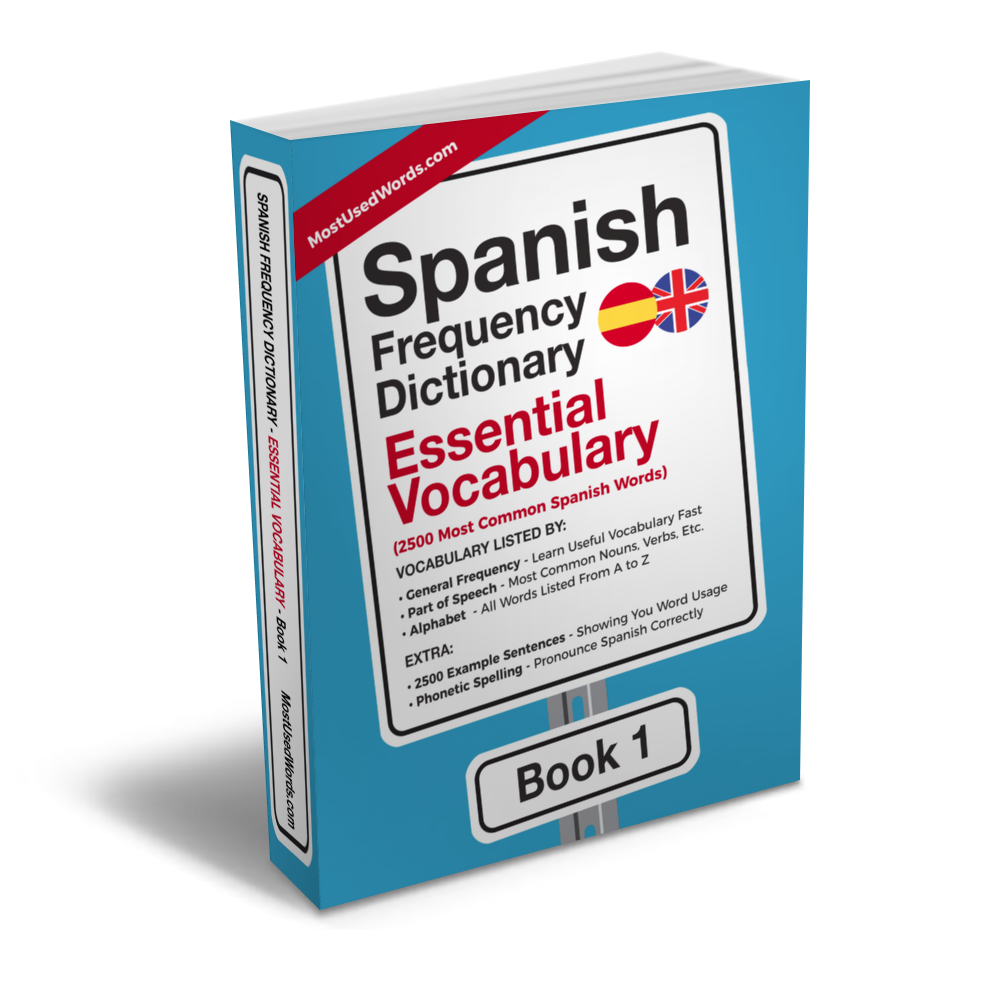
2,500 most common Spanish words with IPA pronunciation & bilingual example sentences
What is "To Provide" in Spanish?
"To provide" in Spanish can be translated as proveer (IPA: /pɾo.ˈβe̞ɾ/), a versatile verb used in various contexts to express the act of supplying, furnishing, or giving. In addition to "proveer," there are synonyms for this term such as proporcionar and suministrar, which are commonly used across different Spanish-speaking countries.
Meaning of "To Provide" in Spanish
Want to improve your Spanish?
The Spanish Frequency Dictionary series covers the 10,000 most common Spanish words — ranked by how often native speakers actually use them, with IPA pronunciation, English translations, and bilingual example sentences at every level.
Browse the full series →"Proveer" is the standard Spanish term for "to provide," commonly used in formal and informal settings across many Spanish-speaking regions. These are the main meanings of "proveer" in Spanish:
- To prepare, to gather what is necessary for an end.
- To supply or facilitate what is necessary or convenient for an end.
- To process, to solve, to give an exit to a business.
- To give or confer a dignity, a job, a position, etc.
- Said of a judge or a court: To pass a resolution that sometimes is a final sentence.
Common Phrases and Idioms Related to "To Provide" in Spanish
In addition to the basic meanings, there are several common phrases and idioms related to providing in Spanish. For example:
- "Proveer de": To provide with something.
- "Abastecerse de": To stock up on or supply oneself with.
Synonyms of "To Provide" in Spanish
Here are some synonyms of the Spanish verb "proveer" along with their meanings:
- Suministrar (IPA: /sumiˈnistɾaɾ/): To supply or provide something, often referring to goods or resources.
- Abastecer (aβasteser): To stock or furnish with necessary provisions or supplies.
- Proporcionar (IPA: /pɾopoɾθjoˈnaɾ/): Action of supplying, furnishing, or making something available to someone or for a particular purpose.
- Proveerse (IPA: /proβerˈse/): To obtain or acquire something for oneself, usually in anticipation of future needs.
- Brindar (IPA: /brinˈdar/): To offer or provide something, often referring to a service or opportunity.
- Facilitar (IPA: /fasiliˈtar/): To facilitate or make something easier or more accessible.
- Dotar (IPA: /doˈtar/): To endow or provide with certain qualities or characteristics.
- Distribuir (IPA: /disˈtriβir/): To distribute or allocate something among different recipients or locations.
Frequency and Usage of "To Provide" in Spanish
The verbs proveer, proporcionar, and suministrar are frequently used in everyday speech. They appear in various contexts such as business communications, legal documents, and daily conversations.
Cultural Context of Providing in Spanish-Speaking Countries
In many Spanish-speaking cultures, the act of providing is deeply rooted in community support and social responsibility. For instance, during times of crisis or need, communities often come together to provide essential resources such as food, shelter, and medical supplies.
How to Say "To Provide" in Spanish: Sample Sentences
Here are five sample sentences you can use to say "to provide" in Spanish:
- Proveer agua y alimentos es esencial para el bienestar de la comunidad.
(Providing water and food is essential for the community's well-being.)
- La empresa me proporcionó todas las herramientas necesarias para el proyecto.
(The company provided me with all the necessary tools for the project.)
- Necesitamos suministrar materiales de construcción para completar la obra.
(We need to provide construction materials to finish the project.)
- El gobierno se encarga de abastecer medicamentos a los hospitales públicos.
(The government is responsible for supplying medications to public hospitals.)
- ¿Puedes proporcionarme información sobre los vuelos disponibles?
(Can you provide me with information about available flights?)

Frequently Asked Questions
Q: What is the difference between 'proveer' and 'proporcionar'?
A: While both verbs mean "to provide," proveer often implies a more formal or official act of supplying, whereas proporcionar can be used in both formal and informal contexts.
Q: Can 'abastecer' be used interchangeably with 'proveer'?
A: While they are similar, abastecer is more specific to the act of stocking up or furnishing necessary provisions, whereas proveer can encompass a broader range of providing actions.
Q: What other verbs can I use instead of 'suministrar'?
A: You could also consider using distribuir (to distribute) or facilitar (to facilitate), depending on the context and what you are providing.
Build Your Spanish Vocabulary Systematically
The fastest way to grow your Spanish vocabulary is to start with the words you'll actually encounter every day. The Spanish Frequency Dictionary covers the 2,500 most common Spanish words, each with IPA pronunciation, an English translation, and bilingual example sentences.
Browse the full range of Spanish frequency dictionaries to find the volume that matches your level.