How to Say To Pour in Spanish | MostUsedWords.com
Updated for 2026, the verb "to pour" can be expressed in several ways in Spanish depending on the context and region. In this article, we will explore how to say 'to pour' in Spanish, including common verbs like verter, echar, and servir. We'll also delve into cultural nuances and idiomatic expressions related to pouring across different Spanish-speaking countries.
In Spanish, the verb "to pour" can be translated in various ways, depending on the context and region. The most common equivalents are verter (IPA: /beɾˈteɾ/), echar (IPA: /ˈetʃaɾ/), and servir (IPA: /serˈbir/).
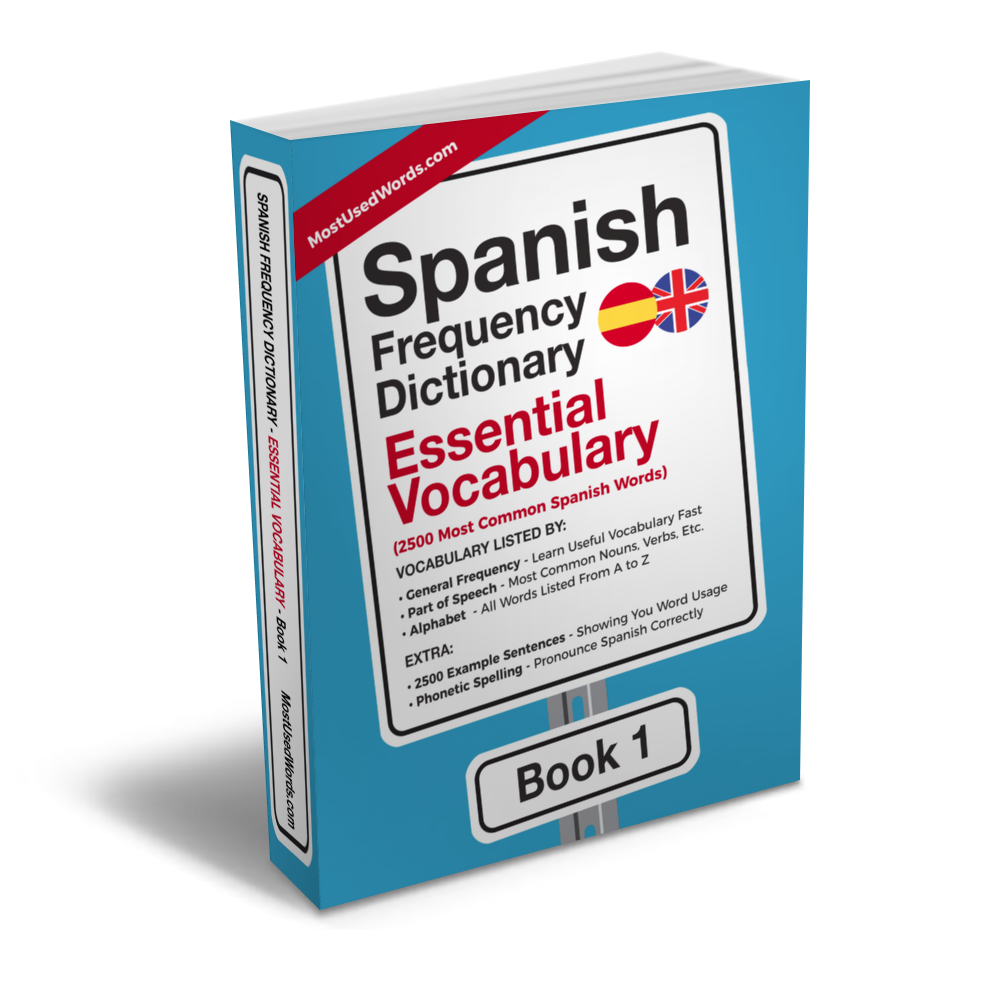
2,500 most common Spanish words with IPA pronunciation & bilingual example sentences
Meaning of "To Pour" in Spanish
When using the Spanish equivalents of "to pour," it is important to understand the nuances and contexts in which they are typically used:
- Verter: This term is precise and straightforward, commonly used in formal or professional situations. It denotes a controlled, deliberate pouring. This is the standard term used across many Spanish-speaking countries.
- Echar: As mentioned earlier, "echar" can imply a more casual or spontaneous pouring action. It is often used in informal settings or everyday conversations. This term is particularly common in Spain and is often used interchangeably with "verter."
- Servir: While primarily meaning "to serve," when used in the context of pouring, it refers to the act of serving liquids into containers.
In addition to these verbs, there are several idiomatic expressions and cultural contexts where "pouring" is mentioned. For instance, in some regions, people might use phrases like "echar un vaso de agua" (to pour a glass of water) or "servir una copa de vino" (to serve a glass of wine).
Pronunciation Tips for Beginners
Want to improve your Spanish?
The Spanish Frequency Dictionary series covers the 10,000 most common Spanish words — ranked by how often native speakers actually use them, with IPA pronunciation, English translations, and bilingual example sentences at every level.
Browse the full series →If you're new to Spanish, here are some pronunciation tips:
- Verter: The stress is on the second syllable /beɾˈteɾ/.
- Echar: This verb has a stressed first syllable /ˈetʃaɾ/. It's pronounced with an 'e' sound similar to "eh" in English.
- Servir: The stress is on the second-to-last syllable /serˈbir/.
How to Say "To Pour" in Spanish: Sample Sentences with 'Echar' and 'Servir'
Here are several sample sentences you can use to say "to pour" in Spanish:
- Voy a verter el vino en las copas.
(I'm going to pour the wine into the glasses.)
- Por favor, echa un poco de leche en mi café.
(Please pour some milk into my coffee.)
- Ten cuidado de no echar el agua en la mesa.
(Be careful not to pour the water on the table.)
- Él va a servir las bebidas en la fiesta.
(He's going to pour the drinks at the party.)
- No debes verter todo el aceite en la sartén de una vez.
(You shouldn't pour all the oil into the pan at once.)
Frequently Asked Questions
What is the difference between 'echar' and 'verter'?
Echar implies a more casual or spontaneous pouring action, often used in informal settings. Vertir, on the other hand, denotes a controlled, deliberate pouring, commonly used in formal situations.
Can I use 'servir' to mean 'to pour'?
Servir primarily means "to serve," but it can also refer to the act of serving liquids into containers. It's often used when talking about pouring drinks at a party or event.
Is there any regional variation in how people say 'pour'?
Yes, there are differences across Spanish-speaking countries. For example, echar is more common in Spain and can be used interchangeably with verter.
What are some idiomatic expressions related to pouring?
In addition to the basic verbs, you might hear phrases like "echar un vaso de agua" (to pour a glass of water) or "servir una copa de vino" (to serve a glass of wine).
Build Your Spanish Vocabulary Systematically
The fastest way to grow your Spanish vocabulary is to start with the words you'll actually encounter every day. The Spanish Frequency Dictionary covers the 2,500 most common Spanish words, each with IPA pronunciation, an English translation, and bilingual example sentences.
Browse the full range of Spanish frequency dictionaries to find the volume that matches your level.