How to Say They in Spanish | Third Person Plural Pronouns
Updated for 2026, here’s a comprehensive guide on how to say “they” in Spanish. In Spanish, “they” is expressed using third-person plural pronouns that vary based on gender and formality.
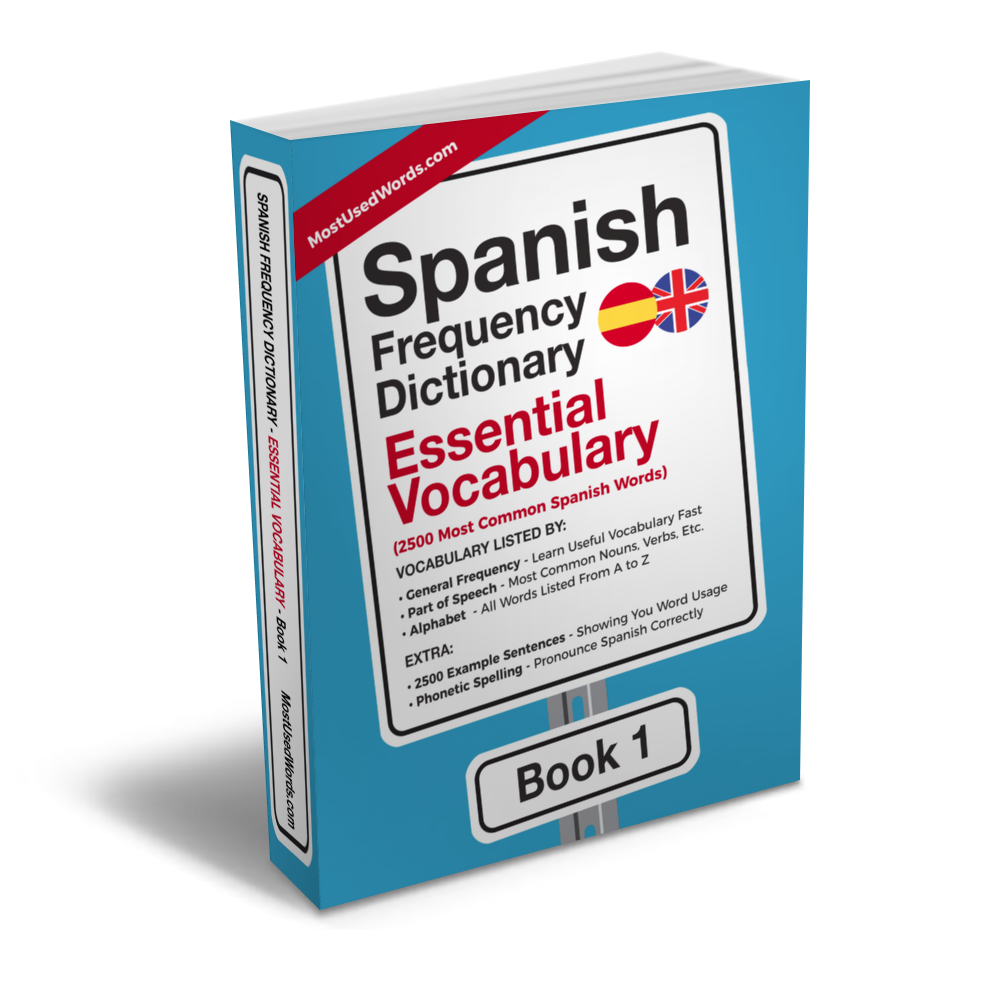
2,500 most common Spanish words with IPA pronunciation & bilingual example sentences
How to Say "They" in Spanish
In English, the pronoun "they" refers to a group of people or things. Similarly, in Spanish, there are several ways to express this concept depending on factors such as formality, gender, and regional differences.
Meaning of "They" in Spanish
Want to improve your Spanish?
The Spanish Frequency Dictionary series covers the 10,000 most common Spanish words — ranked by how often native speakers actually use them, with IPA pronunciation, English translations, and bilingual example sentences at every level.
Browse all 4 volumes →In Spanish, "they" can refer to a group of people or things that includes both masculine and feminine nouns. However, when referring to a group of females only, the pronoun "ellas" is used (IPA: /ˈeʎas/). Similarly, for a group including males or mixed genders, use "ellos" (IPA: /ˈeʎos/).
In formal contexts or when addressing a group, "ustedes" can be used.
Translating "They" to Spanish
- Ellos: Used for a group of males or mixed genders (IPA: /ˈeʎos/).
- Ellas: Used exclusively for groups of females (IPA: /ˈeʎas/).
- Los/Las: Used before nouns to indicate plural subjects, e.g., "Los niños juegan en el parque" means "They play in the park." (IPA: /lo̞s/las/).
- Ustedes: Used in formal contexts or when addressing a group.
Regional Differences and Formal Contexts
The use of "ellos," "ellas," and "ustedes" can vary by region. For example, in Argentina, "ellas" is often used for mixed groups, while in Spain, it might sound overly formal.
In formal settings or when addressing a group formally, "ustedes" is the preferred pronoun.
Common Mistakes When Using "Ellos", "Ella", and "Ustedes"
Learners frequently confuse the use of "ellos," "ellas," and "ustedes." For instance, using "ustedes" in informal settings or forgetting to use "los/las" before plural nouns can lead to misunderstandings.
Sample Sentences for Each Pronoun Usage
- Ellos vienen a la fiesta.
- (They are coming to the party.)
- Ellas estudian juntas.
- (They study together.)
- Ellos y ellas son mis amigos.
- (They are my friends.)
- Los estudiantes en la clase, ¿quién es? Ellos son de diferentes países.
- (The students in the class, who are they? They are from different countries.)
Build Your Spanish Vocabulary Systematically
The fastest way to grow your Spanish vocabulary is to start with the words you'll actually encounter every day. The Spanish Frequency Dictionary covers the 2,500 most common Spanish words, each with IPA pronunciation, an English translation, and bilingual example sentences.
Browse the full range of Spanish frequency dictionaries to find the volume that matches your level.