How to Say Telling in Spanish | MostUsedWords.com
As of 2026, learning a new language opens up a world of possibilities, allowing you to connect with people from different cultures and express yourself in unique ways. If you are wondering how to say "telling" in Spanish, the noun is translated as relato (IPA: /reˈlato/).

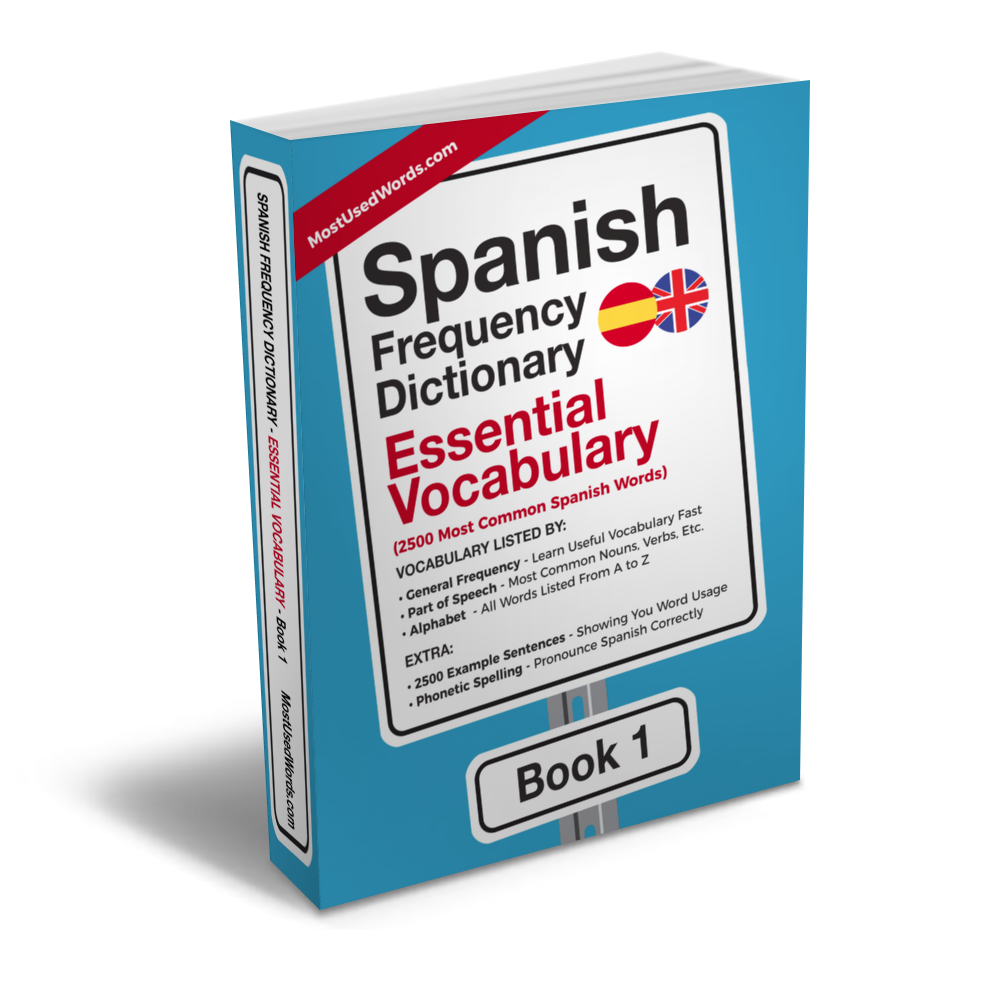
2,500 most common Spanish words with IPA pronunciation & bilingual example sentences
What is "Telling" in Spanish?
The English noun "telling" can be translated to Spanish as relato (IPA: /reˈlato/). The word "relato" refers to a narrative or story that conveys information or events. It captures the essence of sharing experiences or recounting events in a captivating manner. For example, you might say "Ella me contó un relato sobre su viaje a España." which means "She told me a story about her trip to Spain.". The plural form of "relato" is relatos (IPA: /reˈlatos/).
Usage Examples in Context
Want to improve your Spanish?
The Spanish Frequency Dictionary series covers the 10,000 most common Spanish words — ranked by how often native speakers actually use them, with IPA pronunciation, English translations, and bilingual example sentences at every level.
Browse all 4 volumes →In Spanish, the term "relato" encapsulates the concept of conveying information or experiences through storytelling. It involves sharing anecdotes, experiences, or events in a way that captivates the audience and leaves a lasting impact. Whether it is through spoken or written words, a "relato" has the power to engage, educate, and entertain. Here are some more sample sentences:
- El relato de su vida es fascinante y emocionante. (His life story is fascinating and exciting.)
- Ella escribió un relato sobre la guerra civil española. (She wrote a narrative about the Spanish Civil War.)
- Escuché un relato impactante sobre el rescate en los Andes. (I heard an impactful story about the rescue in the Andes.)
Comparison with Similar Terms
While "relato" is a direct translation of "telling," there are other Spanish words that can be used to convey similar meanings:
- Narración (IPA: /narrasˈjon/): A spoken or written account of connected events; a story or description of events, experiences, or situations.
- Cuento (IPA: /ˈkwento/): A fictitious or true narrative or story, usually shorter in length and focused on a single event or theme.
- Historia (IPA: /isˈtoɾja/): An account of past events, real or imagined, often presented in a sequential manner with a beginning, middle, and end.
Each term has its own nuances and contexts where it is most appropriate to use. For instance, "relato" tends to be more formal than "cuento," which can also refer to fairy tales or fables.
Build Your Spanish Vocabulary Systematically
The fastest way to grow your Spanish vocabulary is to start with the words you'll actually encounter every day. The Spanish Frequency Dictionary covers the 2,500 most common Spanish words, each with IPA pronunciation, an English translation, and bilingual example sentences.
Browse the full range of Spanish frequency dictionaries to find the volume that matches your level.