How to Say Television in Spanish | MostUsedWords.com
As of 2026, learning how to say "television" in Spanish is essential for anyone interested in the language or planning a trip to a Spanish-speaking country. The word for "television" in Spanish is "televisión", pronounced /te.le.βi.ˈsjon/. This article will guide you through its usage, cultural impact, and common idioms.
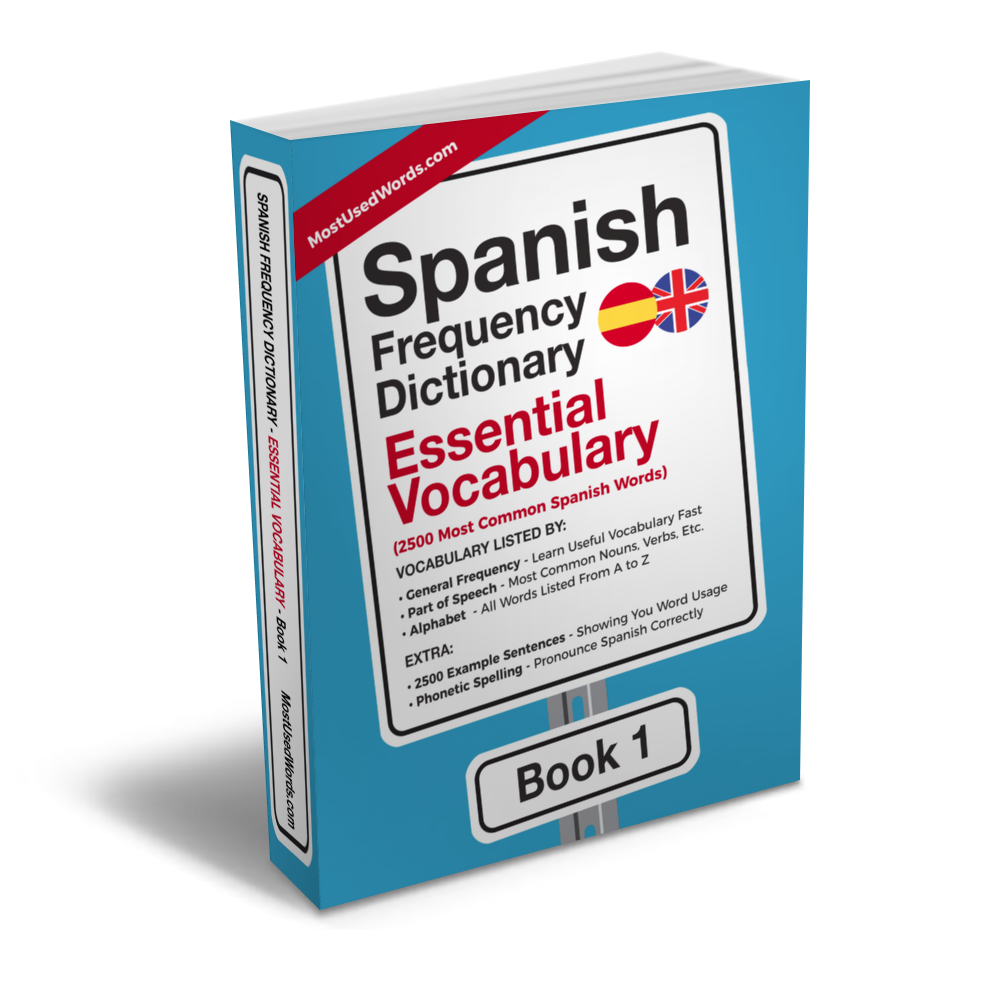
2,500 most common Spanish words with IPA pronunciation & bilingual example sentences
What is Television in Spanish?
The term "televisión" refers to both the device and the concept of broadcasting in Spanish-speaking countries. It's a feminine noun used similarly to its English counterpart.
Pronunciation Tips
Want to improve your Spanish?
The Spanish Frequency Dictionary series covers the 10,000 most common Spanish words — ranked by how often native speakers actually use them, with IPA pronunciation, English translations, and bilingual example sentences at every level.
Browse all 4 volumes →To help non-native speakers, remember that the stress falls on the third syllable of "televisión."
Meaning and Usage in Spanish
In Spanish, "television" encompasses both the device and broadcasting. For example: "La televisión transmite en vivo." (The television broadcasts live).
Cultural Significance of Television in Spanish-Speaking Countries
The advent of television has had a profound impact on culture, influencing entertainment, politics, and social norms across different regions. For instance, the first broadcast in Mexico occurred in 1950, marking a significant milestone.
History of Television in Specific Spanish-Speaking Countries
The history of television varies among Spanish-speaking countries. In Spain, color TV was introduced early after World War II, while in Mexico, the first broadcast took place in 1950. These milestones have shaped cultural and technological landscapes.
Usage in Different Media Contexts
In various media contexts, "televisión" is used to describe both the device and the concept of broadcasting. For example: "No me gusta cuando la televisión está demasiado alta." (I don't like it when the TV is too loud).
Common Idioms and Expressions
There are many idioms related to television in Spanish, such as: "¿Dónde está el control remoto de la televisión?" (Where is the TV remote?) or "No me gusta cuando la televisión está demasiado alta." (I don't like it when the TV is too loud.).
Sample Sentences with Context
- ¿Dónde está el control remoto de la televisión?
- Me gusta ver la televisión después del trabajo.
- No me gusta cuando la televisión está demasiado alta.
- Hay una nueva serie en la televisión que quiero ver.
- ¿Puedes encender la televisión para ver las noticias?
(Where is the TV remote?)
(I like to watch TV after work.)
(I don't like it when the TV is too loud.)
(There's a new series on TV that I want to watch.)
(Can you turn on the TV to watch the news?)
Browse All Spanish Frequency Dictionaries →
The fastest way to grow your Spanish vocabulary is to start with the words you'll actually encounter every day. The Spanish Frequency Dictionary covers the 2,500 most common Spanish words, each with IPA pronunciation, an English translation, and bilingual example sentences.
Browse the full range of Spanish frequency dictionaries to find the volume that matches your level.