How to Say Tasting in Spanish - MostUsedWords.com
As of 2026, understanding culinary terms like "tasting" is crucial for anyone interested in exploring Spanish cuisine or culture. In this article, we will explore how to say "tasting" in Spanish, delve into its cultural significance, and provide examples of its usage in various contexts.

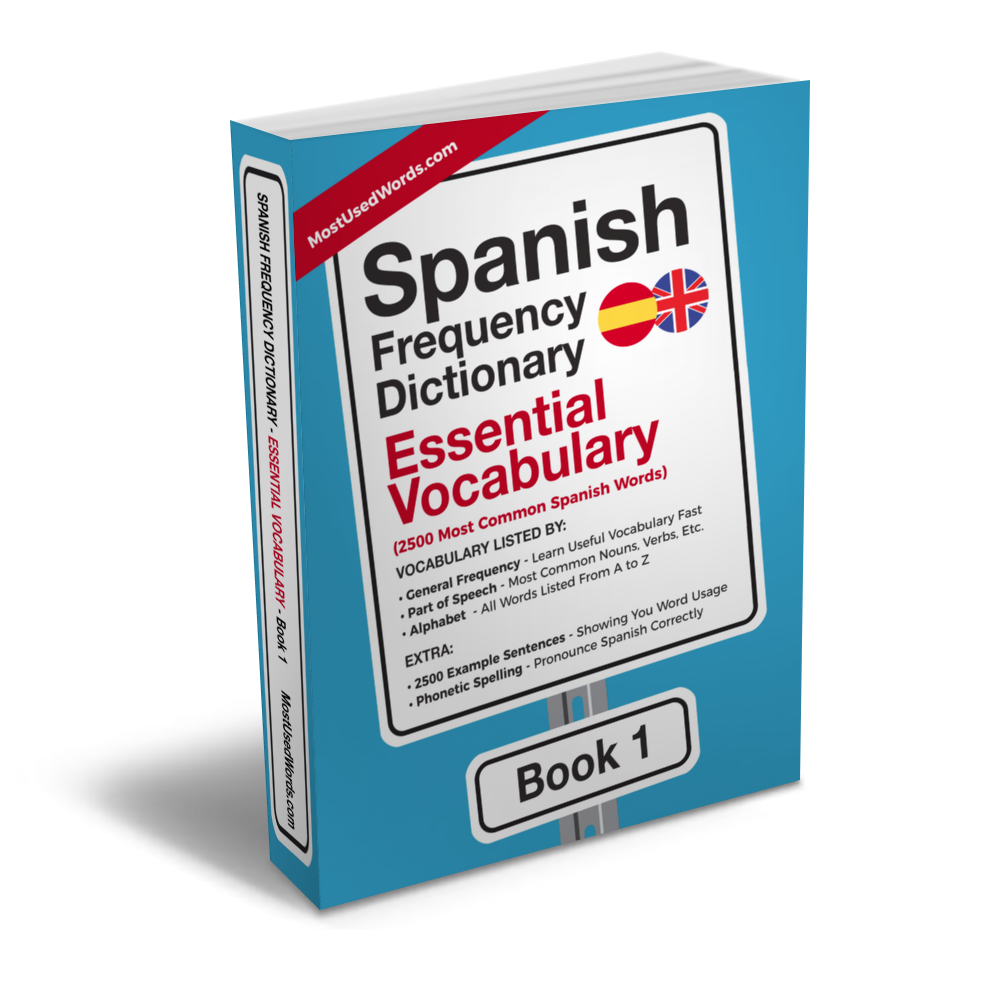
2,500 most common Spanish words with IPA pronunciation & bilingual example sentences
How to Say Tasting in Spanish
The English noun "tasting" can be translated into Spanish as cata (IPA: /ˈkata/). This term represents the act of sampling or evaluating different food items or beverages, assessing their flavors, textures, and overall qualities. The concept of "cata" is deeply ingrained in Spanish and Latin American cultures due to a rich culinary heritage and tradition of producing fine wines, cheeses, and other delicacies.
Meaning of Tasting in Spanish
Want to improve your Spanish?
The Spanish Frequency Dictionary series covers the 10,000 most common Spanish words — ranked by how often native speakers actually use them, with IPA pronunciation, English translations, and bilingual example sentences at every level.
Browse all 4 volumes →Cata encompasses not only the act of tasting but also the art of savoring and critically analyzing the nuances of various products. It often involves professionals such as sommeliers, chefs, and connoisseurs who have developed a keen sense of taste and can discern the finest details of a dish or drink. Additionally, "cata" can be a social and enjoyable experience where friends and family gather to sample different flavors together, making it both delightful and educational.
—Another noun, verb, adjective, and adverb forms of tasting in Spanish (taste, to taste, tasty, tastefully, tastily) are analyzed in other MostUsedWords.com blog posts.
Pronunciation Guide for Cata
To correctly pronounce "cata," focus on the stress on the first syllable: ca-ta.
Spanish Words for Food and Beverage Tastings
In addition to "cata," there are other terms used in Spanish-speaking countries. For instance, you might come across regional phrases like degustación (IPA: /deɣustaˈθjon/), which is often used interchangeably with "cata" but can also refer more specifically to a formal tasting event or session.
History and Cultural Significance of Tasting in Spanish-Speaking Countries
The practice of "cata" has deep roots in the history of Spain and Latin America, reflecting centuries-old traditions of wine-making, cheese production, and culinary arts. In these regions, tasting is not just a sensory experience but also an integral part of cultural heritage.
Comparison with Other Languages' Terms for Tasting
While "cata" is the primary term used in Spanish-speaking countries, other languages have their own unique terms for tasting. For example, French uses dégustation, which shares a similar meaning and origin to the Spanish "degustación."
Regional Variations of Tasting Terms
Different regions may use variations or additional terms for tasting. In Spain, "cata" remains the standard term, commonly associated with wine and olive oil tastings due to their cultural significance. In Latin America, while "cata" is widely understood, you might encounter regional phrases like degustación or probar (IPA: /ˈpɾoβaɾ/).
How to Say Tasting in Spanish: Sample Sentences
Here are five sample sentences using "cata" and related terms:
- Hoy asistí a una cata de vinos en la bodega local.
(Today, I attended a wine tasting at the local winery.)
- El chef ofreció una cata de quesos gourmet.
(The chef offered a tasting of gourmet cheeses.)
- ¿Te gustaría hacer una cata de chocolates artesanales?
(Would you like to do a tasting of artisanal chocolates?)
- En la feria gastronómica, habrá una cata de platos típicos.
(At the food fair, there will be a tasting of typical dishes.)
- Durante el evento, disfrutamos de una cata de cervezas locales.
(During the event, we enjoyed a tasting of local beers.)
Build Your Spanish Vocabulary Systematically
The fastest way to grow your Spanish vocabulary is to start with the words you'll actually encounter every day. The Spanish Frequency Dictionary covers the 2,500 most common Spanish words, each with IPA pronunciation, an English translation, and bilingual example sentences.
Browse the full range of Spanish frequency dictionaries to find the volume that matches your level.