How to Say Table of Contents in Spanish | MostUsedWords.com
Updated for 2026, the term "table of contents" translates into Spanish as índice (IPA: /ˈindiθe/). This article delves into various ways to express this concept in different regions and contexts.
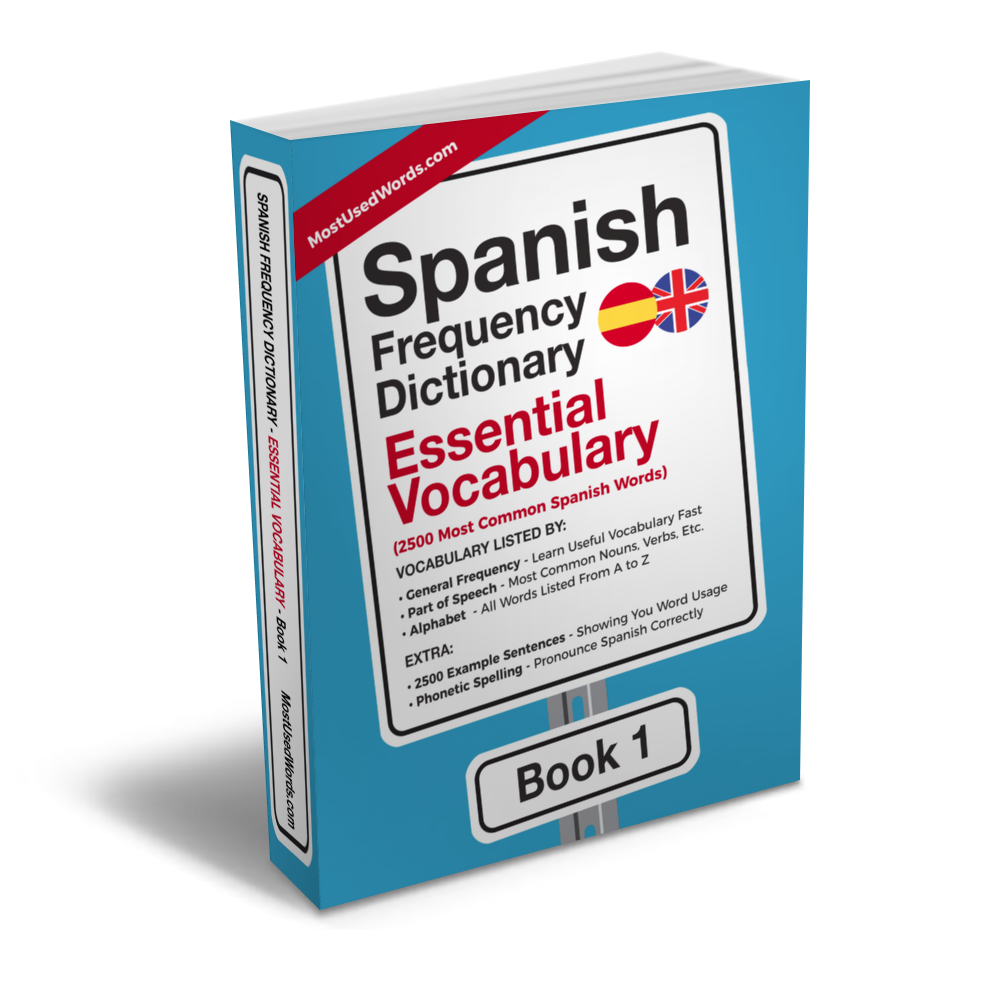
2,500 most common Spanish words with IPA pronunciation & bilingual example sentences
What is "Table Of Contents" in Spanish?
The term "table of contents" is translated into Spanish as índice (IPA: /ˈindiθe/). However, depending on the context and region, different variations are used:
- Índice de Contenidos (IPA: /ˈindiθe ðe konteˈniðos/): Commonly used in formal and academic settings across Spanish-speaking regions.
- Tabla de Contenidos (IPA: /ˈtabla ðe konteˈniðos/): Popular in Latin American countries, this term is frequently used both formally and informally.
- Sumario (IPA: /suˈmaɾjo/): Less common but interchangeable with "índice," especially in Spain. It can be used to refer to a table of contents.
In Spanish, the term "índice" refers to an organized list of chapters, sections, or topics contained within a book, document, or any written work. This feature helps readers navigate through content efficiently.
Regional Usage Examples for "Índice de Contenidos"
Want to improve your Spanish?
The Spanish Frequency Dictionary series covers the 10,000 most common Spanish words — ranked by how often native speakers actually use them, with IPA pronunciation, English translations, and bilingual example sentences at every level.
Browse the full series →"Índice de Contenidos" is widely accepted across Spanish-speaking regions. Here are some examples of its usage:
- En el índice de contenidos, encontrarás un resumen detallado del libro.
- El profesor nos pidió que revisáramos el índice antes de comenzar la lectura.
These examples illustrate how "índice de contenidos" is used in formal and academic settings, providing a clear structure for readers to navigate through the document or book.
Usage of "Tabla de Contenidos" in Latin America
"Tabla de Contenidos" is a popular variation in Latin American countries. It's used both formally and informally:
- El libro tiene una tabla de contenidos muy detallada.
- Necesito el sumario del informe para preparar mi presentación.
These examples show how "tabla de contenidos" is used in various contexts, from detailed book outlines to preparing presentations based on report summaries.
Usage of "Sumario" in Spain
"Sumario" is less common but can be used interchangeably with "índice," especially in Spain:
- El sumario del informe proporciona una visión general de los puntos clave.
This example illustrates how "sumario" can be used to provide a summary of key points in an academic or professional context.
How to Say "Table Of Contents" in Spanish: Sample Sentences
Here are several sample sentences to help you understand how to use these terms:
- Por favor, consulta el índice para encontrar el capítulo que necesitas.
- El profesor pidió que revisáramos el índice antes de comenzar la lectura.
- El libro tiene una tabla de contenidos muy detallada.
- Necesito el sumario del informe para preparar mi presentación.
- Los índices de contenidos varían según el tipo de publicación.
(Please, refer to the table of contents to find the chapter you need.
The teacher asked us to review the table of contents before starting the reading.
The book has a very detailed table of contents.
I need the table of contents of the report to prepare my presentation.
Table of contents vary depending on the type of publication.)
Frequently Asked Questions (FAQs)
What is the Spanish translation of "table of contents"?
The term "table of contents" translates to índice, índice de contenidos, or tabla de contenidos in Spanish.
How do you pronounce "Índice de Contenidos"?
"Índice de Contenidos" is pronounced as /ˈindiθe ðe konteˈniðos/.
Is there a difference between "índice" and "sumario"?
While both terms can refer to a table of contents, "índice" is more commonly used across Spanish-speaking regions, whereas "sumario" is less common but often used in Spain.
How do you say "table of contents" on websites or apps?
On digital platforms, you can use índice de contenidos, tabla de contenidos, or simply Índice.
Build Your Spanish Vocabulary Systematically
The fastest way to grow your Spanish vocabulary is to start with the words you'll actually encounter every day. The Spanish Frequency Dictionary covers the 2,500 most common Spanish words, each with IPA pronunciation, an English translation, and bilingual example sentences.
Browse the full range of Spanish frequency dictionaries to find the volume that matches your level.

